Choosing the best ATEX motor manufacturer in China requires more than comparing prices or browsing polished product pages. An experienced buyer should examine certification scope, manufacturing controls, testing records, and after-sales support. The right Atex Motor supplier must understand hazardous-area requirements, not merely print an explosion-protection label.
Reliable manufacturers can explain gas and dust classifications clearly. They should identify suitable zones, temperature classes, protection methods, and operating conditions. Factory evidence matters. Look for witnessed tests, calibrated instruments, serial-number traceability, and consistent inspection records. A serious supplier should also provide technical drawings, conformity documents, maintenance guidance, and clear delivery terms. Small details reveal quality. For example, terminal markings should remain readable after installation, and cable entries should match the specified enclosure protection.
Yet no manufacturer is perfect. A catalog may look complete while custom requirements expose weaknesses. Questions about ambient temperature, variable-frequency drives, shaft loads, or coastal corrosion can reveal practical experience. Factory visits, sample inspections, and independent verification may take additional time, but they reduce costly uncertainty. Communication quality matters too. If engineers respond vaguely, treat that as a warning.
This article examines how to compare Chinese ATEX motor manufacturers through technical capability, compliance evidence, production experience, and customer support. The goal is not to promote the largest factory. It is to identify a dependable partner whose products perform safely in real industrial environments. That judgment requires evidence, patience, and honest scrutiny.
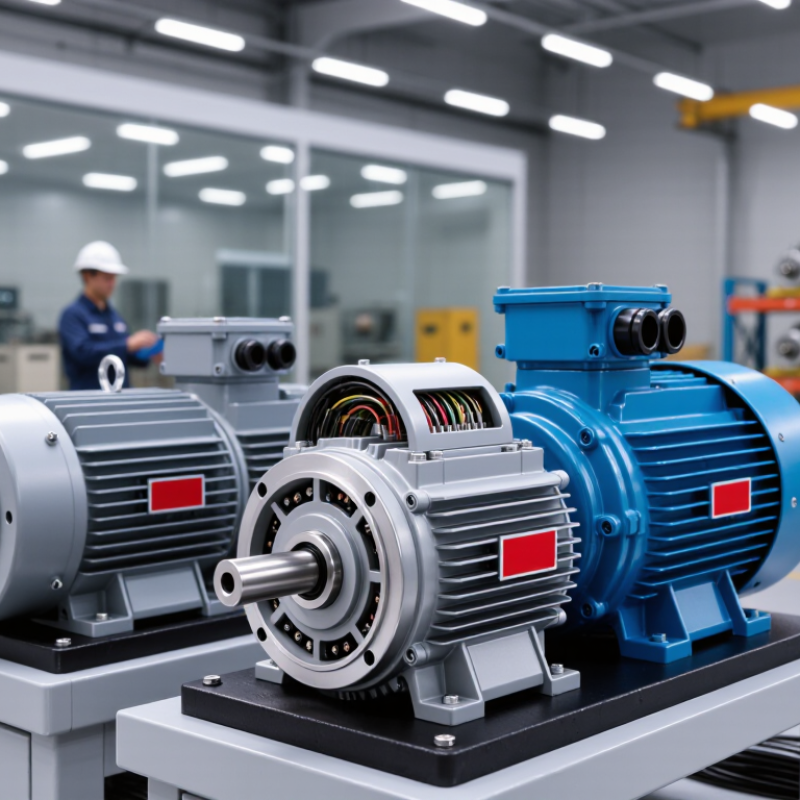
ATEX Certification Requirements for Motors in China
What Is the Best ATEX Motor Manufacturer in China?
ATEX certification is essential for motors exported from China to European hazardous areas. It confirms that ignition risks are controlled during normal operation and foreseeable faults. The legal foundation is Directive 2014/34/EU. It covers equipment for explosive gas, vapor, dust, and air mixtures. Motors are commonly assessed under Group II, with categories 1, 2, or 3, depending on zone protection.
Documentation matters as much as hardware. Manufacturers should provide an EU Declaration of Conformity, technical files, marking details, and certification from an accepted conformity assessment body. The IECEx 2023 Annual Report shows the scheme’s international scale, with certificates issued through a network spanning more than 30 participating countries. IECEx documents do not replace ATEX approval, but they can support technical confidence. That distinction is often missed.
A reliable Chinese manufacturer should explain the motor’s protection concept clearly. Look for Ex db, Ex eb, or Ex tb markings, suitable temperature classes, and tested cable entries. Ask for winding-temperature records and routine-test procedures.
MarketsandMarkets’ 2024 industrial motor research continues to identify efficiency and hazardous-area safety as major purchasing factors. Numbers alone are insufficient. A factory visit can reveal loose terminal screws, weak paint control, or incomplete traceability.
I have found that small documentation gaps create larger approval delays. The best supplier is not always the cheapest. It is the one that connects design, testing, production records, and installation conditions without vague promises.
Key Factors for Evaluating Chinese ATEX Motor Manufacturers
What Is the Best ATEX Motor Manufacturer in China?
Choosing the best ATEX motor manufacturer in China requires more than comparing prices. Start with certification scope. Ask for the EU Declaration of Conformity, EU-type examination certificate, product schedule, and protection markings. These documents should match the exact motor series, enclosure, gas or dust group, temperature class, and intended zone. Generic certificates create risk. A qualified technical team should explain whether a motor fits a Zone 1 gas area or a Zone 22 dust area. They should also clarify installation limits, cable entries, cooling methods, and ambient temperature.
Manufacturing evidence matters just as much. Review winding processes, rotor balancing, enclosure machining, and sealing control. Request test records for temperature rise, vibration, insulation resistance, locked-rotor performance, and routine production checks. Traceability should connect each motor to materials, operators, test results, and serial numbers. Factory audits can reveal practical details, such as clean assembly areas, calibrated instruments, and protected storage for finished motors. A polished website proves little.
No supplier is perfect. A realistic evaluation should examine how the manufacturer handles defects, engineering changes, spare parts, and field questions. Ask for response times and service procedures in writing. Check whether drawings, manuals, labels, and inspection reports are consistent. Independent testing can strengthen confidence when the application is critical. Price remains relevant, but unexplained discounts deserve careful questioning. One overlooked certificate detail can delay commissioning, while weak after-sales support can turn a small fault into extended downtime.
What Is the Best ATEX Motor Manufacturer in China? Key Factors for Evaluation
ATEX temperature classes specify the maximum surface temperature permitted for equipment used in hazardous gas environments. A qualified manufacturer should provide verified thermal design, certification documentation, and test evidence showing that the motor remains within the required temperature class. Lower temperature limits require stricter thermal control and testing.
Leading Chinese ATEX Motor Manufacturers and Their Specialties
Choosing the best ATEX motor manufacturer in China requires more than comparing prices or delivery times. Leading suppliers usually specialize in flameproof, increased-safety, or dust-ignition-protected motors. Their strengths may include flexible IEC frame sizes, copper windings, and adaptations for pumps, fans, conveyors, and compressors. Experienced manufacturers can match motor design to the hazardous zone, gas or dust group, temperature class, power rating, and duty cycle. A reliable factory should provide traceable test records, certificate details, technical drawings, and clear installation instructions. This matters when a motor arrives with an attractive specification but incomplete documentation.
Some Chinese manufacturers excel at high-volume standard motors. Others handle low-volume customized projects. Common specialties include marine-duty housings, variable-frequency-drive compatibility, corrosion-resistant coatings, and compact designs for restricted spaces. Strong suppliers control winding processes, rotor balancing, pressure testing, and final performance checks. However, field experience varies between factories. A polished website is not proof of engineering depth. I would not call any supplier “best” without reviewing its testing evidence, export history, and technical response quality.
Tips: Confirm that the certificate covers the exact motor model, protection concept, zone, and operating conditions. Request routine-test evidence and verify nameplate data before purchase. Check bearing temperature, insulation class, ingress protection, and VFD limits. If exporting outside the European Union, compare ATEX documents with local requirements and relevant IECEx evidence. Do not treat low price as the final measure. That assumption can become expensive.
How to Verify ATEX Motor Quality, Compliance, and Reliability
Choosing the best ATEX motor manufacturer in China requires more than comparing prices or polished websites. Verify the motor’s intended zone, gas or dust group, temperature class, and ambient limits. These details must match the hazardous area assessment. Ask for the EU-type examination certificate, declaration of conformity, technical file references, and current product marking. Check certificate numbers through the issuing notified body, not only through a sales contact. Small inconsistencies matter.
An experienced quality review examines IEC 60079 test evidence, insulation systems, flameproof joints, cable entries, bearings, and temperature-rise results. Request routine test records for the exact motor series. Confirm serial-number traceability from raw materials to final inspection. Review the IP rating and enclosure design under realistic dust or moisture exposure. A factory visit can reveal calibration labels, controlled assembly areas, and rejected-part procedures. Photos help, but they are not proof.
Reliability also depends on practical testing. Compare vibration, noise, efficiency, starting current, and overload performance with the datasheet. Run a witnessed factory acceptance test when the application is critical. Independent inspection adds useful distance. It may still miss poor long-term maintenance planning. No checklist is perfect. Question unusually clean records, vague repair procedures, or certificates covering another frame size. Ask how design changes are reviewed and communicated. A capable manufacturer provides controlled documents, measurable evidence, and traceable corrections, rather than confident promises.
Selecting the Best ATEX Motor Manufacturer for Your Application
Selecting the best ATEX motor manufacturer starts with your application, not a sales ranking. Define the hazardous area, gas or dust group, temperature class, power rating, duty cycle, and ambient temperature. A motor for a dusty grain conveyor may need different protection from one used near solvent vapors. Small details matter.
Look for a manufacturer with proven hazardous-area experience and current conformity documentation. Request certificates, technical drawings, test records, and a clear marking plate example. Check whether the stated protection matches your zone classification and equipment requirements. Ask how the factory controls winding quality, enclosure sealing, rotor balance, and final testing. Traceable serial numbers are valuable when maintenance teams inspect equipment years later.
Do not choose by price alone. Spare-part access, engineering support, delivery consistency, and after-sales response can affect the real operating cost. A factory visit or independent inspection may reveal more than a polished brochure. In practice, specifications are sometimes incomplete, and buyers can miss starting torque or cable-entry details. That mistake is avoidable. Compare suppliers using the same checklist, and ask technical questions before requesting a quotation. The best manufacturer is the one that can explain its decisions clearly, provide reliable evidence, and adapt the motor to your actual working conditions. Enclosure protection, bearing selection, vibration limits, and installation guidance deserve equal attention. No supplier is perfect, so verify every critical claim.
FAQS
It confirms that ignition risks are controlled during normal operation and foreseeable faults.
Request an EU Declaration of Conformity, technical files, marking details, and an accepted conformity certificate.
Match the motor’s category, protection concept, gas or dust group, and temperature class.
Common markings include Ex db, Ex eb, and Ex tb.
Ask for winding records, rotor-balancing results, insulation tests, vibration data, and temperature-rise records.
No. An international certificate may support technical confidence, but it does not replace ATEX approval.
Inspect assembly areas, calibrated instruments, storage conditions, sealing control, and enclosure machining.
Not necessarily. Compare certification scope, testing evidence, traceability, service procedures, and response times.
Conclusion
Choosing the best Atex Motor manufacturer in China requires more than comparing prices or production capacity. Buyers should first confirm that the manufacturer understands ATEX certification requirements, including equipment group, category, gas or dust protection level, temperature class, and applicable operating environment. A reliable supplier should provide clear technical documentation, traceable testing records, consistent quality control, and products designed for safe use in potentially explosive atmospheres.
When evaluating Chinese manufacturers, consider their engineering expertise, customization capabilities, manufacturing facilities, inspection procedures, delivery performance, and after-sales support. It is also important to verify certification authenticity, review test reports, inspect sample products, and assess long-term reliability through communication and application-specific testing. The best choice will be a manufacturer that can match motor specifications to your voltage, power, speed, load, enclosure, cooling method, and installation conditions while maintaining stable performance and compliance. By using a structured evaluation process, buyers can select an Atex Motor partner that offers safety, durability, technical support, and dependable value for their specific application.

 NANFANG