2026 Best Ex Induction Motors for Global Buyers?

Time:2026-11-01 Author:Amelia
0%

Choosing the right Ex Induction Motors in 2026 means looking beyond price and nameplate efficiency. Buyers must match the motor’s protection method, temperature class, output, and enclosure to the actual operating environment. A motor suited to a dusty grain-handling area may not suit a gas-processing site. Small mismatches matter.

The International Energy Agency has reported that electric motor-driven systems account for roughly 45% of global electricity consumption. This widely cited estimate comes from the IEA’s 2011 publication, Energy-Efficiency Policy Opportunities for Electric Motor-Driven Systems, so it is useful context—not a current market forecast. It underscores why efficiency deserves close attention, especially where motors run continuously. Yet a high efficiency rating alone does not establish suitability for hazardous-area service.

For a practical 2026 shortlist, buyers should compare certified protection details, efficiency, supply frequency, starting method, service access, and documented testing. IEC 60079 provides standards for equipment used in explosive atmospheres, while IEC 60034 covers rotating electrical machines. Confirm the specific product’s certification and marking with the manufacturer and an appropriately qualified reviewer. Details vary by model and intended installation.

There is no universal winner. A 75 kW motor running a conveyor for long shifts has different priorities from a smaller pump motor with frequent starts. One uncomfortable point: published specifications can look complete while leaving maintenance support or lead times unclear. Ask for evidence. Then compare suppliers on the conditions your site actually faces, not a polished brochure alone.
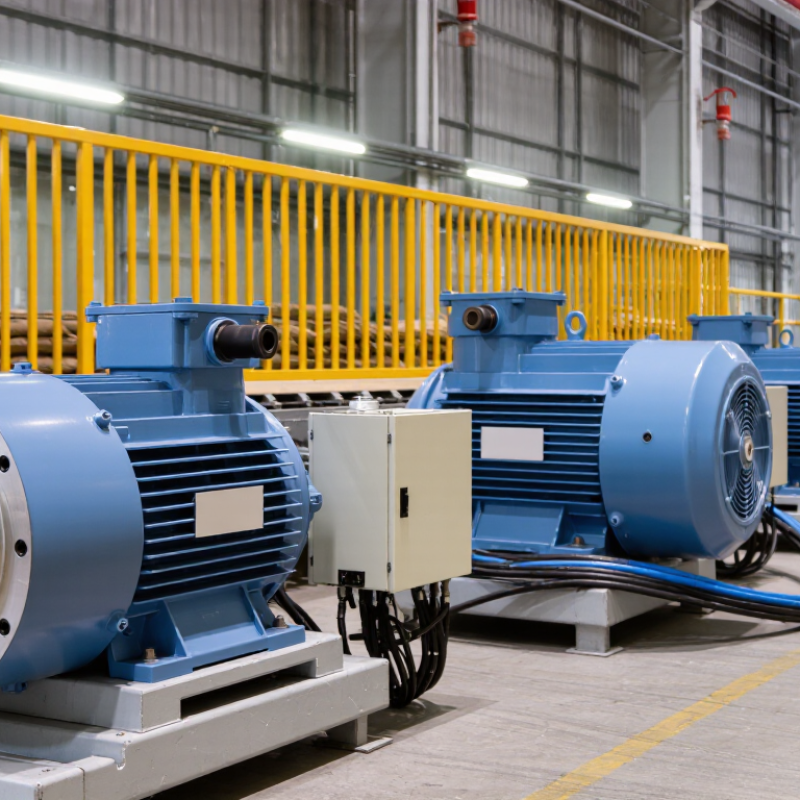
2026 Best Ex Induction Motors for Global Buyers?

Understanding Ex Induction Motors and Hazardous-Area Classifications

An Ex induction motor is an induction motor designed for use where flammable gas, vapor, or dust may be present. “Ex” does not mean one universal protection level. Under the IEC 60079 framework, gas areas are classified as Zones 0, 1, and 2, based on how often an explosive atmosphere may occur. Dust areas use Zones 20, 21, and 22. The zone matters: a motor suitable for Zone 2 is not automatically suitable for Zone 1.

Protection methods also differ. A flameproof enclosure is designed to contain an internal ignition, while increased-safety designs reduce the chance of sparks or excessive temperatures during normal operation. Buyers should check the complete marking, including gas or dust group, temperature class, ambient range, and required zone. A nameplate can look reassuring. It still needs careful interpretation. The motor’s surface temperature must remain below the ignition temperature of the surrounding material.

The scale of motor use makes careful selection important. The International Energy Agency’s 2011 report, Energy-Efficiency Policy Opportunities for Electric Motor-Driven Systems, estimates that motor-driven systems use 43–46% of global electricity. That figure covers many applications, not only hazardous areas, but it underlines the value of matching motor performance to the real duty. Site conditions can complicate the choice: dust buildup, frequent starts, or a hot enclosure may change operating temperatures. A classification sheet alone cannot describe every installation detail.

Global Standards and Certifications for Explosion-Proof Motors

Explosion-proof motor selection is a documentation exercise as much as a mechanical one. The equipment label must match the site’s gas or dust group, zone, temperature class, and ambient range. IEC 60079-0 covers general requirements; IEC 60079-1 addresses flameproof enclosures, while IEC 60079-31 covers dust ignition protection. Details matter.

IECEx certification supports international conformity assessment, while ATEX requirements apply to equipment placed on the EU market. Acceptance varies by destination, so confirm local requirements before shipment. Check the certificate scope, Ex marking, equipment protection level, temperature limit, and any special “X” conditions. A motor approved for gas may not suit conductive dust. Not interchangeable. The IEA’s 2011 report, Energy-Efficiency Policy Opportunities for Electric Motor-Driven Systems, estimates motor-driven systems use about 45% of global electricity. Efficiency matters, but it cannot compensate for a mismatched hazardous-area rating.

Tips: Request the full certificate and installation instructions. Compare the nameplate with the site classification and inverter requirements. Photograph the nameplate before installation. One overlooked suffix can matter.

2026 Best Ex Induction Motors for Global Buyers? - Global Standards and Certifications for Explosion-Proof Motors

Market or certification system Applicable standards or regulatory framework Typical hazardous-area classification Example marking or certification information What buyers should verify
IECEx
International certification scheme
IEC 60079 series. Common references include IEC 60079-0 for general requirements, IEC 60079-1 for flameproof enclosures, and IEC 60079-7 for increased safety. Zones are used for gas and dust atmospheres. The required equipment protection level depends on the zone and installation conditions. Example format: Ex db IIB T4 Gb. The marking identifies the protection concept, gas group, temperature class, and equipment protection level. Check the IECEx Certificate of Conformity, equipment schedule, special conditions of use, gas or dust group, ambient-temperature range, and permitted protection concept.
European Union (ATEX) Directive 2014/34/EU for equipment and protective systems intended for use in potentially explosive atmospheres; relevant harmonized EN IEC 60079 standards may apply. For gas, Category 2G is generally associated with Zone 1 and Category 3G with Zone 2. For dust, Category 2D is generally associated with Zone 21 and Category 3D with Zone 22. Category 1 equipment is intended for the highest protection level. Example equipment marking may include II 2G and an Ex marking such as Ex db IIB T4 Gb. The exact marking depends on the certified design and intended atmosphere. Confirm the ATEX category matches the site zone, review the EU Declaration of Conformity and certificate where required, and check the notified-body information and complete marking.
Great Britain (UKEX) The Equipment and Protective Systems Intended for Use in Potentially Explosive Atmospheres Regulations 2016 (SI 2016/1107), as amended, and applicable designated standards. Zone-based selection is commonly used, with equipment suitability assessed against the gas or dust hazard and required protection level. Product marking and conformity route depend on the applicable Great Britain rules and accepted assessment route; UKCA or an accepted CE route may be relevant. Check current UK requirements, the applicable conformity-assessment documentation, marking, certificate scope, and whether the assessment route is accepted for the destination market.
United States and Canada United States: NFPA 70 (National Electrical Code), including Articles 500–506, together with applicable product standards such as UL 674. Canada: Canadian Electrical Code, including Section 18, and applicable Canadian product standards such as CSA C22.2 No. 145. North American systems use Class, Division, and Group designations; Zone classifications are also used in applicable installations. The classification and installation method must match local electrical codes. Example classification format: Class I, Division 1, Groups C and D. Product labels may also identify a temperature code, such as T4. Verify acceptance by the authority having jurisdiction, the exact Class/Division or Zone classification, gas group, temperature code, voltage, and the certification mark and certificate scope.
China GB/T 3836 series for equipment used in explosive atmospheres. China Compulsory Certification (CCC) requirements may apply to products within the applicable compulsory certification catalog. GB/T 3836 uses explosion-protection concepts and hazardous-area classifications aligned with the relevant product and installation requirements. Marking commonly includes an Ex protection code and equipment parameters. Applicable CCC marking and documentation depend on product scope and current regulations. Confirm the applicable GB standards, Chinese-language documentation requirements, current CCC scope, certificate validity, and acceptance by the project or local authority.
Brazil Applicable Brazilian technical regulations and INMETRO conformity-assessment requirements for equipment intended for explosive atmospheres; technical requirements commonly reference the relevant ABNT NBR IEC 60079 standards. Selection is based on the classified hazardous area, atmosphere type, protection level, and equipment certification scope. Certification and product marking must follow the applicable Brazilian conformity-assessment route and current regulations. Check that the certificate is valid for Brazil, covers the exact motor model and configuration, and meets the current INMETRO requirements for the intended application.

Buyer note: “Explosion-proof” is not a single worldwide certification. Confirm the site classification, hazardous substance, ambient temperature, motor operating conditions, local electrical code, and the certificate’s exact model scope before purchase. Marking examples are illustrative only and do not establish suitability for a specific installation.

Key Performance Factors for Comparing Ex Induction Motors

For global buyers, comparing Ex induction motors means looking beyond rated power. Match the motor’s protection marking to the site’s classified environment, including the applicable gas or dust group and temperature class. Requirements and accepted certification can vary by destination, so confirm them with the project’s qualified safety team. Do not guess. A mismatch can make an otherwise capable motor unsuitable.

Compare efficiency at the expected load, not only at full output. Check starting torque, acceleration time, starts per hour, duty cycle, and voltage variation against the driven equipment. For example, a loaded conveyor may need different starting performance from a fan. Also review enclosure protection, cooling method, insulation system, bearing arrangement, and ambient temperature limits. In practice, rated power often gets too much attention; I would still verify operating data before choosing.

Tips: Request the complete nameplate and test documentation, then compare models under the same voltage, frequency, and duty assumptions. Ask how maintenance access, spare parts, and service support work at the installation site. A higher efficiency figure may look decisive, but installation conditions can change the real result. Check the details twice.

Leading Ex Motor Types for Different Industrial Applications

Ex induction motors should be selected by hazard type and duty, not by enclosure alone. Flameproof Ex db motors contain an internal ignition and suit gas-risk areas such as pump rooms and compressor stations. Increased-safety Ex eb designs reduce ignition risks and are often used for continuously running equipment where operating conditions are controlled. For combustible-dust environments, Ex tb motors protect against dust ingress and hot surfaces around conveyors or grain-processing equipment. Zone, gas or dust group, temperature class, and starting load still matter.

The International Energy Agency’s 2011 report, Energy-Efficiency Policy Opportunities for Electric Motor-Driven Systems, estimates that motor-driven systems consume 43–46% of global electricity. That makes efficiency a serious selection factor, alongside hazardous-area protection. Check the motor’s duty cycle, cooling method, and variable-speed-drive compatibility against the process. A heavier enclosure may improve protection but add weight and affect cooling. Selection is not always tidy.

Tips: Match the motor’s certified protection level to the site classification, then verify temperature limits and load requirements. IEC 60079 provides the relevant equipment framework; confirm details with a qualified hazardous-area engineer. A label alone is not a full assessment.

How Global Buyers Can Select and Source the Right Motor

For explosion-protected induction motors, start with the installation—not the catalog. Identify the hazardous-area classification, gas or dust group, temperature class, ambient range, and required protection level. Then confirm the motor’s output, speed, starting method, duty cycle, voltage, and frequency. A pump operating continuously in a hot, humid plant may need different cooling and enclosure choices than a conveyor with frequent starts. Small details matter.

The International Energy Agency’s 2011 report, Energy-Efficiency Policy Opportunities for Electric Motor-Driven Systems, estimates these systems use about 53% of global electricity. That figure underlines why efficiency deserves attention alongside purchase price. Compare rated efficiency, expected operating hours, load profile, and maintenance access. Ask suppliers for certified nameplate data, test documentation, dimensional drawings, and clear confirmation that the proposed protection matches the site conditions. One detail is easy to miss: a motor’s certification does not automatically verify the complete driven assembly.

For global sourcing, send every bidder the same technical schedule and destination requirements. Request written confirmation of the applicable certification scheme, voltage and frequency compatibility, delivery terms, spare-parts availability, and warranty coverage. Check that documents match the exact model and configuration being quoted. Ask how long replacement bearings or seals typically take to ship. A low quote can look attractive. Still, unclear paperwork or long lead times can disrupt commissioning, and I would not treat either as a minor issue.

FAQS

What information should I match to the motor’s nameplate?

Match the site zone, gas or dust group, temperature class, and ambient range. Check the protection level and any special certificate conditions. Small suffixes matter.

How do different explosion-protection designs suit different applications?

Flameproof designs can suit gas-risk pump rooms or compressor stations. Increased-safety designs are often used for controlled, continuous operation. Dust-protected designs can suit conveyors or grain-processing equipment. They are not interchangeable.

Which documents should I request before installation?

Request the full certificate, installation instructions, nameplate data, test documents, and dimensional drawings. Confirm the certificate covers the exact model and configuration. A label alone is not enough.

Do international certifications guarantee acceptance everywhere?

No. IECEx supports international conformity assessment, while ATEX requirements apply to equipment placed on the EU market. Acceptance varies by destination, so confirm local requirements before shipment.

How should I compare motor efficiency?

Compare rated efficiency, operating hours, load profile, and maintenance access. Efficiency matters, but it cannot correct a mismatched hazardous-area rating. The paperwork can feel fussy. It matters.

What should I check for a variable-speed drive?

Confirm voltage, frequency, drive compatibility, cooling method, duty cycle, and starting load. Frequent starts or a hot, humid plant may change the selection. Easy to overlook.

Does motor certification cover the complete driven assembly?

Not automatically. The motor’s certification does not verify the full pump, conveyor, or installed assembly. Have the complete setup assessed by a qualified hazardous-area engineer.

What should I include when requesting supplier quotes?

Send every bidder the same technical schedule and destination requirements. Request written confirmation of compatibility, delivery terms, spare-parts availability, and warranty coverage. Ask how long replacement bearings or seals may take. I would not treat unclear paperwork as a minor issue.

Conclusion

Ex Induction Motors are designed to operate in areas where flammable gases, vapors, or combustible dust may be present. Choosing the right motor starts with understanding the site’s hazardous-area classification, operating conditions, and protection requirements. Buyers should also consider the standards and certification systems relevant to the destination market, since requirements can vary by region and application.

When comparing options, evaluate power and speed, efficiency, temperature limits, enclosure protection, insulation, starting behavior, and maintenance needs. Different motor designs may suit processes such as pumping, ventilation, material handling, or continuous-duty production. Global buyers can make a more informed selection by matching motor specifications to the equipment and site conditions, confirming documentation and certification, and assessing supplier support, delivery, and long-term serviceability.


Amelia

Amelia

Amelia is a seasoned marketing professional with a wealth of expertise in our company’s core offerings. With an unwavering passion for driving growth and innovation, she plays a pivotal role in shaping our marketing strategies and enhancing brand visibility. A key aspect of her responsibilities......