When selecting the right Explosion Proof Motor, the stakes are high. These motors are designed for hazardous environments, ensuring safety and reliability. An incorrect choice can lead to serious risks, including increased downtime and safety hazards.
Understanding your specific needs is essential. Consider factors like environment, load requirements, and safety standards. Each application presents unique challenges. Engaging with industry experts can provide valuable insights. They often share experiences that highlight common pitfalls in selecting explosion-proof equipment.
Becoming aware of potential oversights is crucial. Failure to address details like proper certifications can compromise safety. The right Explosion Proof Motor delivers more than just functionality. It must align with industry regulations while providing durability in demanding conditions. Reflecting on these aspects can significantly impact long-term success in hazardous operations.
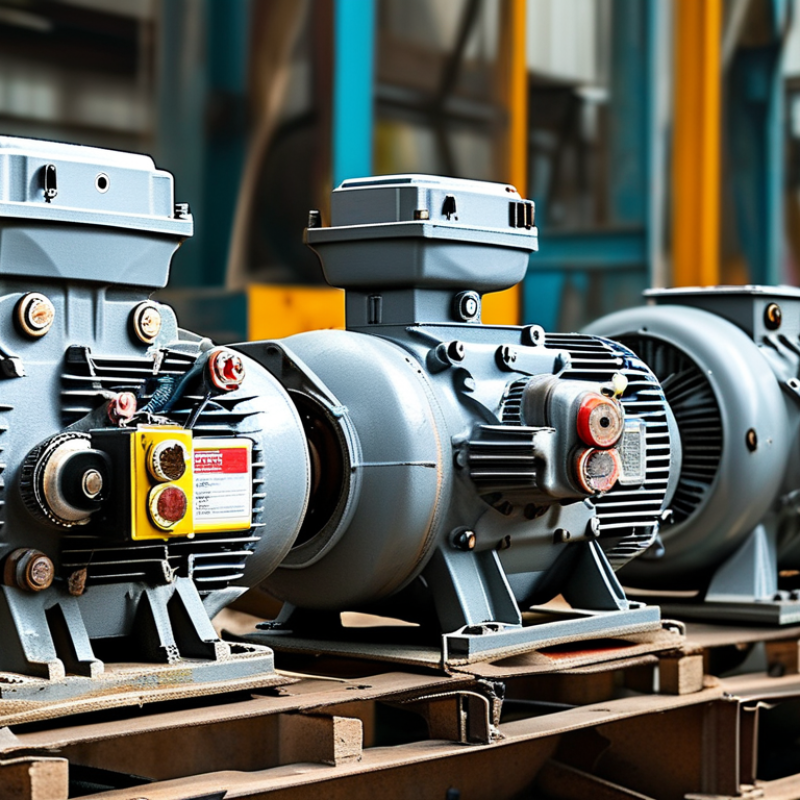
Understanding Explosion Proof Motors: Definition and Functionality
Explosion proof motors are essential in hazardous environments. These specialized motors are designed to operate safely where flammable vapors, gases, or dust are present. According to a report by MarketsandMarkets, the explosion-proof motor market is projected to reach $5.4 billion by 2026, growing at a CAGR of 6.4%. This indicates a rising need for such equipment in industries like oil and gas, mining, and chemicals.
The functionality of explosion-proof motors centers on their robust design. They contain ignition sources within an enclosure that resists explosive pressures. Understanding this principle is crucial. Reckless choice of equipment can lead to safety risks. An explosion-proof motor must be compatible with specific applications to ensure safety and efficiency.
Tip: Always check for certification standards before selecting a motor. This ensures reliability. Additionally, consider the environment where the motor will operate. Different zones require different protection levels. For instance, Zone 1 areas require higher protection than Zone 2. Poor matching can lead to operational failures and safety hazards. Regular maintenance is also vital to keep motors functioning properly, reducing the risk of failure.
Key Industries Requiring Explosion Proof Motors: An Overview
In various industries, explosion proof motors are essential for ensuring safety in hazardous environments. Industries such as oil and gas, chemical manufacturing, and mining frequently require these specialized motors. According to data from the National Fire Protection Association, nearly 15,000 fires and explosions occur each year in the U.S. due to flammable materials. This statistic emphasizes the need for robust safety measures, including properly selected motors.
The oil and gas industry, for example, often encounters explosive gases and vapors. The US Bureau of Labor Statistics reported that nearly 1,000 injuries related to these hazards occur annually. Chemical manufacturing facilities face similar risks. These settings demand motors that meet stringent safety regulations, such as those outlined in the National Electrical Code.
Tip: When choosing a motor, consider the specific environmental conditions, such as temperature and humidity levels, to ensure compliance with safety standards.
Mining operations also present significant risks. Dust and flammable materials commonly found underground heighten the potential for explosions. Moreover, the reality of constant exposure to challenging conditions can lead to equipment wear and improper functioning.
Tip: Regular maintenance and inspection of explosion proof motors can prevent unexpected failures. Ensure your team is trained to recognize signs of wear.
Factors to Consider When Selecting Explosion Proof Motors
When selecting an explosion-proof motor, there are crucial factors to consider. Understanding the environment where the motor will operate is essential. Factors like temperature, humidity, and the presence of hazardous gases must be evaluated. This ensures the motor's safety and reliability. The motor's design should align with industry standards for explosion-proof applications.
Another key factor is the motor's power requirements. Determine the necessary horsepower and voltage rating to ensure optimal performance. It's also vital to assess the motor's efficiency ratings. High-efficiency motors may reduce energy costs and enhance overall performance. However, balancing cost and efficiency is often a complex decision.
Lastly, the installation process cannot be overlooked. Consider whether you have the expertise for installation or if professional help is needed. Improper installation can lead to potential safety hazards. Reflect on past experiences where oversight during installation caused issues. These considerations are integral to choosing the right motor for your needs.
How to Choose the Right Explosion Proof Motor for Your Needs?
| Factor |
Description |
Importance Rating (1-5) |
| Hazardous Area Classification |
Understand the specific classification to ensure safety compliance. |
5 |
| Motor Type |
Choose between AC or DC depending on your application requirements. |
4 |
| Power Rating |
Select a motor with suitable horsepower for your equipment. |
5 |
| Environmental Conditions |
Assess temperature and humidity that the motor will be exposed to. |
4 |
| Mounting Configuration |
Determine if you need vertical or horizontal mounting based on your setup. |
3 |
| Certifications and Compliance |
Check if the motor meets international standards for safety and performance. |
5 |
Performance Standards and Certifications for Explosion Proof Motors
When selecting an explosion-proof motor, understanding performance standards and certifications is crucial. Various organizations establish these guidelines to ensure safety in hazardous environments. The NATIONAL ELECTRICAL MANUFACTURERS ASSOCIATION (NEMA) and the INTERNATIONAL ELECTROTECHNICAL COMMISSION (IEC) define performance criteria for these motors. Motors must meet specific classifications such as Class I and Class II, based on the type of explosive materials present. These classifications help in identifying suitable applications for different industries.
Certifications play a significant role in validating a motor's safety. Common certifications include UL, ATEX, and IECEx. UL certification, for instance, signifies compliance with North American safety standards. It is important to note that not all motors carry the same certifications. This can affect their usability across different regions and industries. Additionally, failures in these certifications can lead to severe safety risks, making thorough vetting necessary.
In selecting the right motor, consider the operational environment. Factors like temperature, pressure, and material types influence performance. Data from industry reports reveals that improper selection can increase the risk of accidents. A study indicated that around 30% of explosion-related incidents are tied to equipment failures. Understanding these nuances is essential for informed decision-making. Overall, awareness of performance standards and certifications enhances reliability, yet it requires diligence and consistent evaluation.
Cost Analysis: Budgeting for Explosion Proof Motor Purchases
When budgeting for explosion proof motors, the first step is to assess your specific needs. Consider the environment where the motor will operate. Hazardous areas require motors with specific ratings. These ratings impact both safety and cost. Some environments may need highly specialized motors, driving the price upward.
Next, don't overlook hidden costs. Installation and maintenance can significantly affect your budget. Training staff to operate these motors safely adds another layer of expense. Factor in these elements when pricing your options. It's crucial to find a balance between quality and affordability. Sometimes, investing in a reliable motor pays off in the long run.
Lastly, always account for potential future needs. Expansion or new projects may require additional motors. Ensure your budget allows for flexibility. It's common to overlook this aspect when preparing a budget. A comprehensive approach helps align your purchasing decisions with evolving operations.
Cost Analysis of Explosion Proof Motors
This bar chart represents the average costs of explosion proof motors based on different power ratings. As the horsepower increases, the cost tends to rise significantly, highlighting the need for careful budgeting when selecting the appropriate motor for specific applications.
FAQS
: Explosion-proof motors are designed for safety in hazardous environments with flammable vapors, gases, or dust.
Certification ensures reliability and safety in specific applications, reducing the chance of failures.
Consider the environment, including temperature, humidity, and hazardous gas presence before choosing a motor.
Determine the necessary horsepower and voltage ratings for optimal performance and efficiency.
Installation, maintenance, and staff training can significantly impact your overall budget for explosion-proof motors.
Improper installation can lead to safety hazards, so professional help may be necessary.
Regular maintenance keeps motors functioning and reduces the risk of operational failures.
Future expansion may require more motors, so flexibility in the budget is essential.
High-efficiency ratings reduce energy costs and improve performance, but balancing cost is often challenging.
Reckless choices can lead to safety risks and operational failures, requiring careful consideration.
Conclusion
When selecting the right Explosion Proof Motor for various applications, it is essential to understand its definition and functionalities. Explosion Proof Motors are designed to operate safely in hazardous environments where flammable gases or dust could ignite. Key industries, such as petrochemicals, mining, and pharmaceuticals, often require these specialized motors to ensure safety and compliance with regulations.
In choosing the appropriate Explosion Proof Motor, several factors must be considered, including the specific operating conditions, performance standards, and relevant certifications. Additionally, a thorough cost analysis is vital for budgeting, as these motors often entail higher initial investments due to their robust design and safety features. By carefully evaluating these elements, users can ensure they select an Explosion Proof Motor that meets their operational needs while maintaining safety and efficiency.

 NANFANG