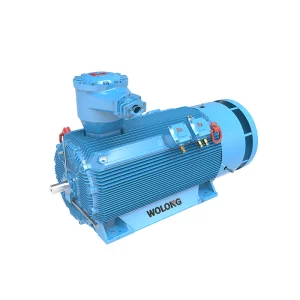
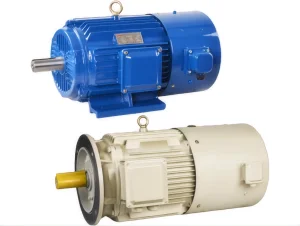
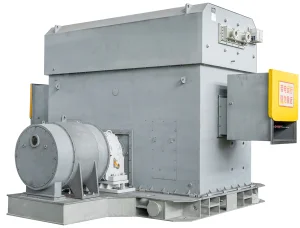
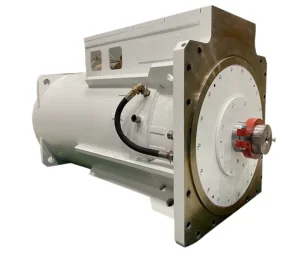
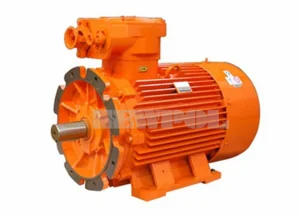
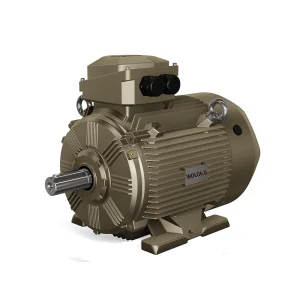
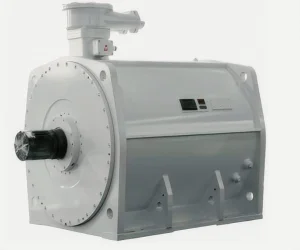
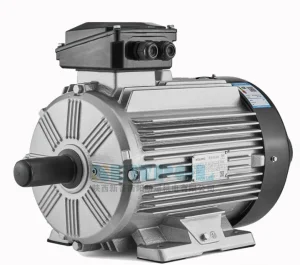
Explore our premium segment of high-voltage and low-voltage electric motor solutions certified for explosion-proof safety, marine engineering, and heavy processing operations.
Why reliability, advanced thermodynamic engineering, and rigorous multi-agency certifications define the future of hazardous operations.
Explosion-proof electric motors represent the last line of defense in modern industrial complexes where combustible gases, volatile vapors, or flammable dust clouds are present. Under the stringent regulations of global hazardous zoning standards—including the European Union's ATEX Directives and the IECEx International Certification Scheme—equipment intended for Zone 1, Zone 2, Zone 21, or Zone 22 must prevent any internal ignition or thermal event from propagating outward to cause a catastrophic accident.
As a specialized OEM manufacturer and supplier, Shaanxi Nanfang Motor Technology Co., Ltd. along with Wolong Electric Drive Group provide critical motor architectures configured to withstand severe operational dynamics. The requirement of international petrochemical, LNG refining, and deep coal mining enterprises goes beyond mere mechanical power. They demand dynamic efficiency, structural redundancy, and precise compatibility with variable frequency systems (VFDs) that regulate high-power processing machines safely.
The industrial motor segment is undergoing a technological transition driven by global decarbonization mandates and energy conservation targets. Modern regulatory environments require industrial motors to align with IEC 60034-30-1 efficiency classes (IE3 Premium, IE4 Super Premium, and IE5 Ultra Premium) while maintaining high-grade explosion-proof enclosure parameters.
A unified global network of engineering hubs, advanced factories, and specialized industrial heritage brands.
Authorized Distributor of Wolong Electric Drive Group Co., Ltd.
Shaanxi Nanfang Motor Technology Co., Ltd. is the authorized distribution engine for Wolong. Wolong Electric Drive Group Co., Ltd., founded in 1984 and listed on the Shanghai Stock Exchange in 2002 (code SH600580), has grown to become a global leader in motor design and control systems. Through a sustained brand integration strategy, Wolong operates 3 R&D centers, 39 advanced manufacturing facilities, and 3 global core production bases.
By acquiring several historically significant and specialized European and American electric motor brands, Wolong has assembled a deep patent and manufacturing portfolio capable of meeting localized requirements in oil, chemical, marine, and mining applications worldwide.
Combining over a century of European, American, and Asian engineering expertise to deliver robust industrial drive solutions.
Acquired in 2011 (97.94%), ATB is one of Europe's premier industrial motor brands. It integrates the historic Morley Mining Motors and Laurence Scott brands, extending Wolong's reach in customized, high-specification electric machines.
With a legacy spanning nearly 130 years, Morley is a leading brand in heavy-duty underground coal mining motors. Known for building high-integrity flameproof enclosures that withstand extreme mechanical impacts.
Pioneering low-starting-current motor designs, Laurence Scott has supplied safety-critical drive systems to nuclear power stations and marine generators for navy vessels, earning the Queen's Award for three consecutive years.
A pioneer in high-efficiency induction motors, Brook Crompton developed the premium W and 10 series motors. They specialize in variable-speed packages designed to lower carbon emissions in hazardous environments.
Established in 1882, Schorch produces custom, heavy-duty drive systems for the global oil, gas, chemical, and marine processing industries. They specialize in high-voltage variable frequency applications.
OLI is a global brand in vibration motor and sensor systems, partnering with Wolong in China since 1999. In 2015, CNE (Nanyang Explosion-proof Group)—China's largest Ex-proof research and manufacturing base—joined the group.
Joining the Wolong family in 2018, GE Industrial Motors brought decades of manufacturing experience. They support heavy industries including materials handling, refining, metal processing, and municipal wastewater treatment.
A technical look at the materials, precision processes, and simulation systems used to build reliable explosion-proof motors.
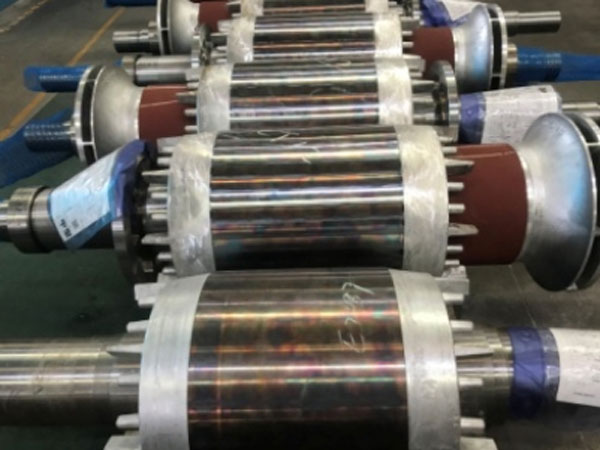
The rotor features a squirrel cage design. Cast aluminum rotors are produced using centrifugal casting or high-pressure die-casting, where molten pure aluminum is poured directly into the slots of the laminated rotor core. This forms a single-piece construction integrating the rotor bars and end rings, providing structural integrity and high starting torque.
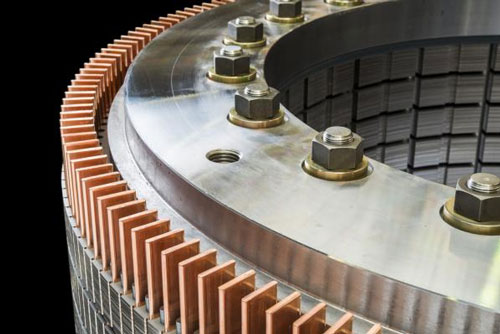
For larger capacities and heavy-duty applications, copper bar rotors are used. These benefit from secure bar fastening and end-ring welding procedures. A protective ring design is also applied to high-speed motors to prevent deformation under centrifugal stress.
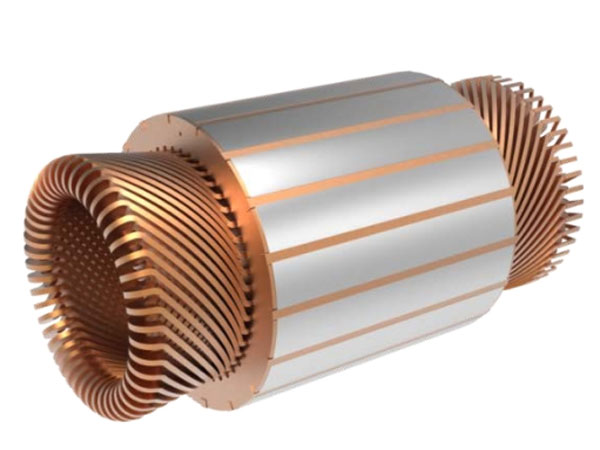
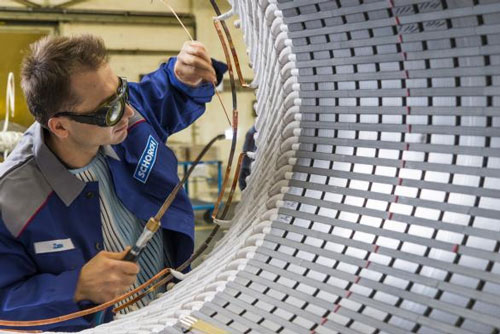
The stator coil is insulated with high-grade materials, including polyester film reinforced with glass cloth and high-mica-content tape (low-powder or medium-powder mica tape). This insulation configuration is processed using Vacuum Pressure Impregnation (VPI).
In the VPI process, the wound stator assembly undergoes a vacuum cycle to extract moisture and air pocket voids. Solventless epoxy resin is then introduced under high pressure, curing into a solid structure. This system provides high dielectric strength, moisture resistance, mechanical rigidity, and thermal stability in extreme industrial conditions.
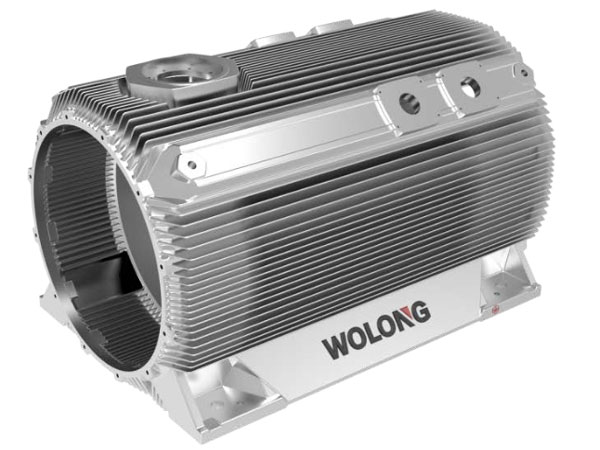
The motor frame is designed using digital multi-physics simulation software. This platform models mechanical stress and thermal fluid dynamics to optimize heat dissipation and prevent hot-spot ignition in hazardous zones.
Manufactured from high-strength cast iron (or fabricated steel for custom packages), the frame features structural reinforcement to withstand internal explosion pressures without deformation. It is engineered with high safety margins, isolating structural frequencies to maintain low vibration levels and extend bearing life.
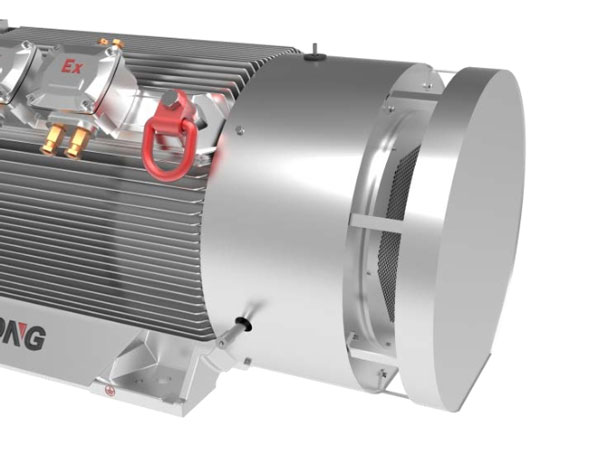
The fan cover system comprises a lightweight cover body, air guide cylinder, protective window, and silencer plate. This layout helps reduce vibration and streamline airflow over the frame cooling fins.
A side-mounted air inlet helps avoid obstructions behind the motor frame, minimizing intake turbulence and aerodynamic noise. Sound-absorbing lining materials are integrated into the interior to lower overall operating noise. The system is rated IP22, preventing accidental contact with the rotating fan blades.
A visual walk-through of our industrial assembly, robotic machining centers, and heavy-duty load testing floors.
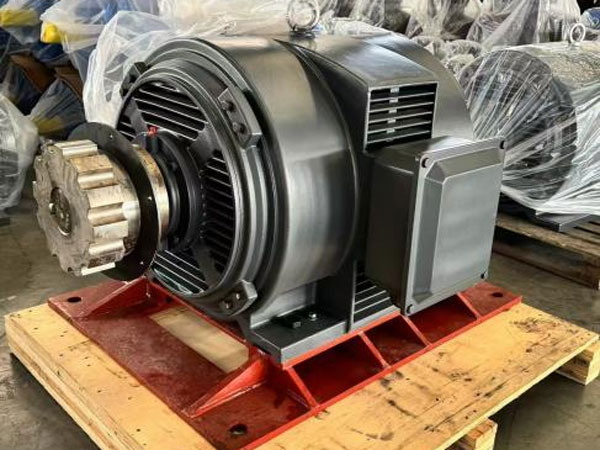
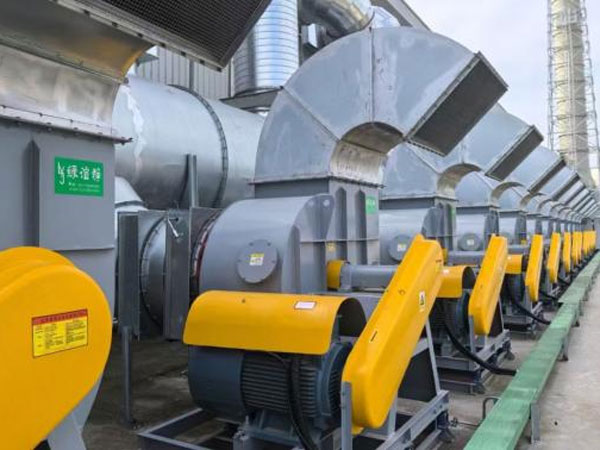
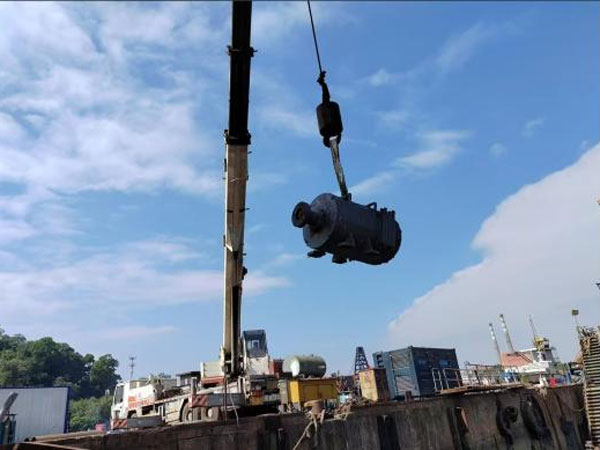
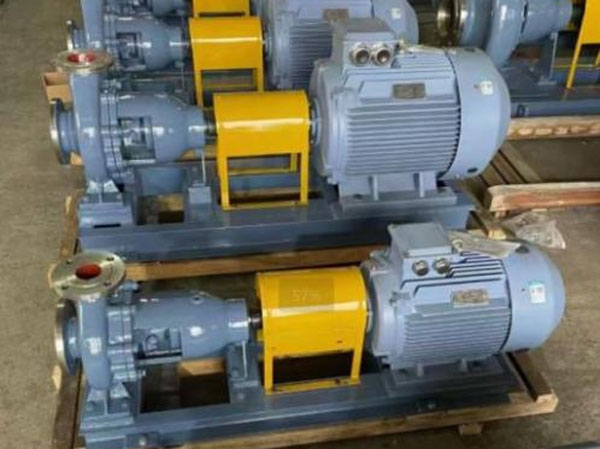
Our motors are tested and approved under major international safety standards, facilitating smooth project execution and regulatory compliance.
Nemko / ATEX
CSA Certified
CE Standard
CCC Ex-Proof
SABS South Africa
TESTSAFE Standard
Wolong has secured a wide range of product certifications to support international trade and compliance across its global distribution channels:
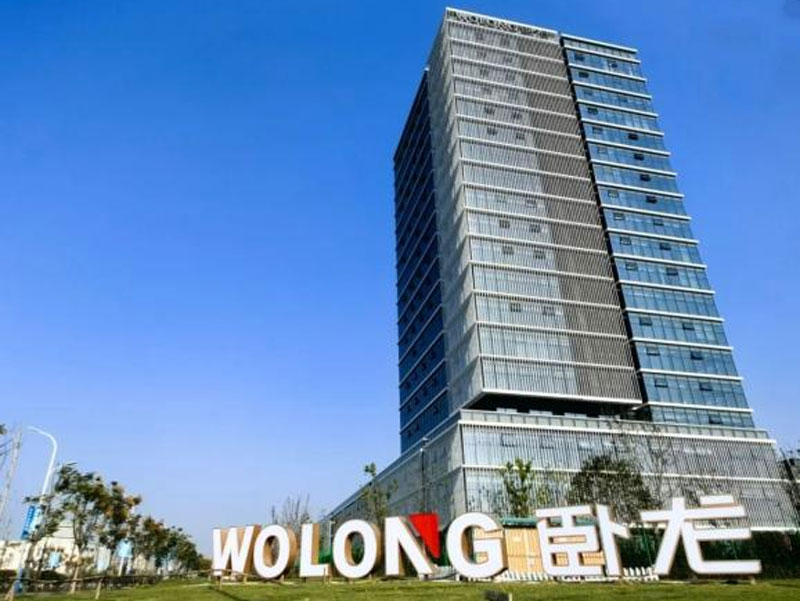

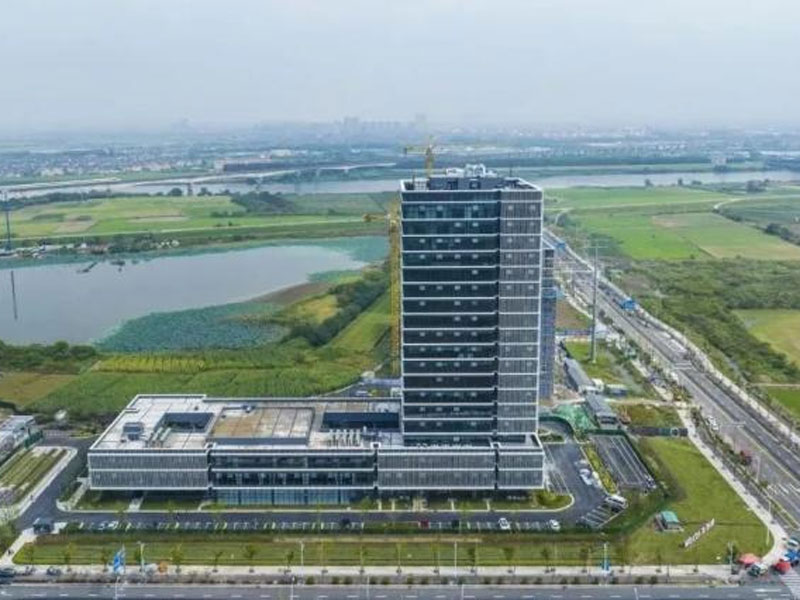
How Wolong's advanced production capacity, integrated supply chains, and localized support yield competitive advantages for international B2B buyers.
Our domestic facilities benefit from close proximity to local suppliers of copper laminations, high-grade silicon steel sheet rolls, and specialized casting foundries. This proximity simplifies logistics, shortens lead times, and reduces production bottlenecks.
Utilizing high-speed automatic winding systems, dynamic rotor balancing machines, and multi-station CNC machining centers. Automation ensures high geometric precision in flameproof joints and shaft tolerances, reducing variations between batches.
We provide OEM and ODM services that tailor shaft extensions, flange sizes, paint systems, and terminal box configurations to meet customer specifications. These modifications are executed efficiently within our automated production workflow.
Modern engineering procurement firms (EPCs) require suppliers that offer high manufacturing capacity, reliable quality assurance, and comprehensive technical support. Wolong addresses these needs by supplying:
The hazardous area drive market is adopting smart technologies and high-efficiency permanent magnet synchronous motor (PMSM) designs. We are investing in R&D to support these trends:
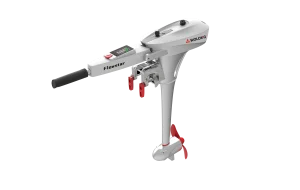
Explore our second catalog segment, featuring positive pressure enclosures, mine-duty drives, high-efficiency low-voltage models, and custom electric outboards.
A legacy of technical development, international cooperation, and high-efficiency motor manufacturing.
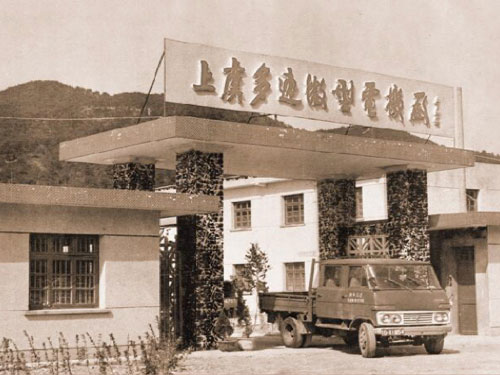
Beginning as a regional manufacturer, Wolong expanded its operations to support global markets. The group invested in upgrading its facilities, adopting advanced manufacturing technologies, and developing a line of highly efficient AC motors and industrial drive systems.
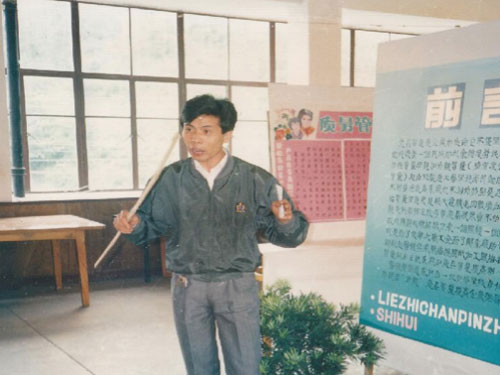
In 2011, Wolong acquired the Austrian ATB Group, integrating European motor manufacturing technologies and expanding its presence in the international industrial drive market. This acquisition brought specialized brands like Morley and Laurence Scott into the group, supporting custom engineering projects globally.

An engineering guide to choosing, certifying, and maintaining electric motors in hazardous locations.
Flameproof (Ex d): This protection concept assumes that an explosive atmosphere can enter the motor enclosure and that internal ignition will occur during the motor's operating life. The enclosure is designed to contain the pressure of an internal explosion without fracturing. Critically, it prevents the flame or hot gases from passing to the outside atmosphere through flameproof joints (such as the shaft path or flange mating gaps). Flameproof motors are suitable for Zone 1 environments.
Increased Safety (Ex e): This design focuses on preventing internal temperatures, sparks, or electrical arcs from occurring in both normal operation and specified abnormal conditions. The clearances, insulation materials, and terminal connections are designed to higher standards to minimize risk. Ex e motors are not designed to contain an internal explosion. They are typically used in Zone 2 locations, though some designs are approved for Zone 1.
Operating an explosion-proof motor on a VFD changes the thermal dynamics of the machine. At low operating speeds, the shaft-mounted cooling fan produces less airflow, which can lead to heat buildup in the stator. High-frequency switching from the inverter can also induce harmonic heating in both the stator windings and the rotor laminations.
To ensure safe operation, the motor and VFD must be certified as a matched system. This typically requires integrating embedded RTD or thermistor temperature sensors within the winding slots. These sensors monitor thermal limits in real-time, allowing the controller to trip the motor before it reaches the temperature class limit (e.g., T4) of the local hazardous area.
Under the North American NEC system, Class I locations contain flammable gases or vapors. The division defines the probability of these hazards being present:
High-voltage motors (typically 3kV, 6kV, or 10kV models like the Wolong YB3 or YYZKS series) operate under high dielectric stress. Standard dip-and-bake varnish methods can leave air pockets inside the mica tape insulation layers. In high-voltage environments, these air pockets can trigger partial discharges, leading to insulation degradation and eventual phase-to-phase shorts.
The VPI process addresses this issue by replacing air voids with solventless epoxy resin. The resulting insulation system provides high dielectric strength, mechanical protection against operational vibration, moisture resistance, and efficient heat transfer from the coils to the stator core.
Permanent magnet synchronous motors (PMSM) offer several performance benefits for underground mining machinery compared to standard induction models:
TestSafe is a recognized certification body for mining equipment destined for Australia. Securing TestSafe certification indicates that Wolong's underground mining motors (like the YBK3 series) comply with AS/NZS standards.
The certification process involves auditing design calculations, verifying enclosure integrity, and testing flameproof paths. Having this certification in place helps international mining firms deploy Wolong's equipment without additional localized testing or compliance delays.
A positive-pressure shell (Ex p) motor (such as the YZYKS series) prevents explosive atmospheres from entering the enclosure by maintaining an internal pressure higher than the surrounding air. The enclosure is continuously purged with clean air or an inert gas.
Ex p motors are typically specified for large high-voltage drives (e.g., above 1,000 kW) where flameproof cast iron enclosures are too heavy or costly to manufacture. They are commonly used in large compressor drives, refining units, and gas transportation stations.
Maintaining the flameproof joints is critical to long-term safety. The flat, spigot, or threaded joints must not be machined, painted, or damaged during maintenance. Key maintenance procedures include:
 NANFANG