NANFANG
1 / 1
 What is an outboard motor:
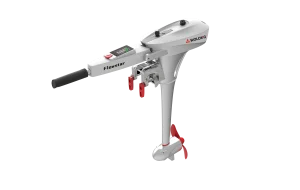
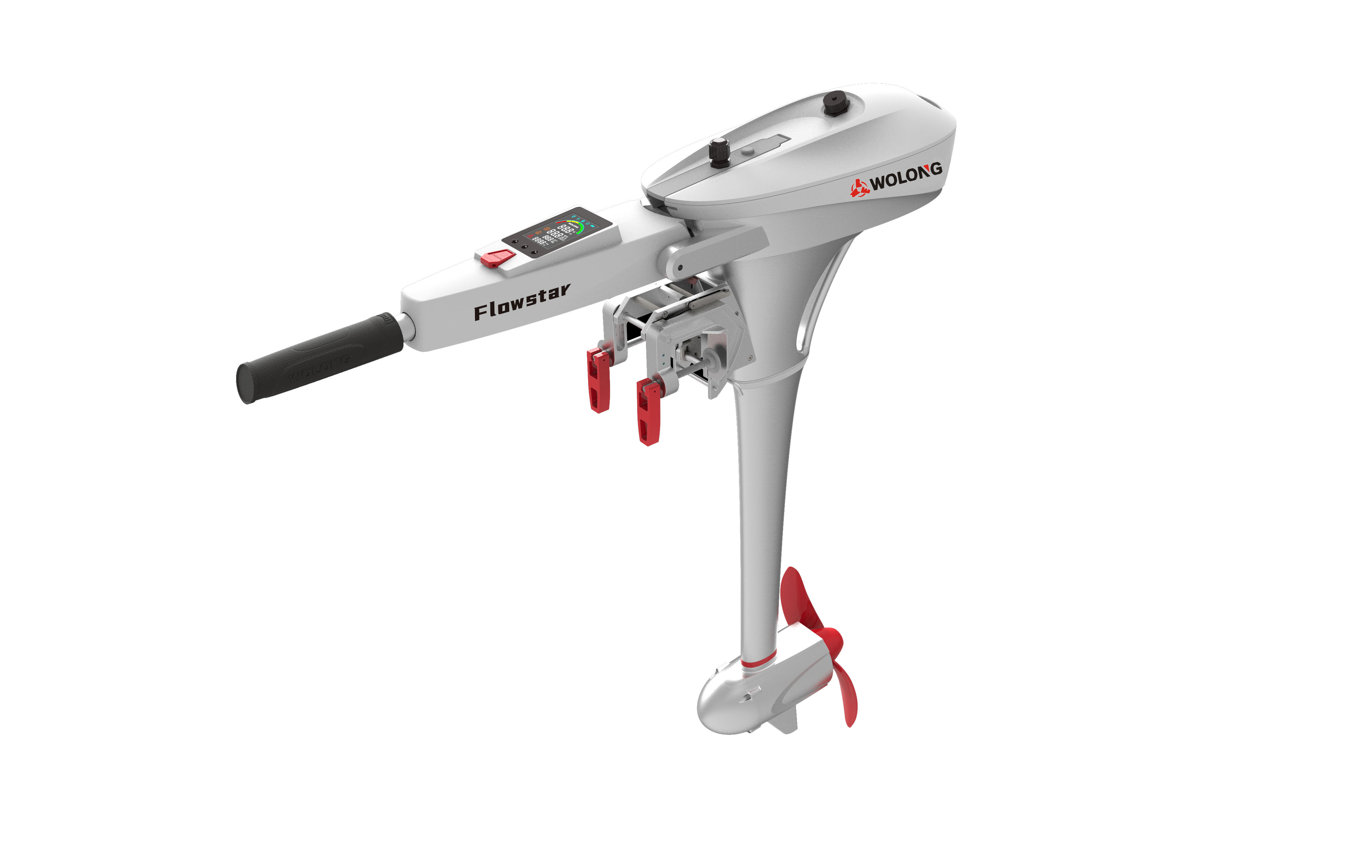
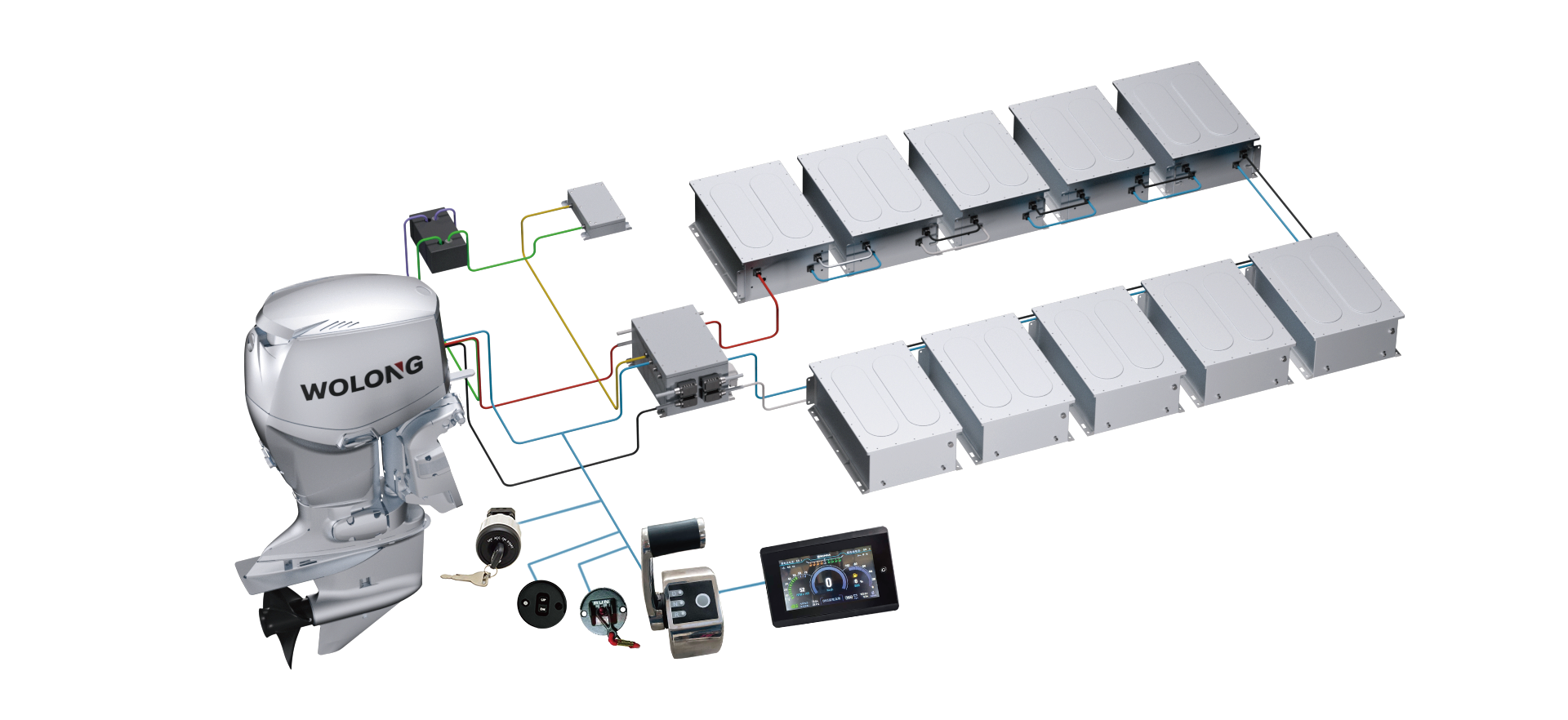
An outboard engine is a propulsion system mounted on the outside of a boat. It usually consists of an engine, gearbox and propeller, all installed in a single unit. These motors are designed to be easily removed and attached to the boat’s transom, allowing for straightforward installation and maintenance. Outboard engines come in a variety of sizes and power ratings to suit a variety of boat sizes and applications.
Application of outboard motors in the marine industry
The applications of outboard motors in the marine industry are diverse and widespread. These motors are widely used in various types of vessels, including fishing boats, recreational boats, pontoon boats, small and medium-sized commercial vessels. Their versatility and ease of use make them a popular choice for ship propulsion.
1 Fishing Boats: Outboard engines are often used on fishing boats for their maneuverability and ability to navigate shallow waters. Anglers rely on outboard motors to reach prime fishing spots and move with precision, enhancing their overall fishing experience.
2 Recreational Boats: Outboard motors are a staple in the recreational boating world. They power vessels ranging from dinghies to large recreational boats, providing reliable propulsion for recreational activities such as cruising, water sports and island hopping.
3 Pontoon Boats: Known for their stability and spacious deck area, pontoon boats typically utilize outboard motors for propulsion. These motors provide the power needed to propel your pontoon boat efficiently, allowing for smooth cruising and recreational activities on the water.
4 Commercial Marine: Outboard engines are also used in a variety of commercial applications, including ferries, water taxis, and small cargo boats. Its compact design and reliable performance make it a practical choice for businesses operating coastal and inland waterways.
What is an outboard motor:
An outboard engine is a propulsion system mounted on the outside of a boat. It usually consists of an engine, gearbox and propeller, all installed in a single unit. These motors are designed to be easily removed and attached to the boat’s transom, allowing for straightforward installation and maintenance. Outboard engines come in a variety of sizes and power ratings to suit a variety of boat sizes and applications.
Application of outboard motors in the marine industry
The applications of outboard motors in the marine industry are diverse and widespread. These motors are widely used in various types of vessels, including fishing boats, recreational boats, pontoon boats, small and medium-sized commercial vessels. Their versatility and ease of use make them a popular choice for ship propulsion.
1 Fishing Boats: Outboard engines are often used on fishing boats for their maneuverability and ability to navigate shallow waters. Anglers rely on outboard motors to reach prime fishing spots and move with precision, enhancing their overall fishing experience.
2 Recreational Boats: Outboard motors are a staple in the recreational boating world. They power vessels ranging from dinghies to large recreational boats, providing reliable propulsion for recreational activities such as cruising, water sports and island hopping.
3 Pontoon Boats: Known for their stability and spacious deck area, pontoon boats typically utilize outboard motors for propulsion. These motors provide the power needed to propel your pontoon boat efficiently, allowing for smooth cruising and recreational activities on the water.
4 Commercial Marine: Outboard engines are also used in a variety of commercial applications, including ferries, water taxis, and small cargo boats. Its compact design and reliable performance make it a practical choice for businesses operating coastal and inland waterways.
 The significance of outboard engines in the shipbuilding industry
The use of outboard engines has had a significant impact on the marine industry in many ways, contributing to the overall advancement and convenience of boats. Some of the important aspects of outboard engines in the marine industry include:
Maneuverability: Outboard engines provide superior maneuverability, allowing boat operators to maneuver through tight spaces, shallow waters and crowded docks with ease. This level of control increases safety and operational efficiency, especially in challenging water conditions.
Versatility: Outboard engines are versatile and can easily adapt to different boat designs and configurations. This versatility expands the range of boat types and styles available to consumers to meet different preferences and boating needs.
Convenience: The convenience of outboard motors makes boating more accessible to a wider audience. They are easy to install and maintain, lowering the barriers to boat ownership, allowing more people to enjoy recreational boating and water activities.
Environmental considerations: Modern outboard engines are designed to comply with strict environmental regulations, improving fuel efficiency and reducing emissions. This focus on environmental sustainability is consistent with the industry’s commitment to minimizing its ecological footprint.
Innovation and Technology: Continuous innovation and technological advancement drive the development of outboard motors. This has led to the introduction of more efficient, quieter, technologically advanced outboard engine models that enhance the overall boating experience.
In summary, the use of outboard engines in the marine industry has had a profound impact on the way ships are powered and operated. From fishing boats to recreational boats and commercial applications, outboard engines play a vital role in propelling a variety of vessels. Their importance in enhancing mobility, versatility, accessibility and environmental considerations highlights their importance in shaping the modern boating landscape. As technology continues to evolve, outboard engines will likely remain the cornerstone of the boating industry, driving innovation and meeting the diverse needs of boaters around the world.
The significance of outboard engines in the shipbuilding industry
The use of outboard engines has had a significant impact on the marine industry in many ways, contributing to the overall advancement and convenience of boats. Some of the important aspects of outboard engines in the marine industry include:
Maneuverability: Outboard engines provide superior maneuverability, allowing boat operators to maneuver through tight spaces, shallow waters and crowded docks with ease. This level of control increases safety and operational efficiency, especially in challenging water conditions.
Versatility: Outboard engines are versatile and can easily adapt to different boat designs and configurations. This versatility expands the range of boat types and styles available to consumers to meet different preferences and boating needs.
Convenience: The convenience of outboard motors makes boating more accessible to a wider audience. They are easy to install and maintain, lowering the barriers to boat ownership, allowing more people to enjoy recreational boating and water activities.
Environmental considerations: Modern outboard engines are designed to comply with strict environmental regulations, improving fuel efficiency and reducing emissions. This focus on environmental sustainability is consistent with the industry’s commitment to minimizing its ecological footprint.
Innovation and Technology: Continuous innovation and technological advancement drive the development of outboard motors. This has led to the introduction of more efficient, quieter, technologically advanced outboard engine models that enhance the overall boating experience.
In summary, the use of outboard engines in the marine industry has had a profound impact on the way ships are powered and operated. From fishing boats to recreational boats and commercial applications, outboard engines play a vital role in propelling a variety of vessels. Their importance in enhancing mobility, versatility, accessibility and environmental considerations highlights their importance in shaping the modern boating landscape. As technology continues to evolve, outboard engines will likely remain the cornerstone of the boating industry, driving innovation and meeting the diverse needs of boaters around the world.
Outboard engines have been a game changer in the marine industry, revolutionizing how boats are powered and operated. These motors are an important part of many boats, providing propulsion and maneuverability.
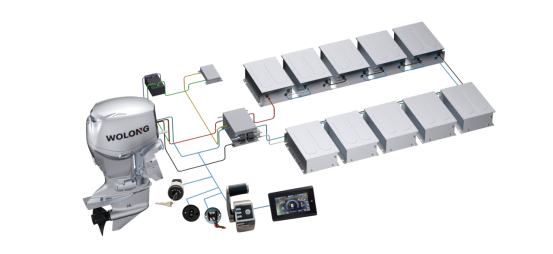
An outboard engine is a propulsion system mounted on the outside of a boat. It usually consists of an engine, gearbox and propeller, all installed in a single unit. These motors are designed to be easily removed and attached to the boat’s transom, allowing for straightforward installation and maintenance. Outboard engines come in a variety of sizes and power ratings to suit a variety of boat sizes and applications.
The applications of outboard motors in the marine industry are diverse and widespread. These motors are widely used in various types of vessels, including fishing boats, recreational boats, pontoon boats, small and medium-sized commercial vessels. Their versatility and ease of use make them a popular choice for ship propulsion.
Outboard engines are often used on fishing boats for their maneuverability and ability to navigate shallow waters. Anglers rely on outboard motors to reach prime fishing spots and move with precision, enhancing their overall fishing experience.
Outboard motors are a staple in the recreational boating world. They power vessels ranging from dinghies to large recreational boats, providing reliable propulsion for recreational activities such as cruising, water sports and island hopping.
Known for their stability and spacious deck area, pontoon boats typically utilize outboard motors for propulsion. These motors provide the power needed to propel your pontoon boat efficiently, allowing for smooth cruising and recreational activities on the water.
Outboard engines are also used in a variety of commercial applications, including ferries, water taxis, and small cargo boats. Its compact design and reliable performance make it a practical choice for businesses operating coastal and inland waterways.
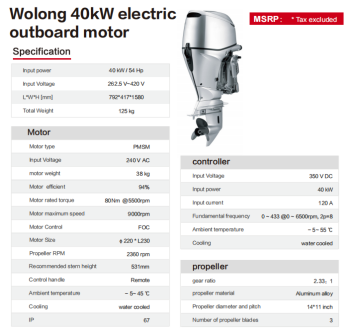
The use of outboard engines has had a significant impact on the marine industry in many ways, contributing to the overall advancement and convenience of boats. Some of the important aspects of outboard engines in the marine industry include:
In summary, the use of outboard engines in the marine industry has had a profound impact on the way ships are powered and operated. From fishing boats to recreational boats and commercial applications, outboard engines play a vital role in propelling a variety of vessels. Their importance in enhancing mobility, versatility, accessibility and environmental considerations highlights their importance in shaping the modern boating landscape. As technology continues to evolve, outboard engines will likely remain the cornerstone of the boating industry, driving innovation and meeting the diverse needs of boaters around the world.
1. What defines an outboard motor?
An outboard motor is an all-in-one propulsion system that includes the engine, gearbox, and propeller, mounted on the outside of a boat's transom. It can be easily attached or removed for maintenance and installation.
2. Which types of boats commonly use outboard engines?
Outboard engines are highly versatile and widely used across recreational boats, fishing boats, pontoon boats, as well as small to medium-sized commercial vessels like ferries and water taxis.
3. Why are outboard motors preferred for fishing boats?
They offer exceptional maneuverability and allow boats to navigate shallow waters safely. This helps anglers reach prime spots with precision and control.
4. How do outboard engines benefit the environment?
Modern outboard motors are designed to comply with strict environmental standards, offering improved fuel efficiency and significantly reduced emissions compared to older models.
5. What makes outboard motors convenient for boat owners?
Their external mounting design allows for easy installation, quick removal, and simplified maintenance, which lowers the overall barrier to boat ownership and operation.