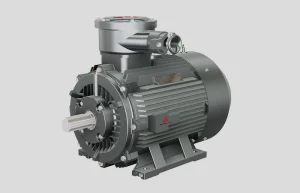
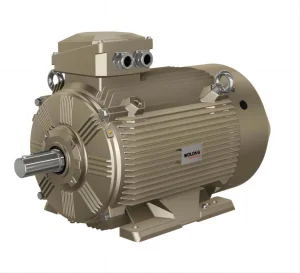
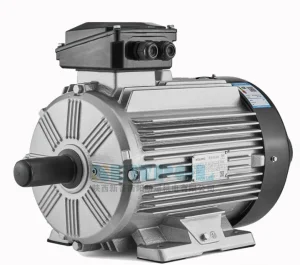
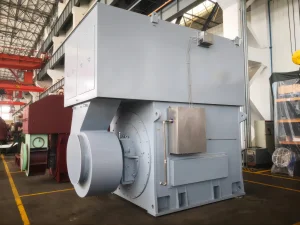
Explore our premier line of CE-certified explosion-proof, flameproof, and high-efficiency induction and synchronous motors designed for heavy industries worldwide.
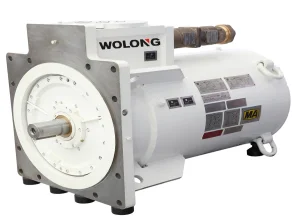
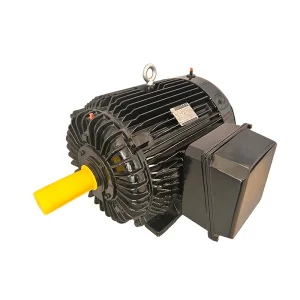
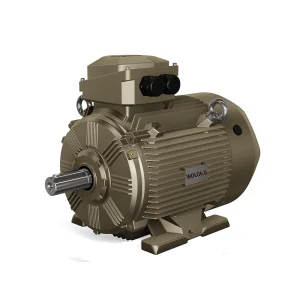
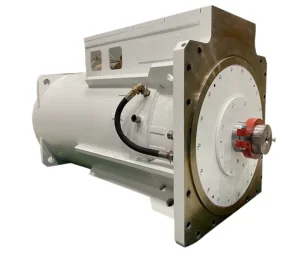
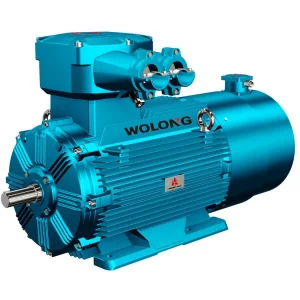
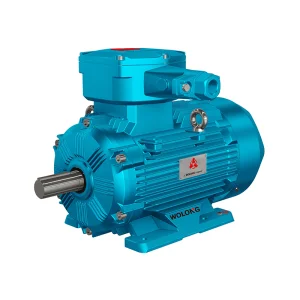
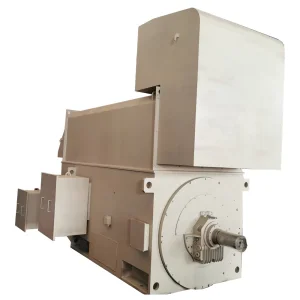
In modern industrial manufacturing and energy production, the configuration of electric motor drive systems determines the operational threshold of process efficiency, safety, and system resilience. Medium and High Voltage Variable Frequency Drives (VFDs) serve as the vital infrastructure for high-power industrial equipment, converting and regulating electric power with surgical precision. Operating high-voltage equipment requires addressing unique physical challenges: high voltage stress, harmonic distortion, common-mode voltages, thermal dissipation constraints, and strict compliance with safety directives like the European CE Certification.
A CE certified High Voltage VFD represents more than just compliance; it signifies that the drive system adheres to rigorous safety, health, and environmental protection requirements in the European Economic Area (EEA). This includes the Low Voltage Directive (LVD) 2014/35/EU, the Electromagnetic Compatibility (EMC) Directive 2014/30/EU, and the Machinery Directive 2006/42/EC. For global procurement directors, choosing a CE-marked VFD ensures that the system incorporates advanced safety measures, such as galvanic insulation, high-voltage interlocks, and low harmonic emissions, making it ready for integration into mission-critical municipal, petrochemical, and power generation frameworks.
Engineered to meet LVD and EMC directives. Features robust active isolation, voltage insulation ratings, and comprehensive fault protection loops to ensure safe high-voltage operation.
Compatible with IE3, IE4, and ultra-high-efficiency IE5 permanent magnet synchronous motors. Delivers optimal motor voltage waveforms that reduce mechanical stress and system wear.
A broad portfolio of VFDs and motors rated for low, medium, and high voltage environments, custom-engineered for explosion-proof, dust-proof, and chemical-heavy hazard zones.
Shaanxi Nanfang Motor Technology Co., Ltd. is the authorized global distributor of Wolong Electric Drive Group Co., Ltd. founded in 1984 and listed on the Shanghai Stock Exchange (SH600580) in 2002. With over 30 years of continuous growth, Wolong has established a global footprint comprising 3 main manufacturing bases, 39 advanced factories, and 3 global R&D centers. Wolong focuses on the design, production, and distribution of high-efficiency motors and variable frequency control systems. By prioritizing a global brand strategy, Wolong has become a leader in research and development, smart manufacturing, and sales integration across worldwide markets.
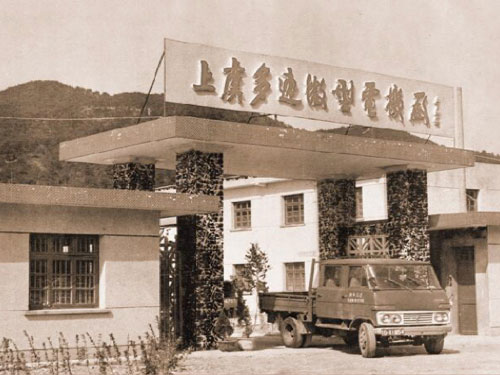
In 2011, Wolong acquired 97.94% of the Austrian ATB Group, one of Europe's top three motor manufacturers. This acquisition integrated the Morley brand, which brings over 130 years of history in underground coal mining equipment, and Laurence Scott, a pioneer in low-starting-current motors for naval vessels and nuclear power plants. This strategic integration brought advanced industrial motor technology directly into the Wolong product lineup.
Brook Crompton brought over a century of experience in motor design and innovation to the group, focusing on premium energy-efficient motors like the Brook Crompton "W" and "10" series. In the same era, Schorch (established in Germany in 1882) joined Wolong, adding key expertise in supplying heavy industrial drives for chemical processing, oil and gas, pipeline systems, and wastewater management globally.
In 2015, CNE (China's largest explosion-proof motor research and manufacturing base) integrated into the Wolong Group, strengthening its capabilities in hazardous environment motor design. In 2018, Wolong partnered with General Electric (GE) to distribute industrial motors and drives. This cooperation combined GE's long-standing industrial experience with Wolong's global production capacity.
How China-based production facilities combine supply chain integration, cost efficiency, and advanced research to deliver reliable high-voltage equipment.
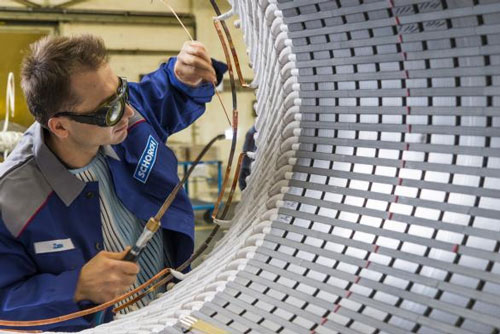
Our manufacturing facility coordinates the entire production cycle, from sourcing raw materials to winding stators and conducting full-load system testing. By sourcing local key elements like rare-earth magnets, steel laminations, and power semiconductor modules, we reduce lead times and production costs while maintaining strict control over component quality.
Our engineering teams utilize digital design platforms to run multiphysics simulations, analyzing electromagnetic, thermal, and structural performance before production begins. This ensures that every high-voltage VFD and motor frame has adequate heat dissipation margins and vibration resistance to handle severe mechanical stress.
Our factories feature dedicated high-power testing bays capable of running full-load, temperature-rise, dynamic balance, and harmonic distortion tests on high-voltage drive systems up to 15MW. This thorough validation process ensures that each VFD matches its motor's performance characteristics before leaving the factory.
A detailed look at the core components that provide our high-voltage drive systems and motors with long-term reliability in harsh industrial environments.
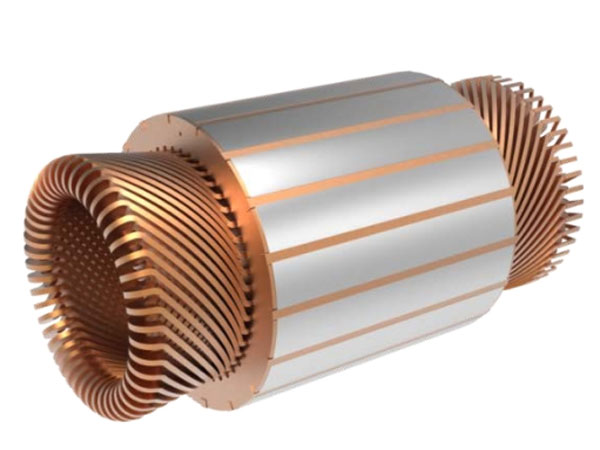
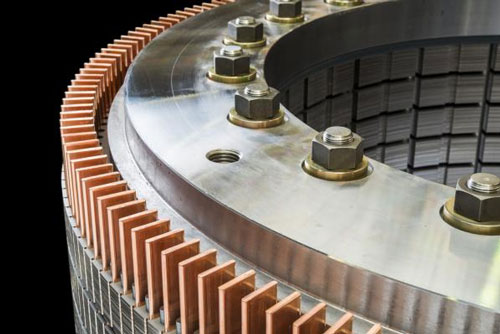
The stator coil utilizes polyester film reinforced with glass cloth and high-mica-content tape to provide high dielectric strength. After winding, the stator core undergoes a detailed Vacuum Pressure Impregnation (VPI) cycle, which eliminates air pockets and seals the assembly against moisture, dust, and corrosive chemicals. This structural integrity ensures reliable heat transfer and thermal stability during high-voltage operation.
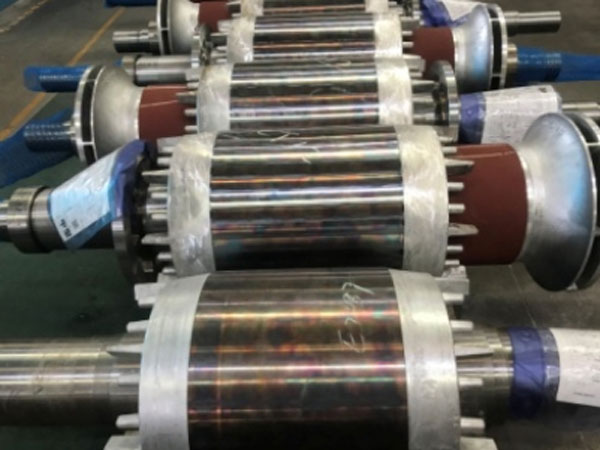
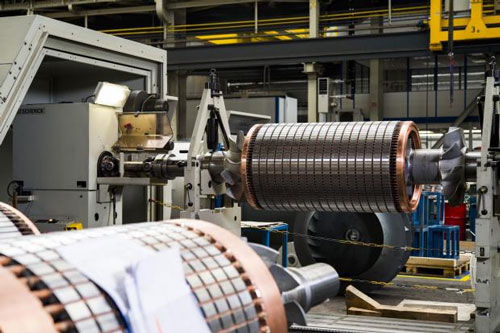
Our motor rotors feature a squirrel cage design optimized for high torque output. For small to medium capacities, we utilize centrifugal aluminum casting or die-casting techniques, which integrate the rotor bars and end rings into a single durable component. For high-power high-voltage applications, we use copper bar rotors with reinforced welded end rings and protective high-speed retaining rings to prevent distortion under high centrifugal forces.
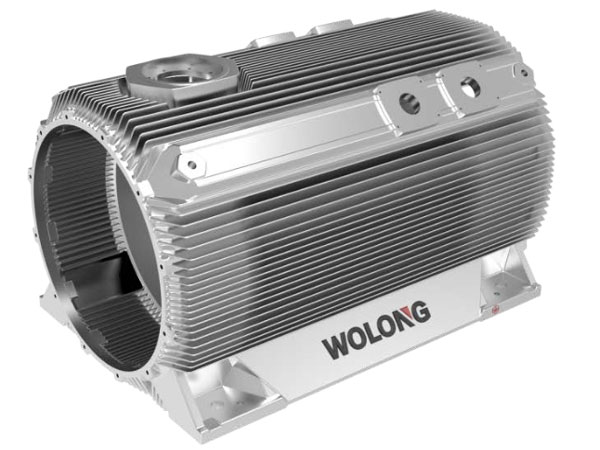
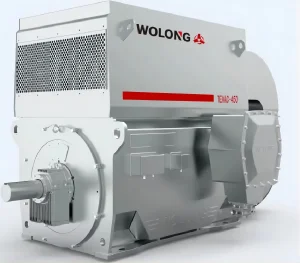
The motor frames are manufactured from high-strength cast iron or welded steel plates to provide structural stiffness. The outer cooling fins are designed using fluid dynamics models to maximize convection air currents. This rigid structure isolates the motor's natural frequencies, absorbs external mechanical shocks, reduces vibration levels, and maintains stable internal operating temperatures.
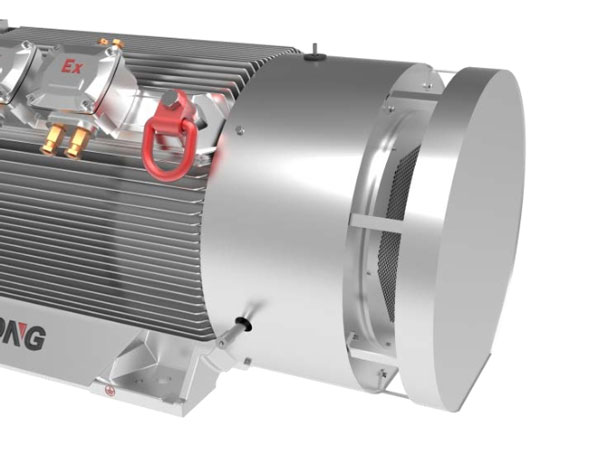
The ventilation system consists of an aerodynamic fan cover, air guide cylinder, protection window, and sound-absorbing silencer plates. By positioning the air inlets on the sides rather than the rear, the design minimizes obstacles and avoids air blockages. The integration of acoustic lining materials dampens internal wind noise, while the fan cover meets IP22 safety standards to prevent accidental contact with the rotating blades.
To ensure reliable performance in international markets, our high-voltage motors and drive systems are tested and certified to comply with various global safety and quality standards.
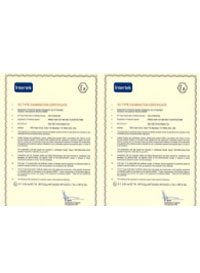
Nemko / ATEX
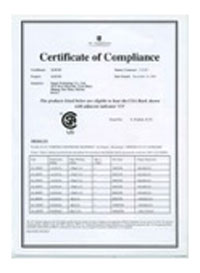
CSA
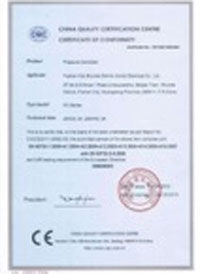
CE
CCC
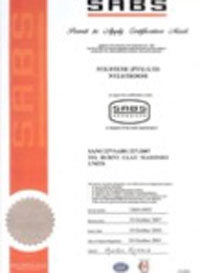
SABS
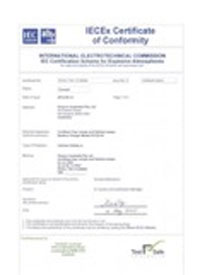
TESTSAFE
Our high-voltage variable frequency drives and motor systems are deployed in key global infrastructure sectors, providing reliable operation under variable loads.
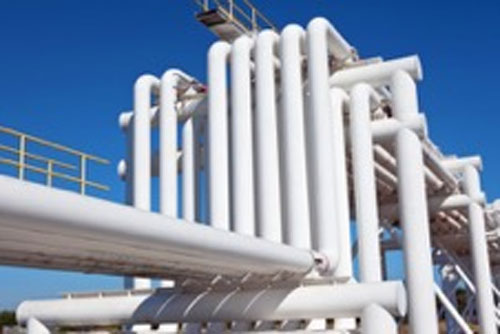
High-voltage VFDs drive pipeline compressors and injection pumps, adjusting speed to match flow rates and system pressures. This variable speed control reduces energy consumption and prevents mechanical pipeline shocks.
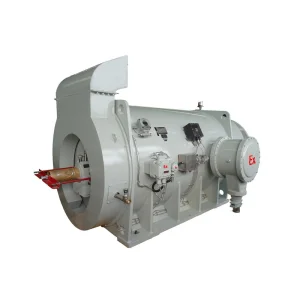
We supply flameproof explosion-proof motors (such as the YBS and YBBP series) for underground belt conveyors, shearers, and ventilation fans. These drives are built to operate reliably in high-dust and gas-heavy environments.
Large-scale municipal water treatment plants utilize our high-voltage drive packages to control high-volume distribution pumps. The VFD control provides soft-starting capabilities, eliminating water hammer effects in municipal water lines.


The medium and high voltage VFD industry is adapting to meet new technical demands, focusing on power density, digital integration, and system efficiency:
1. Wide-Bandgap Semiconductor Integration: The adoption of Silicon Carbide (SiC) and Gallium Nitride (GaN) power modules is growing. These materials enable higher switching frequencies, reduce thermal losses in the inverter stage, and allow for smaller filter components and overall VFD dimensions.
2. Edge Computing & Predictive Diagnostics: Modern high-voltage VFD systems are increasingly equipped with IoT sensor arrays and edge computing modules. These systems monitor insulation resistance, thermal profiles, and vibration levels in real time to identify potential component wear before it leads to system failure.
3. Low Harmonic Topology: Modern electrical grids require clean power inputs. VFD designs are shifting from basic 12-pulse configurations to Multi-Level Cascaded H-Bridge (CHB) and Active Front End (AFE) topologies. These designs minimize Total Harmonic Distortion (THD) on the input supply, ensuring compliance with standards like IEEE 519 without requiring bulky external harmonic filters.
Sourcing high-voltage VFD and motor packages involves evaluating the total cost of ownership (TCO) alongside technical specifications. Industrial buyers should consider three main factors:
Waveform Compatibility: Verify that the VFD output waveform matches the motor's insulation rating. High-frequency voltage spikes (dv/dt) can degrade motor insulation over long cable runs. Choosing a VFD with integrated sine-wave or dv/dt output filters protects the motor and extends its operating life.
Thermal Coordination: Ensure that the motor cooling configuration matches the VFD operating speed range. Motors running at low speeds under constant torque loads generate less self-cooling airflow. In these applications, forced-ventilation blower systems or liquid-cooling options must be specified.
Compliance & Documentation: Verify that all equipment holds regional safety certifications, such as CE, UL, CSA, or ATEX, and that the supplier provides complete type-test reports. Comprehensive technical documentation simplifies installation, commissioning, and safety audits at the job site.
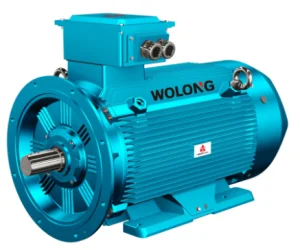
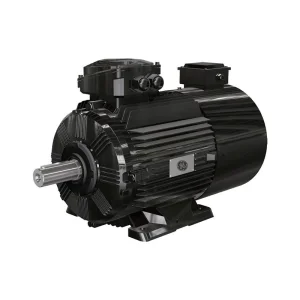
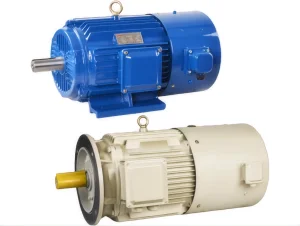
Select from our certified dust-proof, variable frequency, and permanent magnet synchronous motors designed for harsh environments.
 NANFANG