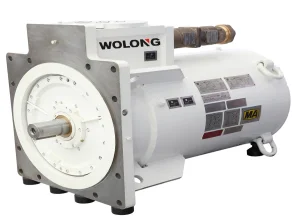
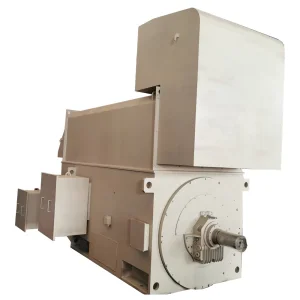
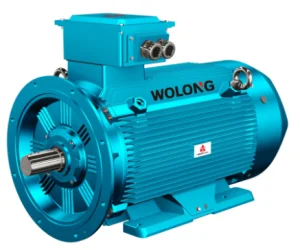
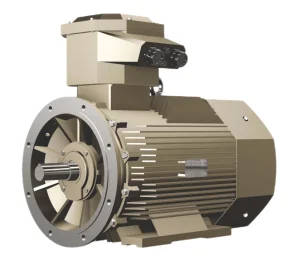
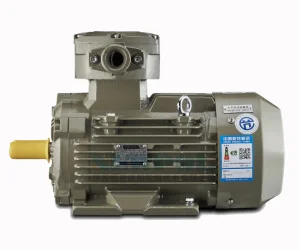
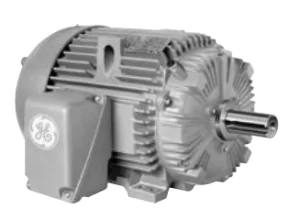
Shaanxi Nanfang Motor Technology Co., Ltd serves as the premier authorized distributor of Wolong Electric Drive Group Co., Ltd. Founded in 1984 and listed on the Shanghai Stock Exchange in 2002 (code: SH600580), Wolong has advanced to the forefront of the global electric machine manufacturing industry. The group maintains an expansive industrial infrastructure, featuring 3 global manufacturing bases, 39 manufacturing factories, and 3 state-of-the-art Research and Development centers worldwide.
By emphasizing a highly collaborative global brand strategy, Wolong has successfully integrated the engineering capabilities and legacies of several century-old brands. This unified technology platform yields world-class mechanical, electrical, and control system advancements that serve critical heavy industries including petroleum, petrochemicals, mining, power generation, maritime, and municipal water management.
Wolong's growth is driven by the strategic acquisition of some of the most reliable and technologically advanced brands in industrial motor history:
These structural acquisitions have enabled Wolong to cross-pollinate European engineering precision (such as Schorch's heavy-duty designs and ATB's specialized custom winders) with high-volume, lean manufacturing excellence in Asia.
Modern industrial drive designs are undergoing a paradigm shift driven by decarbonization, electrification, and digital controls. For decades, standard three-phase induction motors were the workhorses of manufacturing plants due to their robustness and direct-on-line (DOL) simplicity. However, the pressure to cut operational expenditure (OPEX) and meet global carbon neutrality mandates has elevated the importance of high-efficiency synchronous motors and hybrid induction-synchronous motor designs.
Key industry-defining trends include:
Industrial procurement departments at major engineering procurement companies (EPCs) and operators prioritize operational continuity, regulatory compliance, and total lifecycle value. Purchasing a low-voltage or high-voltage motor goes beyond initial unit costs; it involves calculating the Total Cost of Ownership (TCO). Since energy consumption accounts for over 90% of a motor's lifecycle cost, upgrading from an IE3 to an IE5 motor yields significant ROI within 18 to 36 months depending on local utility tariffs.
The reliability and efficiency of our motor technology depend on precise component engineering and material sciences. By combining rigorous dynamic simulation with high-grade components, these motors operate reliably in severe conditions.
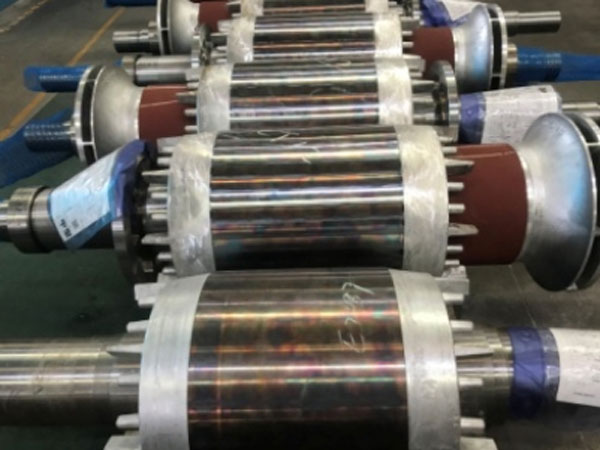
The rotor utilizes a squirrel cage configuration, with high-pressure die-cast or centrifugal cast aluminum filling the slots of the lamination stack to form a rugged, integrated structure. For high-output applications, fabricated copper bars are manually inserted and welded to end rings using specialized copper alloys, ensuring low electrical resistance and reliable thermal cycling performance. High-speed rotors feature reinforcing containment rings to withstand centrifugal stress.
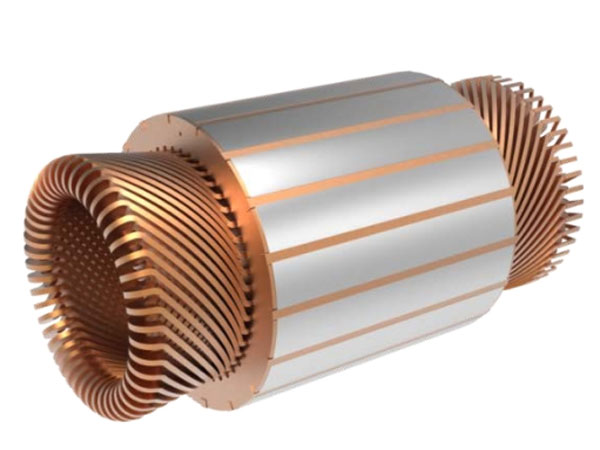
The stator coils are wound using high-grade polyester-imide enameled wire, insulated with glass-cloth reinforced mica tape. The completed stator core undergoes a full Vacuum Pressure Impregnation (VPI) process with solventless epoxy resin, eliminating internal air cavities. This treatment provides high dielectric strength, moisture resistance, and thermal conductivity, allowing the motor to operate with a Class F temperature rise under a Class H design margin.
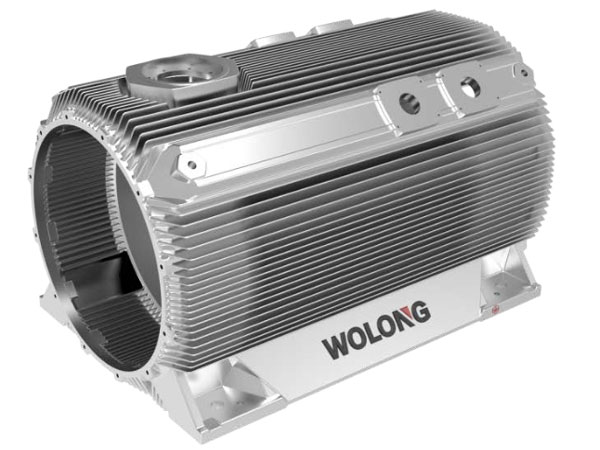
Using 3D CAD modeling and finite element method (FEM) analysis, the structural design prevents mechanical resonance and optimizes cooling airflow. Fabricated from high-tensile cast iron or heavy-gauge structural steel, the frame absorbs mechanical loads, maintains shaft alignment, and reduces vibrations. External cooling fins are spaced to prevent debris accumulation while maximizing heat transfer.
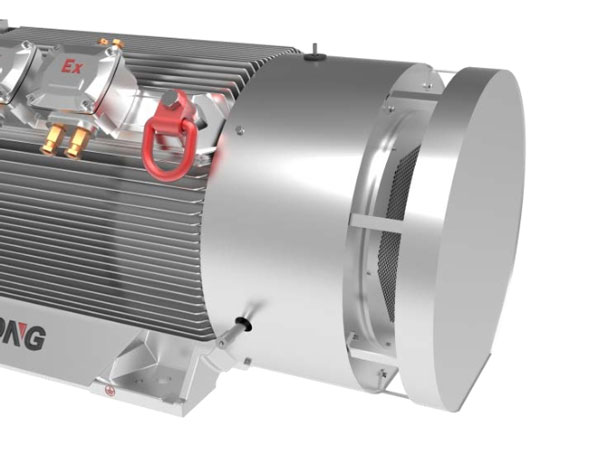
The low-noise ventilation system includes a contoured steel fan cowl, an optimized air guide, an inlet grille, and acoustic damping panels. This design minimizes inlet turbulence and pressure losses to reduce aerodynamic noise. The fan cover meets IP22 protection requirements, preventing accidental contact with the rotating fan blade.
Different heavy industries face unique operational challenges. Our comprehensive solutions address the specific environmental, electrical, and mechanical demands of these sectors:
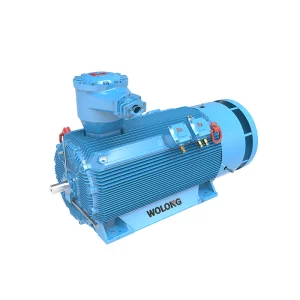
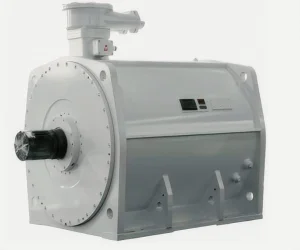
Refineries, chemical processing plants, and offshore platforms require robust protection against explosive gases, vapours, and dust. Our explosion-proof asynchronous and synchronous motor series (including the YBX4, YFB3, YE5, and NEXP lines) feature flameproof enclosures that contain internal explosions. These designs prevent thermal or spark transmission to the surrounding atmosphere, complying with IECEx, ATEX, and regional standards.
Underground coal mining demands drive systems capable of starting under load, handling dust, and enduring high moisture. The YBS conveyors flameproof motors and the YBC coal shearer cutting motors are designed to deliver high starting torque and thermal overload protection. Combined with water-cooled designs (such as the YBBP water-cooled variable frequency series), these motors fit into restricted spaces while maintaining low surface temperatures.
Increasing integration of renewable energy introduces grid voltage instability. Our Distributed Synchronous Condenser System Solutions help utilities regulate reactive power, stabilize voltage, and maintain system inertia. Additionally, the TAW series brushless excitation synchronous motors provide reliable, spark-free operation for large compressors and utility pumps, minimizing electrical wear and maintenance requirements.
Wolong's quality assurance framework spans the entire life cycle of product development, material sourcing, stator winding, VPI treatment, rotor balancing, and multi-load testing. Our production processes adhere to major international testing standards, ensuring safe operation under harsh conditions.
 IECEx Quality
 ATEX Compliant
 CE Mark
 CSA Certified
 NEMA Standard
To maintain a competitive edge, Wolong's global R&D teams are focusing on several key technical initiatives:
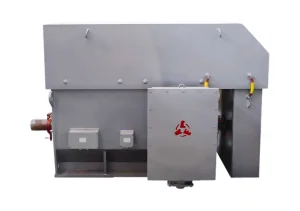
 NANFANG