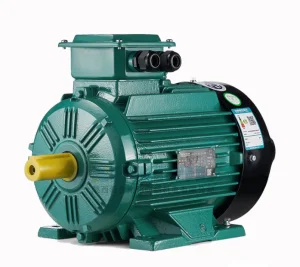
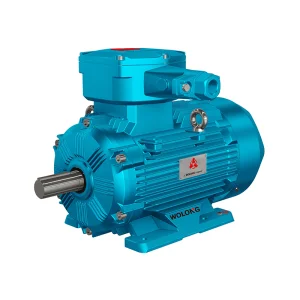
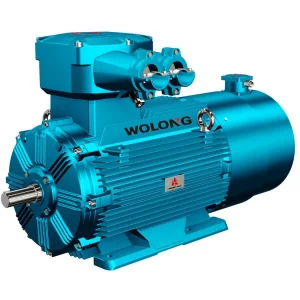
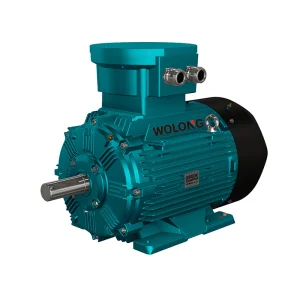
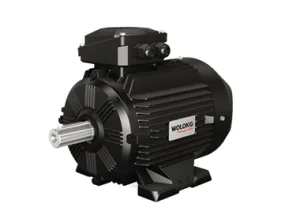
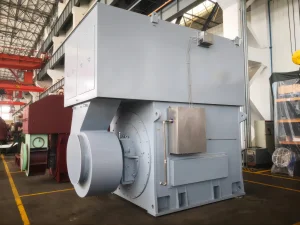
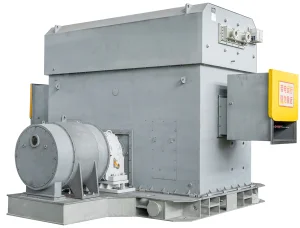
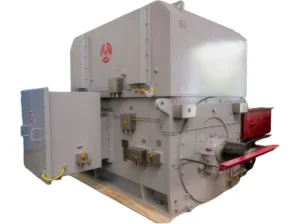
Within heavy industries—such as petrochemical refining, underground coal mining, and power generation—mechanical reliability is directly related to operational runtime. Vibration in three-phase induction motors serves as the primary indicator of structural health. Excessive vibration leads to bearing wear, insulation failure, and shaft misalignment, resulting in unscheduled downtime. Shaanxi Nanfang Motor Technology Co., Ltd., as the authorized distributor of global leader Wolong Electric, provides motors designed to limit and control mechanical vibration. Our engineering standards guarantee vibration severity remains well below the limits outlined in ISO 10816-3 and ISO 20816-1.
By using dynamic balancing processes and advanced multi-physics structural simulations, our motors minimize electromagnetic forces and mechanical instability. Whether addressing low-voltage high-efficiency installations or high-voltage, non-sparking critical systems, our solutions support continuous operation in demanding environments.
Vibration is not just a symptom; it is a diagnostic tool. In modern industrial operations, spectral analyses (Fast Fourier Transforms, or FFT) identify specific mechanical faults. Radial vibrations at 1x RPM indicate residual rotor imbalance, while 2x RPM signals shaft misalignment. At the high-frequency spectrum, electromagnetic faults show up as stator-rotor eccentricities. Wolong’s precision manufacturing processes resolve these mechanical challenges during the production phase, maintaining radial and axial runout tolerances down to the micrometer level.
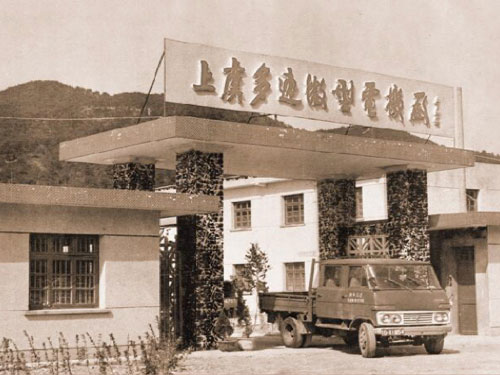
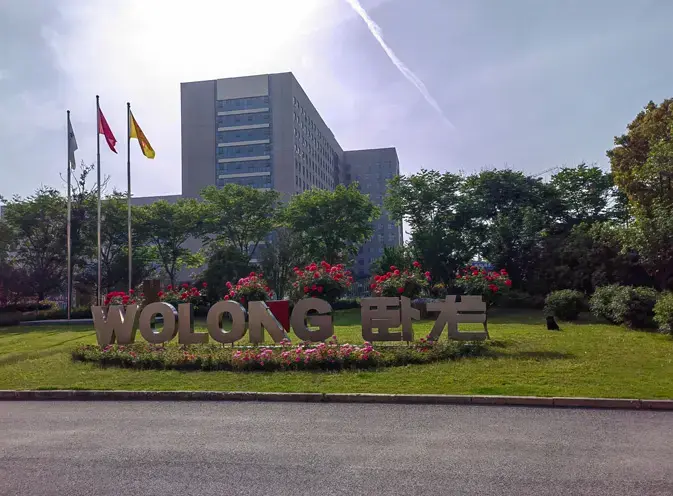
Shaanxi Nanfang Motor Technology Co., Ltd. is the authorized distributor of Wolong Electric Drive Group Co., Ltd. Founded in 1984 and listed on the Shanghai Stock Exchange in 2002 (code SH600580), Wolong has grown to establish 3 manufacturing bases, 39 factories, and 3 R&D centers worldwide.
Wolong focuses on the engineering and manufacture of motors and control systems, implementing a global brand strategy. This support establishes Wolong as a leader in R&D, process engineering, and global distribution. We supply advanced electric motor technologies across international markets, complying with local certifications and engineering specifications.
We provide motors verified to meet global explosion-proof guidelines. This compliance ensures safe operation in zones containing explosive dust or gas mixtures.
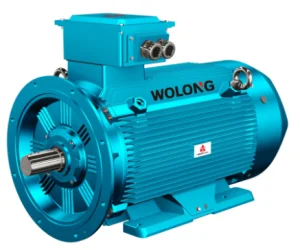
Motors are available in IE3, IE4, and IE5 efficiency levels, including Permanent Magnet Synchronous Motors (PMSM) designed to reduce energy consumption and operational costs.
Our product range covers applications from low-voltage processes to high-voltage, non-sparking configurations designed for hazardous areas.
Wolong coordinates development activities across centers in China, Europe, and Japan, supporting research and testing at the Central Research Institute in Shanghai.
The Wolong portfolio features brands with established histories in specialized applications, including Nanyang Explosion-Proof, Brook Crompton, Morley, Laurence Scott, Schorch, and ATB.
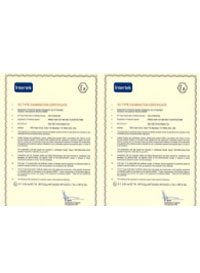
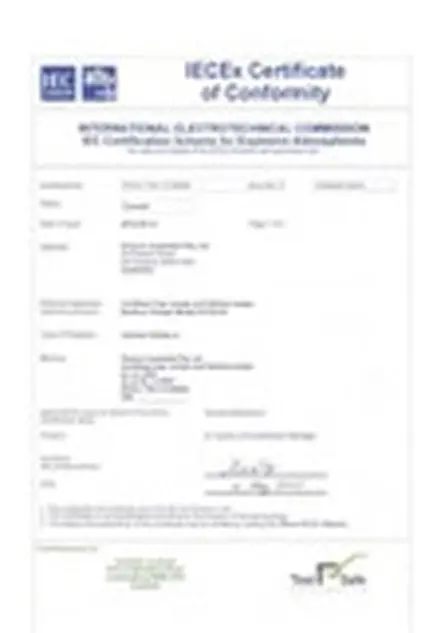
Our explosion-proof designs are tested for structural integrity and thermal management, with certifications from international bodies such as ATEX, IECEx, and CU-TR.


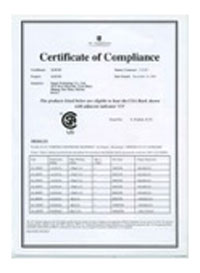
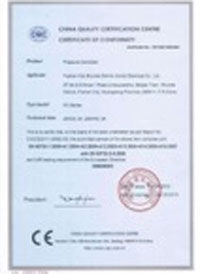
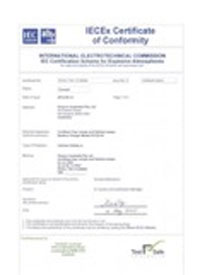
ISO 9001 Standard: Our factories use ISO 9001 quality management systems. This certification helps address trade barriers and verifies production consistency for international deliveries.
NEMA Standard: To verify compliance with NEMA mechanical specifications, our motors undergo a series of tests, including insulation resistance, locked-rotor torque, sound level, and vibration signature testing. Our low-voltage motors are UL and CSA listed.
IECEx & ATEX Standards: High and low-voltage explosion-proof motors are certified to IECEx and ATEX standards, allowing operation in hazardous areas within the EU and other international markets.
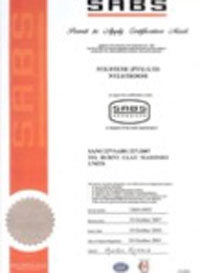
TESTSAFE Standard: Certified by Testsafe, the coal product certification body, our mining motors are approved for import and operation in Australian coal mining applications.
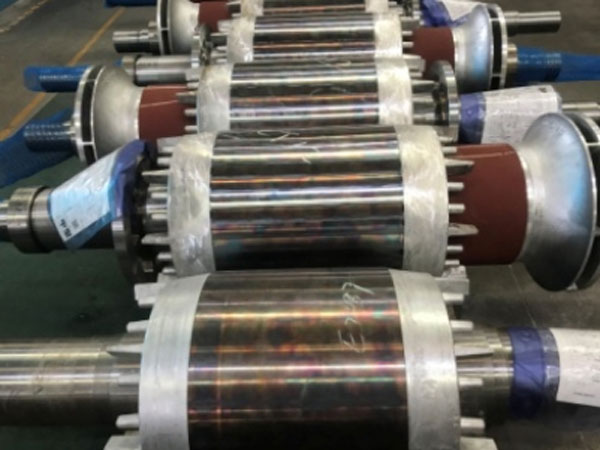
Our rotors use squirrel cage designs with cast aluminum, produced by centrifugal casting or high-pressure die-casting. This process creates a single piece integrating the rotor bars and end rings, which maintains structural integrity and torque characteristics. For larger capacity systems, we use copper bar rotors with welded end rings. High-speed models include protective rings to support the copper bar structure during operation.
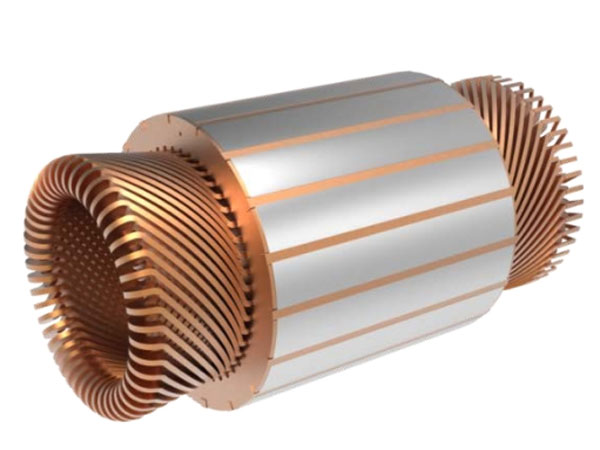
Stator coils are wrapped with polyester film and glass-fiber reinforced mica tape (available in low-powder or medium-powder variants). The assembled stator undergoes Vacuum Pressure Impregnation (VPI) with resin, which improves dielectric strength, mechanical stiffness, moisture protection, and thermal conductivity under load.
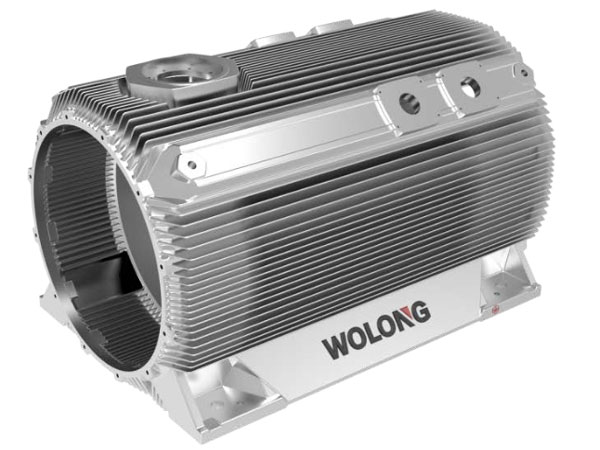
Motor frames are developed using digital multi-physics simulation platforms to model structural stress and thermal properties. Cast in high-strength grey iron or fabricated steel, the frames provide mechanical stiffness to resist vibration under shock loads, helping to control heat build-up and maintain low noise levels.
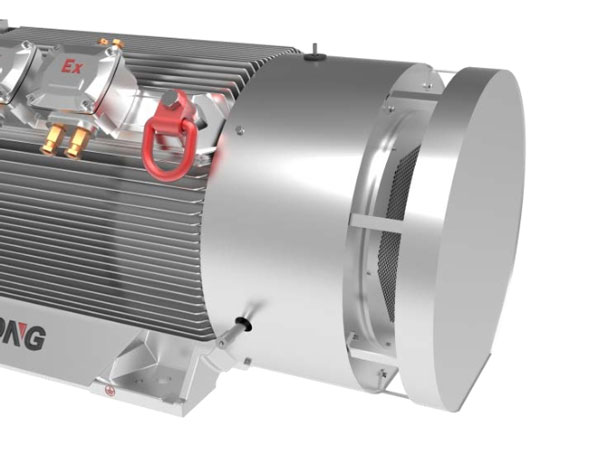
This assembly consists of a fan cover, air guide, window, and sound-attenuation plates. Designed to be lightweight, it features side-entry air inlets to reduce flow resistance and propagation noise. Internal sound-absorbing materials lower overall acoustic emissions. The system has an IP22 rating, preventing direct contact with rotating components.
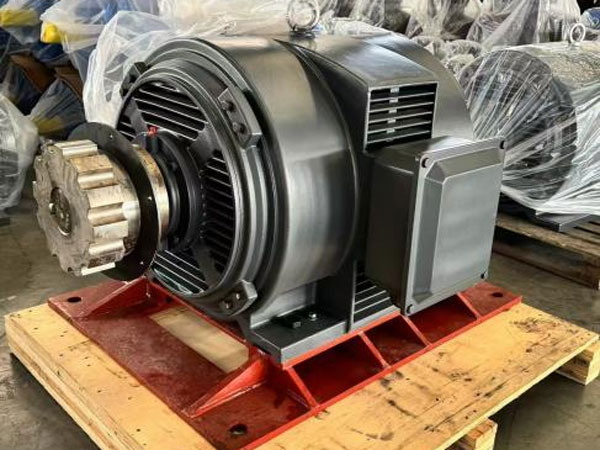
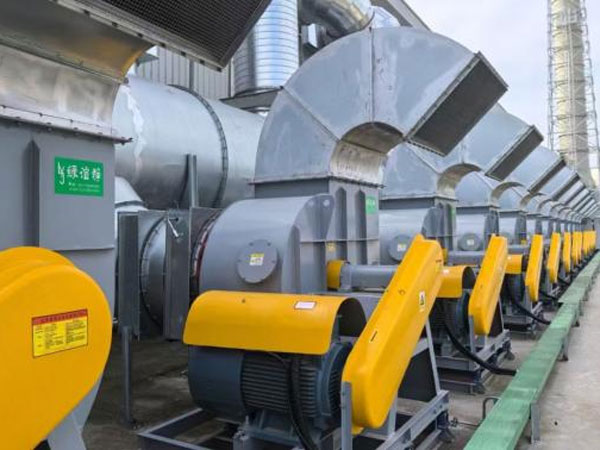
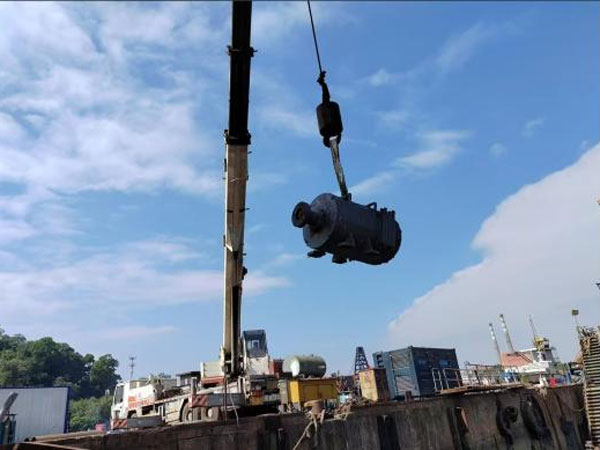
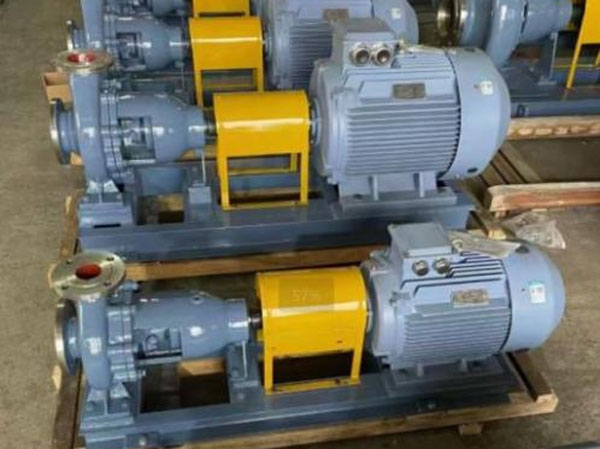
The industrial sector is transitioning from schedule-based servicing to predictive maintenance. Modern high-power induction motors increasingly incorporate triaxial vibration sensors and temperature probes. Real-time data is analyzed at the edge or in the cloud to monitor bearing degradation, detect rotor eccentricities, and prevent failures. Additionally, demand is growing for high-efficiency standards, such as IE4 and IE5 levels, to support corporate energy-saving goals.
Global procurement offices and EPC firms focus on compliance and performance verification. Key purchasing requirements include documented vibration compliance (such as ISO 10816 Class A), balancing validation, and explosion-proof certifications (ATEX/IECEx). Procurement agents look for supply chains that offer both regional technical support and manufacturing capacity to deliver high-volume custom builds on schedule.
At the macro level, systems must be designed to withstand variable speed operation. Variable Frequency Drives (VFDs) can introduce harmonic distortions, which may lead to bearing currents and structural resonance. Our industrial solutions address these issues by combining insulated bearings (or grounding brushes) with reinforced winding insulation. This design mitigates common-mode currents and maintains low motor vibration levels across wide speed ranges.
Wolong's range of motors and drive systems is used across 39 manufacturing facilities and 4 R&D centers globally. Our designs support equipment in sectors including oil and gas, petrochemicals, mining, power generation, and water treatment.
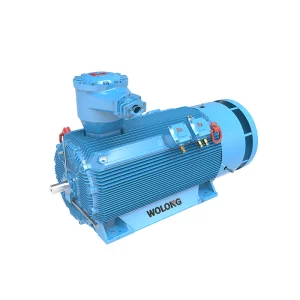
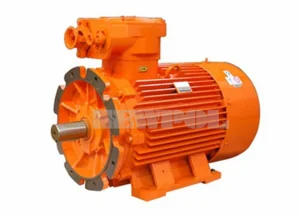
Explosion-proof motors (such as YBX3, YBX4, and YB3 series) provide safe operation in processing areas containing flammable gases or vapors. These models feature heavy flameproof enclosures designed to contain internal ignition risks.
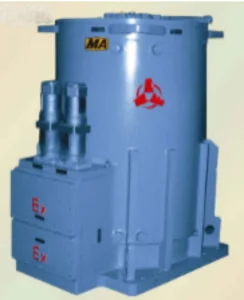
Underground mining operations rely on flameproof motors (including the Morley brand and YBK3 series) to withstand damp, dust-laden atmospheres and mechanical shocks, supporting continuous operation of conveyors and cutters.
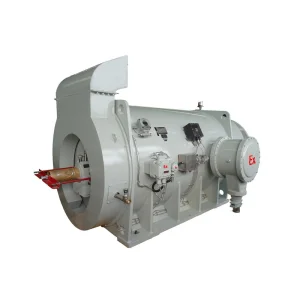
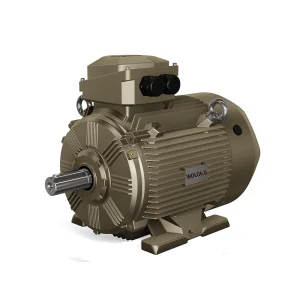
High-voltage asynchronous motors (like YZYKS and YWKK/YWKS series) drive high-flow pumps and large compressors. Optimized rotor balancing helps control vibration levels under continuous high-load operations.
Our development efforts focus on efficiency, reliability, and digital integration. The upcoming generation of induction motors will incorporate smart diagnostic systems directly into the terminal box structure. These systems monitor insulation status, bearing temperature, and vibration patterns, transmitting data to plant management networks via industrial protocols.
We are also refining our manufacturing processes to support the transition to IE5 and IE6 efficiency standards. Key initiatives include the development of permanent magnet rotors with low-loss designs, optimized winding geometry to reduce copper losses, and advanced cooling designs that help maintain stable operating temperatures and lower mechanical vibration.
 NANFANG