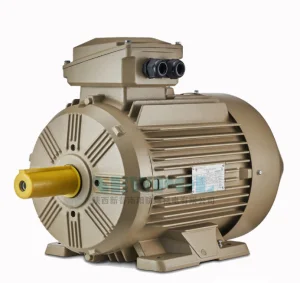
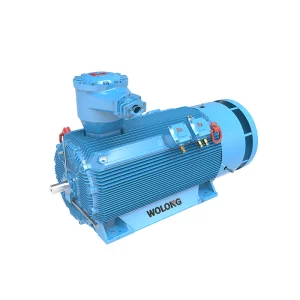
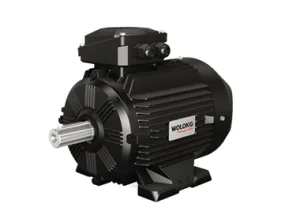
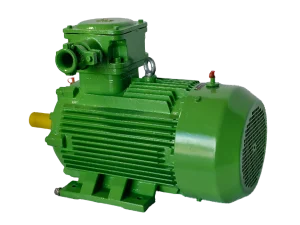
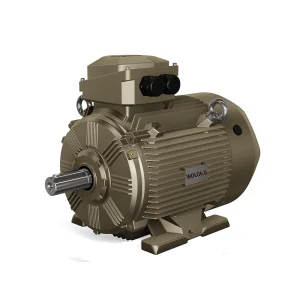
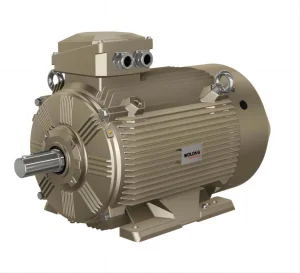
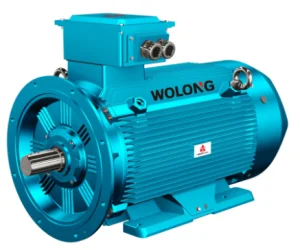
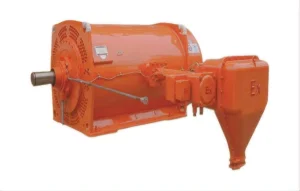
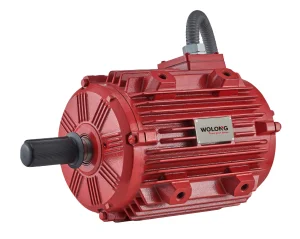
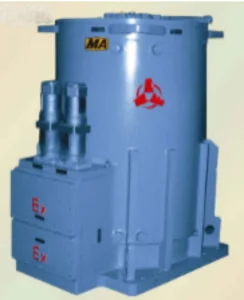
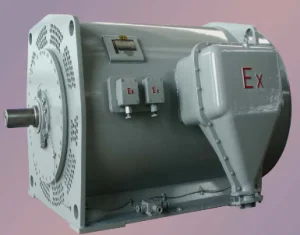
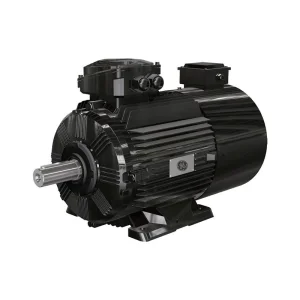
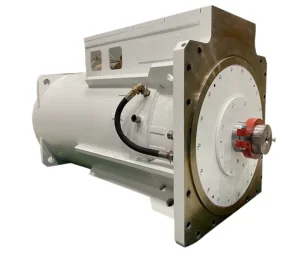
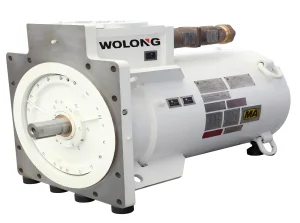
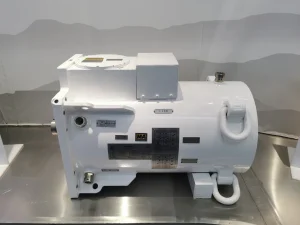
In petrochemical plants, underground coal mines, oil refineries, and industrial environments where volatile gases or vapors are processed, hazardous atmosphere compliance is paramount. The design architecture of an Ex d IIB T4 explosion-proof motor serves as a primary defense line, engineered strictly according to regional and global safety standards.
The "Ex d" designation indicates a flameproof containment design. Instead of preventing flammable gas from entering the enclosure, the structural joints and robust housing are designed to contain an internal explosion without fracturing, and to cool escaping combustion gases so they cannot ignite the external ambient atmosphere.
Classifying under Group IIB means the motor is qualified to operate safely in environments containing gases with medium explosive severity, including ethylene, ethyl ether, hydrogen sulfide, butadiene, and coke-oven gas, which represent a significantly wider operational range than standard Group IIA configurations.
The T4 rating guarantees that under the most severe operating conditions—including continuous overload, single-phase faults, or stalling events—the maximum outer surface temperature of the motor frame will not exceed 135°C (275°F), protecting against gas auto-ignition.
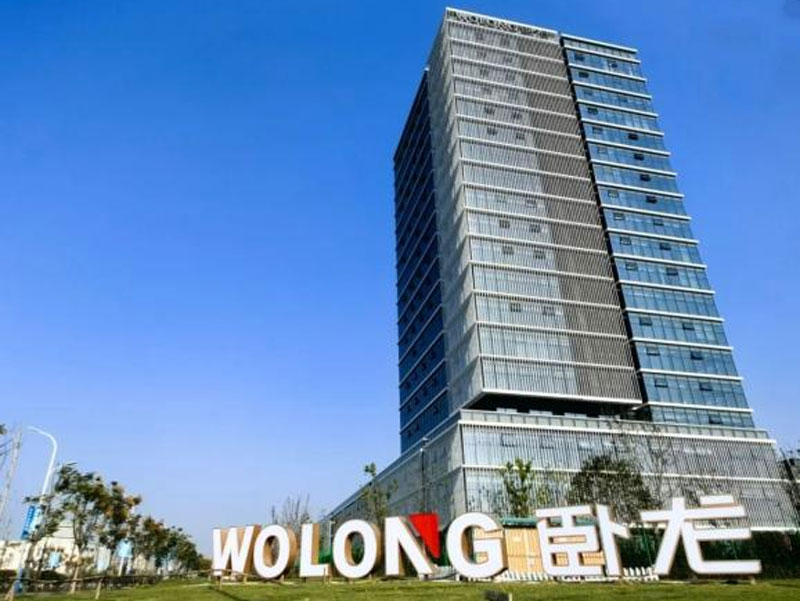
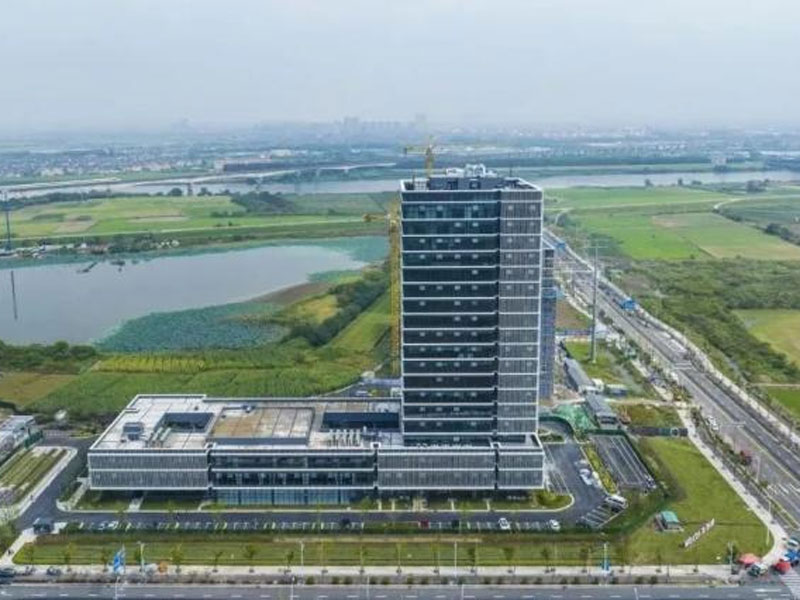
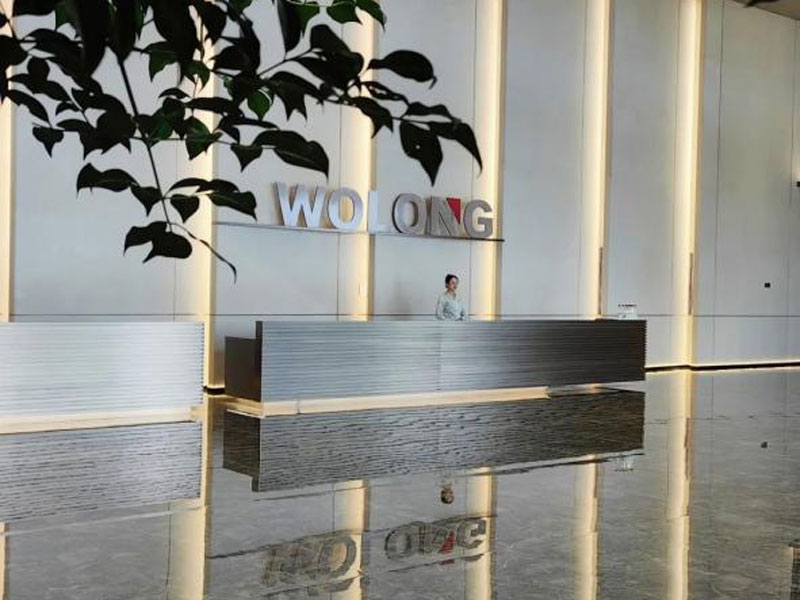
Shaanxi Nanfang Motor Technology Co., Ltd. is the official authorized distributor of Wolong. Founded in 1984, Wolong Electric Drive Group Co., Ltd. completed its successful public listing in 2002 (code SH600580). Over nearly four decades of engineering evolution, Wolong has scaled its operations to include 3 major manufacturing bases, 39 advanced factories, and 3 global R&D centers.
Our core mission revolves around the manufacturing, customization, and distribution of industrial motors and drive control systems. By prioritizing a global brand integration strategy, Wolong has solidified its status as an international leader in R&D capability, precision manufacturing, global supply chain reliability, and responsive localized aftermarket support.
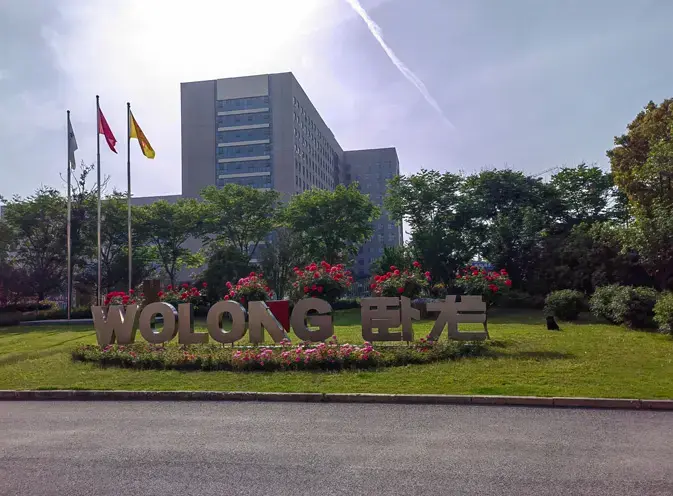
Through strategic overseas acquisitions, Wolong has integrated centennial motor manufacturers, combining European design with global manufacturing scale.
Acquired in 2011, ATB (incorporating Morley and Laurence Scott) brings over a century of underground mining and nuclear power station motor expertise, supplying low-starting-current generators and critical safety equipment.
An industry pioneer in energy-efficient motor design. Brook Crompton's premium "W" and "10" series low, medium, and high-voltage motors provide reliable adjustable speed drive solutions for harsh industrial operations.
Established in 1882, Schorch specializes in customized heavy-duty drive systems for oil & gas, chemical processing, water treatment, shipbuilding, and industrial testing environments.
A global leader in vibration motors (MVE) and Ex-proof vibration sensors. Established as a joint venture with Wolong in China since 1999 to support heavy material flow and sorting processes.
Integrated in 2015, CNE is China's largest explosion-proof motor research and manufacturing base, supplying mining, defense, and nuclear sectors with specialized Ex-proof machinery.
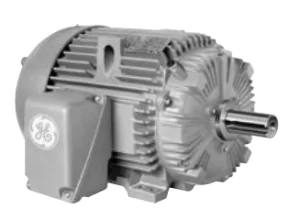
In 2018, Wolong partnered with GE's commercial and industrial motor division, incorporating legacy industrial product lines and technical expertise for heavy duty applications.
Our OEM Ex d IIB T4 explosion-proof motors are engineered down to the physical micro-structures to guarantee structural integrity and explosive mitigation under worst-case plant stress profiles.
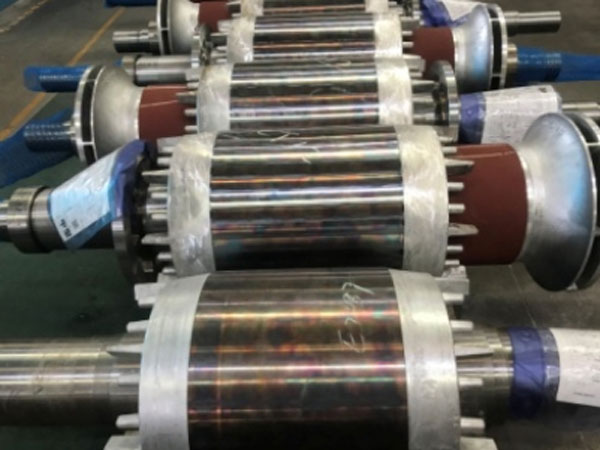
The rotor features a high-density squirrel cage design, utilizing centrifugally cast pure aluminum or pressure die-cast structures to form a unified core with integrated end-rings. This approach eliminates air gaps and micro-fissures in the bars, providing stable starting torque and heat dissipation.
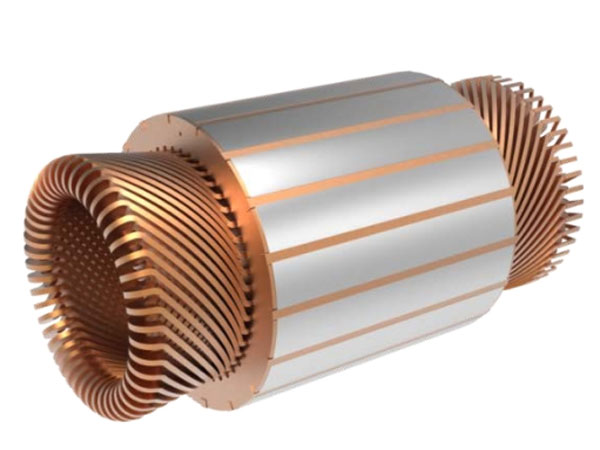
For high-capacity or variable-frequency drives, heavy-duty copper bar rotors are deployed. These bars are locked into slots and induction-brazed to the end rings under tight tolerances, while double-end retaining rings prevent radial displacement under centrifugal load during overspeed events.
The stator core is wound using high-grade oxygen-free copper wire, insulated with polyester film and reinforced with woven glass cloth. A multi-layer, low-binder mica tape is applied to prevent voltage spikes, particularly when paired with fast-switching IGBT variable frequency drives.
The wound assembly undergoes a complete Vacuum Pressure Impregnation (VPI) thermal cure cycle. This process extracts trapped moisture and air, backfilling all voids with high-grade synthetic resin to form a solid mass that resists moisture, salt-spray, chemical attack, and mechanical vibration.
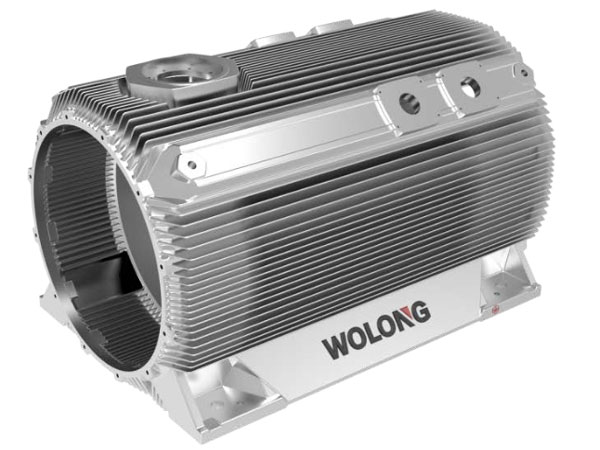
The flameproof enclosure is designed using digital multi-physics simulation platforms to balance mechanical strength, heat transfer, and natural frequencies. Manufactured from high-tensile grey cast iron, the frame absorbs internal explosion forces without structural deformation.
Deep cooling fins are cast directly onto the stator frame to optimize convective heat transfer. All mating flamepath joints—including end-shield clearances and shaft openings—are machined to precise tolerances to cool escaping internal combustion gases.
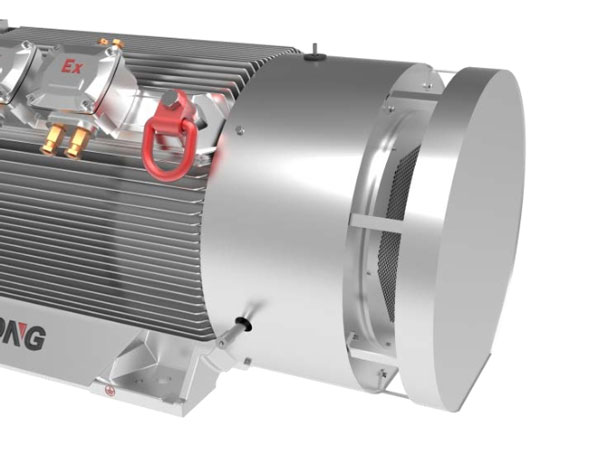
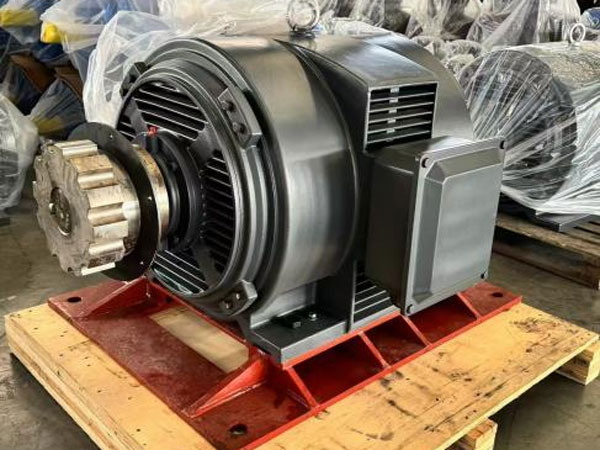
The low-noise ventilation system consists of an aerodynamic fan cover, guide cylinder, protective window, and sound-absorbing silencer plates. The side-inlet design maintains consistent airflow even in tight layouts where rear obstructions exist.
The system uses non-sparking, corrosion-resistant dynamic fans and incorporates sound-damping materials that reduce motor noise. The cover is rated at IP22 to prevent accidental contact with moving parts.
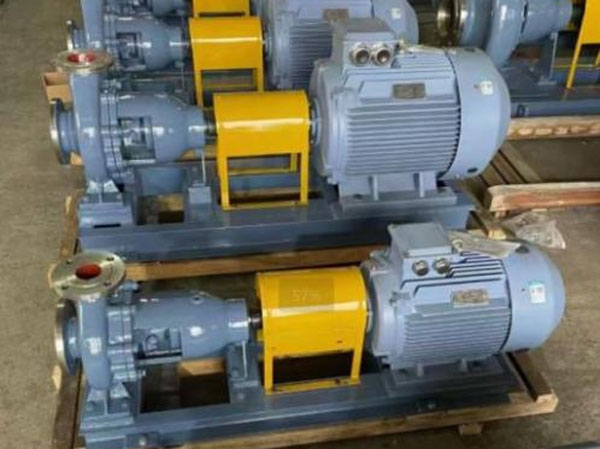
Modern process industries demand drives that offer high levels of explosion-proof safety alongside optimized efficiency, precision speed control, and digital diagnostic integration.
With tightening international environmental regulations, B2B buyers are moving away from legacy IE2/IE3 motors to IE4 and IE5 ultra-high efficiency standards. Permanent magnet synchronous motors (PMSM), such as the WEPM series, utilize high-coercivity rare earth magnets to reduce electrical losses by up to 35% compared to typical induction models.
Operating a flameproof motor on a Variable Frequency Drive (VFD) introduces high thermal stresses, harmonic distortion, and shaft voltage risks. Contemporary design solutions, like the water-cooled YBBP series, integrate insulated non-drive end bearings and custom winding structures to ensure reliable operation under variable speed loads.
Modern explosion-proof motors are increasingly equipped with ATEX/IECEx certified wireless vibration sensors, PT100 temperature detectors, and winding monitoring modules. These components stream real-time operational data to predictive maintenance platforms, reducing unscheduled downtime in critical chemical and refining operations.
For procurement officers and engineering leads, choosing the correct motor requires careful evaluation of technical specifications, certification validity, and long-term operating costs.
Continuous-running process equipment requires S1 continuous duty motors, whereas periodic material handling may utilize S2/S3 duty cycles. Ensure the insulation system is sized for winding temperature rises under high ambient temperatures (up to +60°C).
Specify high-load cylindrical roller or ball bearings with an L10 operating life exceeding 50,000 hours. The housing should feature external grease-replenishing valves that allow re-lubrication while the motor remains in operation.
For offshore platforms and chemical processing plants, specify C4 or C5-M marine-grade multi-layer epoxy coatings. Ensure ingress protection ratings of IP55, IP56, or IP65 to prevent the penetration of water and fine dust particles.
To supply industries with diverse requirements, our motor portfolio holds major international certifications, allowing compliance across global regional markets.
- ISO 9001: Validates internal quality management systems and component traceability.
- NEMA Standard: Meets North American mechanical and electrical specifications, certified by UL and CSA.
- IECEx and ATEX: Meets European and international standards for explosive atmospheres, allowing export to the EU and related markets.
- Testsafe Certification: Provides mining product certification, opening entry for coal mining equipment into Australian and Oceanic markets.

Nemko / ATEX
CSA
CE
CCC
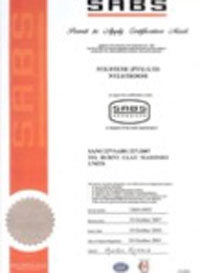
SABS
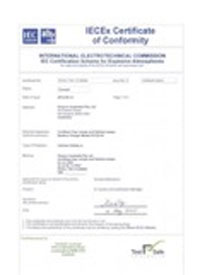
TESTSAFE
Different industries present unique operating challenges, necessitating tailored electrical and mechanical drive setups.
Refineries run continuously under high relative humidity, thermal stress, and corrosive atmospheres containing hydrogen sulfide. Our custom drive systems use multi-barrier seal rings and internal chemical-resistant treatment to prevent internal gas ingress, supporting long service lives for primary pumps and compressors.
Underground mining involves risk of coal dust accumulation and mechanical shock. Brands like Morley provide explosion-proof traction and conveyor motors constructed with heavy, thick steel plates and reinforced copper end rings to withstand physical impacts and ambient combustible dust.
Marine environments require protection against high-salt corrosion. We supply systems featuring offshore-grade epoxy protective paint, stainless steel external components, and IP66 sealing to safeguard fans, pumps, and water injection platforms.
Operating globally requires localized support to navigate complex customs clearances, certification auditing, and field installation needs.
Our engineering team assists partners from the initial selection phase through to technical design submittals, ensuring shaft dimensions, terminal box layout, and electrical specifications align with onsite parameters.
We supply necessary documentation, including IECEx CoC certificates, ATEX EU Declarations of Conformity, CSA mark approvals, and localized test reports. This documentation streamlines customs clearance and site inspection processes.
Through Wolong's network of 39 global production facilities and regional warehouses, we maintain stocks of standard wear parts, including bearings, terminal boxes, and cooling fans, to minimize downtime in the event of component failure.
Answers to technical questions commonly raised by B2B engineers and procurement teams.
 NANFANG