Explore our premium high-efficiency synchronous, asynchronous, and explosion-proof electrical machinery manufactured to meet ATEX, IECEx, and NEMA standards.
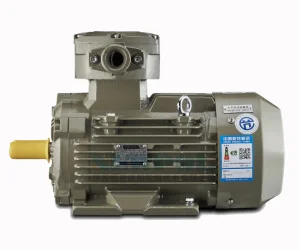
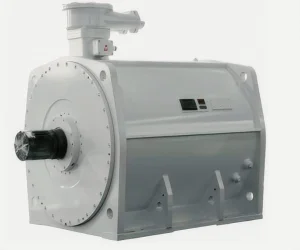
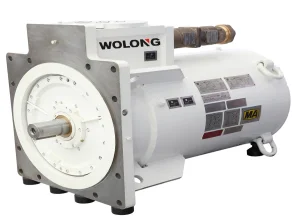
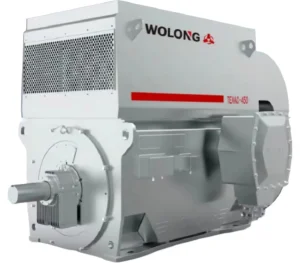
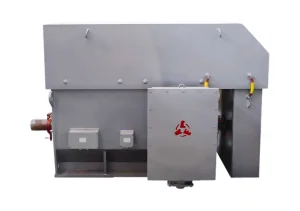
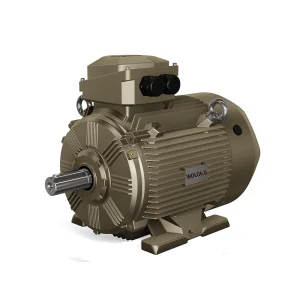
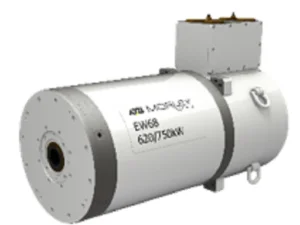
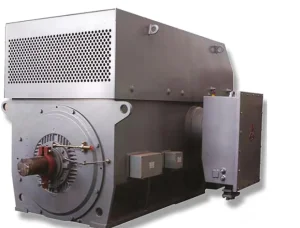
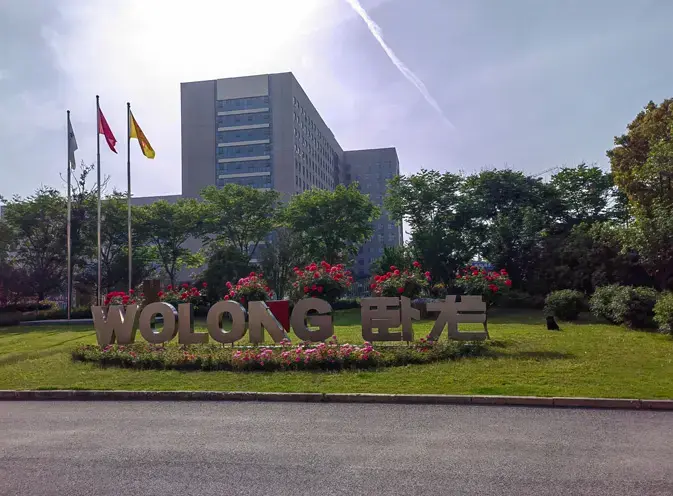
Shaanxi Nanfang Motor Technology Co., Ltd. stands as the authoritative, direct distributor of Wolong Electric Drive Group Co., Ltd. (founded in 1984, listed on the Shanghai Stock Exchange in 2002 under ticker SH600580). Over three decades of hyper-focused engineering and strategic corporate mergers have propelled Wolong to the absolute forefront of the global electric machine and drive control industries.
Today, Wolong operates a vast scientific network consisting of 3 main manufacturing bases, 39 state-of-the-art factories, and 3 global R&D centers. By integrating renowned historical industrial legacy brands including Brook Crompton, Morley, Laurence Scott, Schorch, ATB, OLI, and a strong partnership with General Electric (GE) Commercial and Industrial Motors, we provide unparalleled heavy machinery solutions to all corners of the globe.
By leveraging General Electric's historical commercial motor patents alongside Wolong's precision manufacturing clusters in China, we deliver high-voltage synchronous and induction machines that optimize power factors, improve grid compliance, and offer significant structural redundancy in continuous processing operations.
In-depth technical whitepaper on power grids, transient stability, and modern industrial motor applications.
The modern industrial ecosystem is undergoing a dramatic shift toward energy efficiency and decarbonization. In high-power applications (typically above 1 megawatt), large synchronous motors have emerged as the gold standard. Unlike standard asynchronous (induction) motors, synchronous machines operate at a constant speed regardless of load, making them exceptionally suited for high-torque, low-speed applications such as reciprocating compressors, ball mills, refiners, and municipal water pumps.
Power Factor Optimization: One of the primary advantages of synchronous motors is their ability to operate at a leading or unity power factor. By adjusting the DC excitation on the rotor, synchronous motors can inject reactive power (VARs) back into the electrical network, effectively acting as dynamic power factor correctors. This eliminates utility penalties, stabilizes bus voltage, and reduces losses in upstream transformers and switchgear.
Distributed Synchronous Condensers (DSC): With the rapid integration of intermittent renewable energy sources (wind and solar) into utility grids, grid inertia has decreased. China is leading the global expansion in utilizing synchronous condensers (specialized synchronous motors running without mechanical load) to provide dynamic reactive power, voltage support, and short-circuit current contributions to transmission networks. Our factory is at the absolute forefront of this technological segment, producing advanced distributed synchronous condenser systems.
How Wolong Electric strategically acquired world-renowned motor brands to form a powerhouse of engineering knowledge.
In 2011, Wolong acquired 97.94% of the Austrian ATB Group, which includes the iconic Morley brand (mining industry Specialists since 130 years). Morley motors are synonymous with rugged underground coal mining equipment, manufacturing cutting-edge flameproof gear that ensures ultimate reliability in explosive atmospheres.
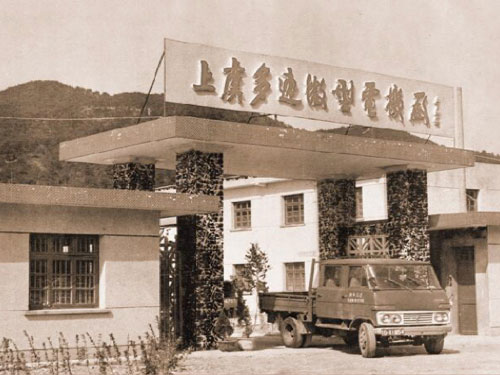
Established in 1882, Germany's Schorch joined Wolong in 2011, setting the standard for ultra-heavy-duty chemical and oil & gas motor drives. Alongside Laurence Scott (the pioneering supplier for British nuclear power plants and naval vessels), Wolong possesses industry-leading design capabilities for low-starting-current systems.
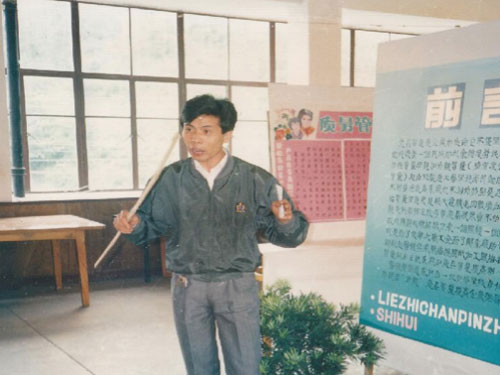
Brook Crompton brought over a century of expertise in building premium "W" and "10" series energy-efficient motors for harsh environments. Additionally, the strategic partnership with Italy’s OLI secures the dominant market share globally for industrial vibration motors and sensors.

In 2015, China's largest explosion-proof motor scientific research and production base, Wolong Electric Nanyang Explosion-proof Group Co., Ltd. (CNE), officially integrated into the Wolong Group, enabling localized scale with international engineering requirements.
This was followed in 2018 by the integration of General Electric (GE) Commercial and Industrial Motors division. As the oldest commercial developer of industrial electrical equipment, GE's design platforms provided massive technological support to Wolong's medium and high-voltage divisions, particularly for critical processes in petroleum extraction, chemical plants, water treatment, and metallurgical complexes.


Supplying complex driving systems to petrochemical test stations and tunnels globally.
The largest global footprint for heavy-duty industrial electric vibrators and sensors.

Unifying high-grade electrical design with high-volume, highly optimized Chinese manufacturing clusters.
A deep breakdown of the raw materials, structural layouts, and electromagnetic design that guarantee extreme reliability.
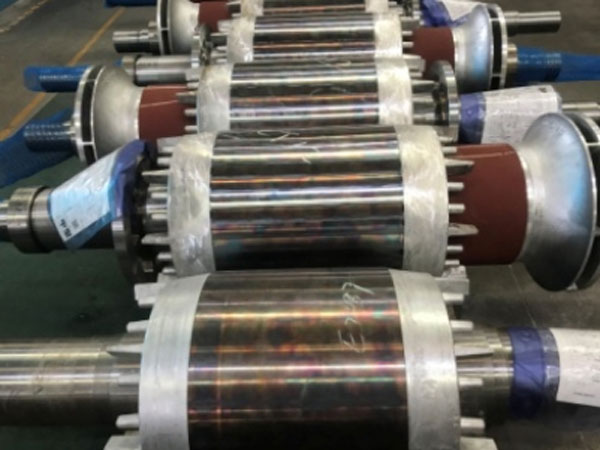
The design uses a heavy-duty squirrel cage or wound rotor design. For low-voltage standard induction platforms, centrifugal aluminum casting or high-pressure die-casting processes are employed. Molten pure aluminum is poured into the lamination slots to form unified rotor bars and end rings in a single-piece construction.
For larger high-voltage synchronous and induction motors, we utilize copper bar rotors featuring advanced copper-alloy bar securing methods and medium-frequency induction welding for the end rings. High-speed rotors are equipped with high-yield strength retention rings to prevent centripetal deformation under transient overspeed scenarios.
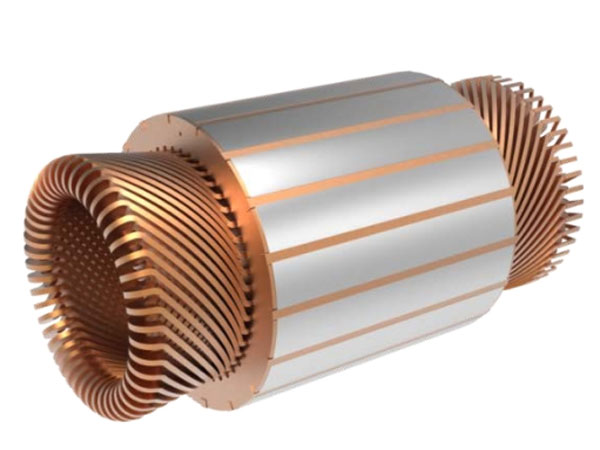
The stator core is stacked using low-loss, silicon steel laminations to minimize eddy current losses. The coil windings are wrapped using high-purity polyester film-backed mica tape or medium-powder mica tape with excellent dielectric properties.
The completed core undergoes a comprehensive Vacuum Pressure Impregnation (VPI) cycle. After being pre-heated, vacuum-drawn, and flooded with high-temperature epoxy solventless varnish, the stator is baked to cure into a solid, moisture-impermeable structure. This process eliminates internal air pockets, enhancing heat transfer and electrical insulation lifespan.
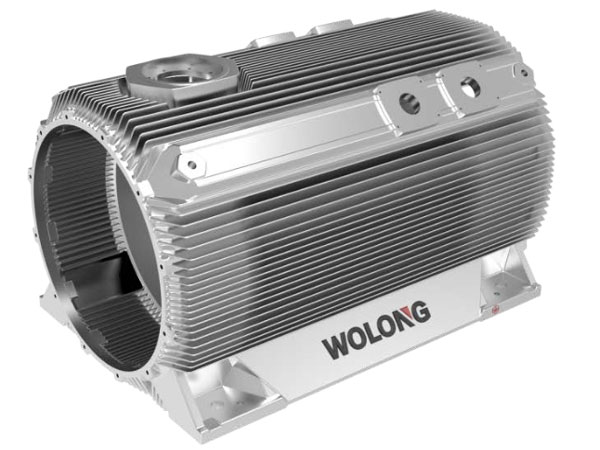
Our motor housing structures are engineered utilizing fully digital platforms for structural mechanics, thermal fields, and fluid multi-physics simulations. We select high-strength gray cast iron or welded carbon steel to construct a frame with high structural stiffness and natural frequency margin spacing.
This rigid structural configuration provides excellent absorption of mechanical shocks and vibrations, ensuring long bearing life and minimal acoustic footprint during sudden grid load variations or startup transients.
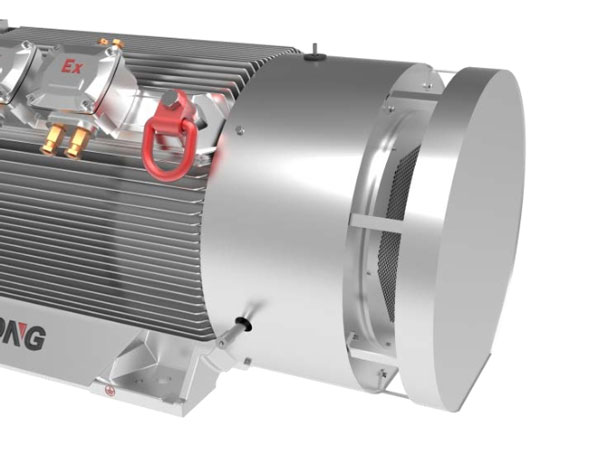
The low-noise ventilation system integrates a computational fluid dynamics (CFD) optimized fan blades, air guide cylinder, high-strength protective window mesh, and noise-damping acoustic panels.
By utilizing sound-absorbing insulation composites and optimized aerodynamic paths, we minimize turbulent flow, reducing aerodynamic noise. The fan hoods provide an IP22 rating minimum, preventing operator contact while sustaining max volume airflow for internal thermal balance.
A photographic tour inside our high-voltage synchronous motor factories, testing stations, and final processing bays.
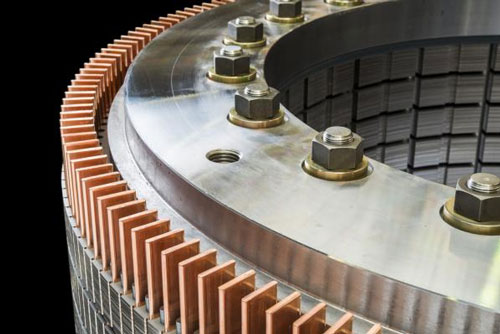

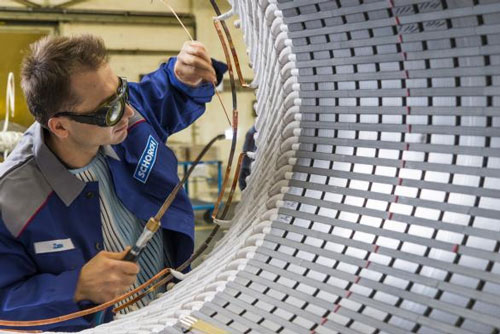
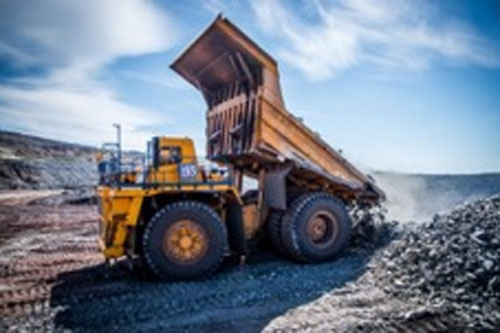
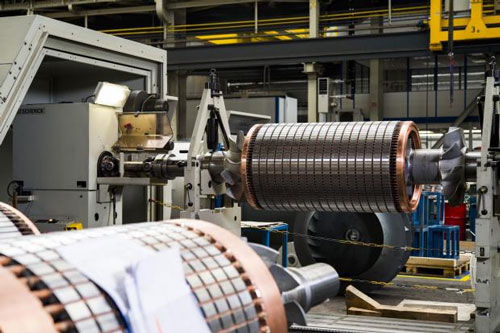
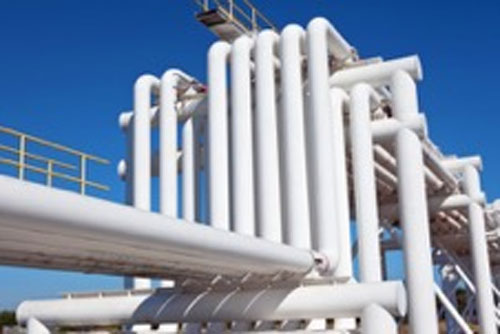

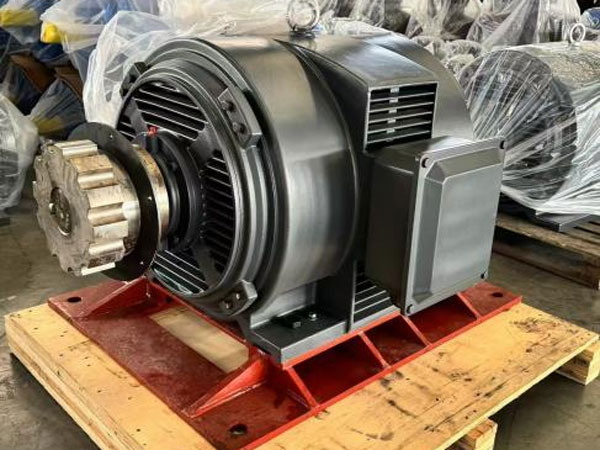
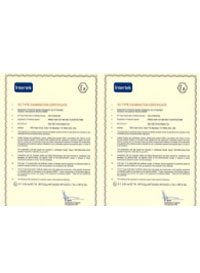
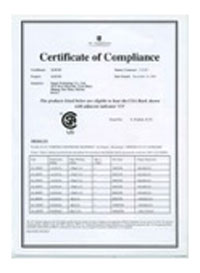
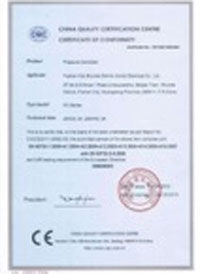
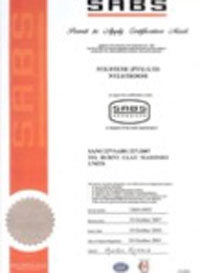
We comply with international design standards to guarantee safety in explosive, mining, and high-safety maritime domains.
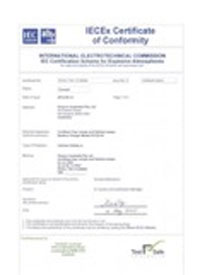
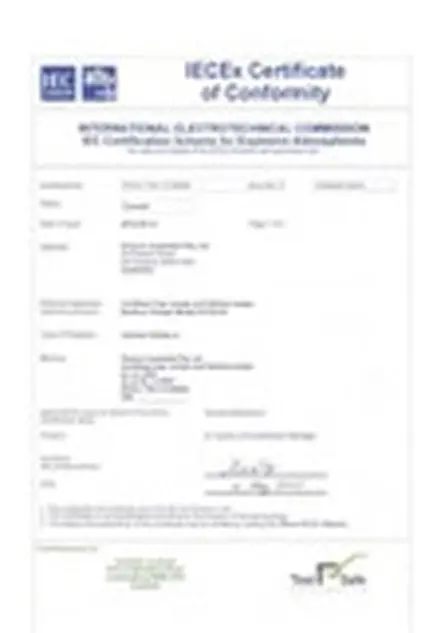
Penetrating specialized global markets requires absolute adherence to region-specific grid codes and electrical insulation norms. Wolong products maintain full certification across multiple standardized protocols.


Deploying specialized synchronous and asynchronous motors across critical infrastructure and hazardous process industries.
Utilizing explosion-proof designs like the YBX4 and ATB TBVF range to drive reciprocating compressors, massive fans, and fluid pumps in areas where hydrocarbons present high risks.
Deploying Morley-branded conveyor motors, YBC series coal shearers, and YBSD flameproof three-phase motors. These designs feature thick cast iron frames to handle dust, moisture, and high impacts.
Implementing distributed synchronous condenser systems to support large solar farms, HVDC terminals, and remote wind installation buses, maintaining stable reactive currents and system voltage.
Our global distribution system is supported by regional engineering warehouses in China, Vietnam, Germany, Austria, and Mexico, ensuring fast turnaround times and immediate local technical support.
Where high-capacity electric machine manufacturing is heading over the next decade.
By removing the field winding excitation losses, PMSMs achieve up to IE5 ultra-efficiency classification. They reduce rotor mass, lower bearing operating temperatures, and provide high power density. Line-start PMSM technology eliminates VSD starting requirements under constant speed profiles.
By embedding multi-axial vibration sensors (such as OLI Ex-certified accelerometers) and resistance temperature detectors (RTDs) directly into stator cores and bearings, modern installations feed continuous operational telemetry to central SCADA systems. Artificial intelligence models then predict winding insulation breakdown or bearing fatigue before a critical trip occurs.
Addressing crucial engineering, configuration, and operation queries from electrical designers and project procurement managers.
A: Synchronous motors operate at exact synchronous speed determined by grid frequency and the number of stator poles, without rotor slip. They typically operate at unity (1.0) or leading power factors, injecting reactive power back into the grid. Asynchronous motors always operate with a slip, requiring reactive power from the grid, which lowers the system power factor. Furthermore, synchronous motors are highly efficient in low-speed, high-pole installations (e.g., 20 poles, 300 RPM).
A: A distributed synchronous condenser is essentially a synchronous motor running without active mechanical load. When grid voltage drops, the excitation controller over-excites the rotor, causing the machine to behave as a capacitor and inject reactive power to boost voltage. If grid voltage surges, it operates under-excited, absorbing reactive power. This provides crucial inertia and voltage support to balance grid fluctuations caused by wind and solar variability.
A: Standard varnish dipping leaves microscopic air voids in winding layers. Under high voltage (e.g., 6kV to 13.8kV), these voids suffer partial discharge, degrading insulation and leading to phase-to-ground faults. The VPI process removes all air pockets, replacing them with cured epoxy resins to improve dielectric strength, seal out moisture, and enhance thermal dissipation.
A: For Zone 1 hazardous environments, we design flameproof enclosures (Ex d) or increased safety frames (Ex e). Flameproof housing is thick enough to contain internal electrical explosions without igniting gases in the surrounding atmosphere. Flamepaths are machined to precise tolerances to cool escaping gases below ignition temperature.
A: It depends on grid capacity. Large synchronous motors can be designed with rotor-embedded damper windings (amortisseur bars) to start as induction motors directly on-line. Once speed reaches 95-97% of synchronous velocity, DC field excitation is applied, pulling the rotor into synchronism. However, for grids with strict inrush current limits, we implement Variable Frequency Drives (VFDs) or soft starters to ensure smooth ramp-ups.
A: Australia has some of the world's strictest mining safety guidelines. The TestSafe standard confirms that our explosion-proof electrical machinery meets specific regional test criteria. This allows us to supply heavy conveyor drives, cutting heads, and ventilation motors directly to Australian mine operators.
Select specialized permanent magnet synchronous designs, variable frequency systems, and distributed condensers.
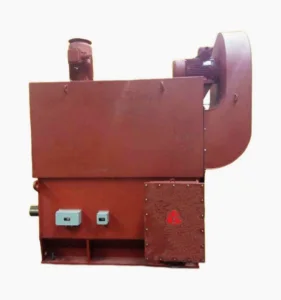
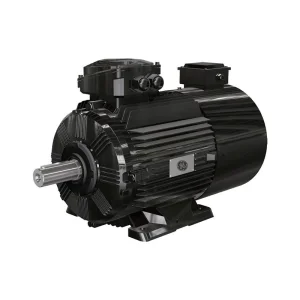
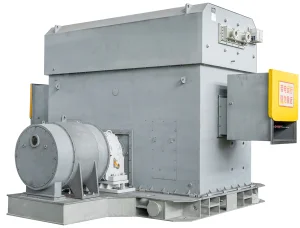
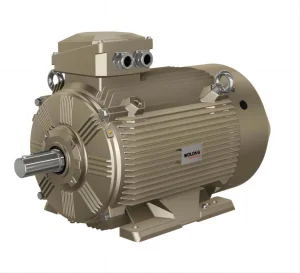
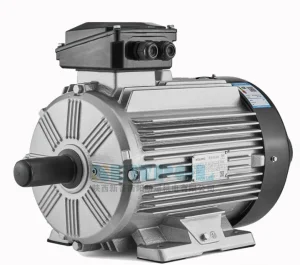
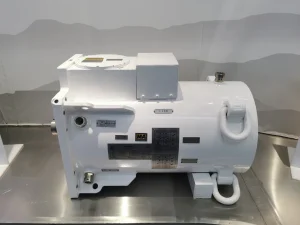
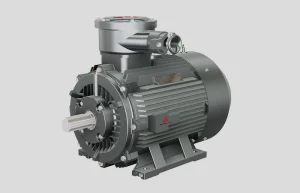
Connect directly with our applications engineers to calculate starting currents, load torques, and structural natural frequencies.
Contact Engineer NANFANG