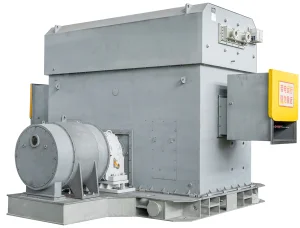
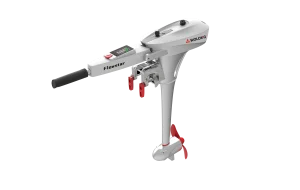
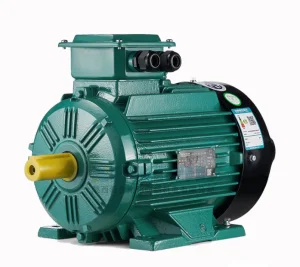
Explore our elite range of heavy-duty, energy-saving, and certified explosion-proof synchronous & asynchronous motors engineered for extreme environments.
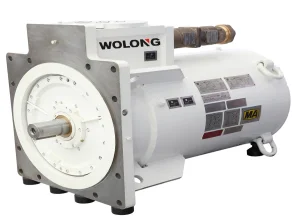
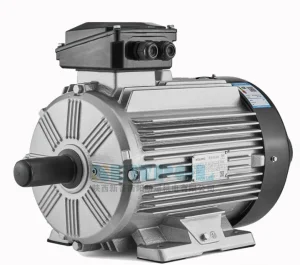
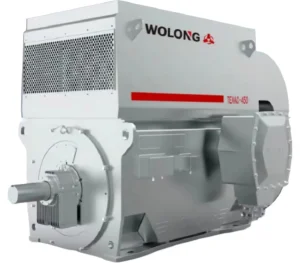
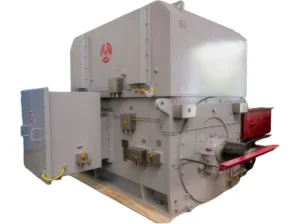
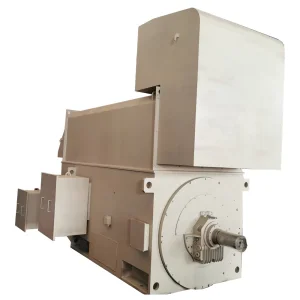
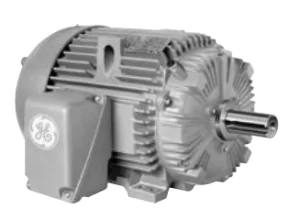
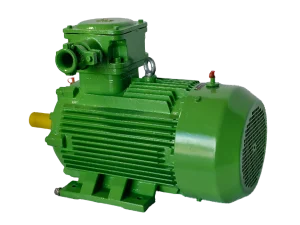
Electric motors drive modern industry, consuming roughly 45% of global electrical energy and upwards of 70% in highly intensive industrial operations. Transitioning to energy-efficient motor topologies is no longer just a voluntary carbon-reduction initiative; it is a critical regulatory and cost-containment imperative. With international standards shifting rapidly toward IE3, IE4, and IE5 energy class benchmarks, companies must partner with manufacturers capable of delivering robust performance under extreme operating conditions.
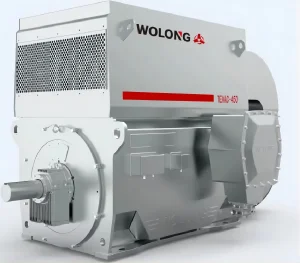
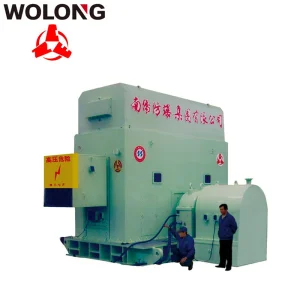
As the authorized distributor of Wolong (Wolong Electric Drive Group Co., Ltd), Shaanxi Nanfang Motor Technology Co., Ltd. offers access to a globally consolidated powerhouse of motor and control technology. Through strategic acquisitions of iconic, century-old brands—including ATB, Brook Crompton, Schorch, Morley, Laurence Scott, and OLI—Wolong has structured a supply chain capable of serving the most demanding operations, from deep-shaft mining and offshore oil platforms to nuclear power generation plants.
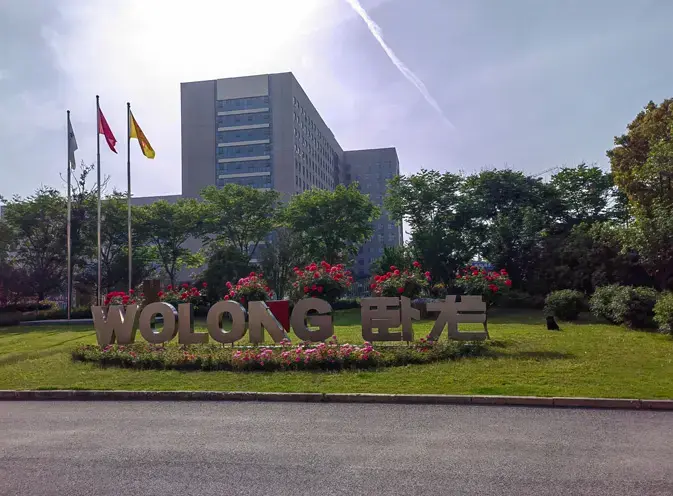
A unified network combining European engineering legacy with advanced global manufacturing capacities.
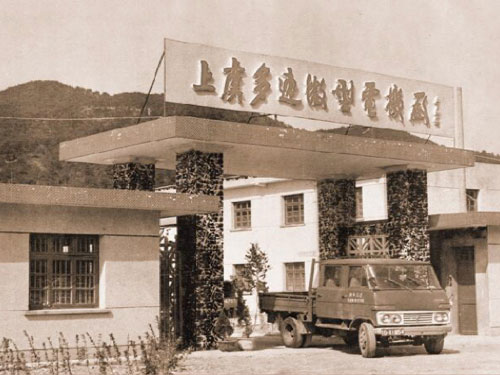
Shaanxi Nanfang Motor Technology Co., Ltd is proud to stand behind Wolong, founded in 1984 and listed on the Shanghai Stock Exchange in 2002 (SH600580). Today, our dynamic capabilities span the global manufacturing landscape, delivering reliability and efficiency at scale.
Understanding the massive transition toward high-efficiency industrial machinery.
The industrial landscape is witnessing a structural shift in how power systems are designed and evaluated. The global market for energy-efficient electric motors is projected to sustain double-digit annual growth rates over the coming decade. This boom is driven by three main factors:
While the purchase price of an electric motor constitutes less than 2% of its lifetime operating cost, electricity consumption represents over 95%. Higher initial investments in IE4 and IE5 technologies typically yield full payback within 12 to 24 months, followed by years of direct operational savings.
Regulatory frameworks, such as the EU Ecodesign Regulation 2019/1781 and the American NEMA Premium standards, have progressively banned lower-efficiency models. In many jurisdictions, IE3 has become the baseline requirement, and IE4 is mandatory for power ranges between 75 kW and 200 kW.
Corporate sustainability mandates (Scope 1 and Scope 2 emissions reduction) require industrial facilities to optimize their utilities. Deploying energy-efficient drivetrains is a highly effective way to achieve these carbon targets on a large scale.
The integration of global electric motor pioneers under Wolong's technological leadership.
Our global competitive advantage stems from the strategic convergence of legendary industrial motor brands. Each acquisition has infused our engineering portfolio with specialized expertise, robust design platforms, and crucial industry certifications:
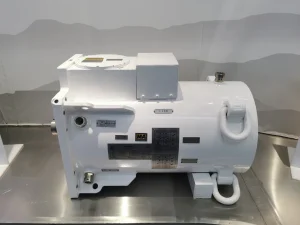
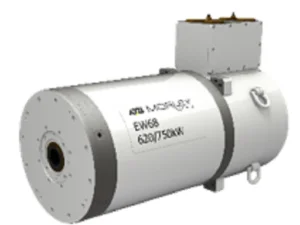
Acquired in 2011, ATB is a leading European motor manufacturer. The transaction brought the 130-year legacy of Morley mining motors into the group. Renowned for power and reliability in heavy-duty conveyor belts and coal mining cutters, ATB represents the pinnacle of explosion-proof safety.
Laurence Scott is famous for low starting currents and high-reliability systems for nuclear facilities and naval generators. Schorch (founded in 1882) is a premier supplier of high-efficiency driving systems for demanding sectors like chemicals, oil, gas, and advanced test stands.
Brook Crompton provides extensive expertise in high-efficiency design with the "W" and "10" series low-voltage AC motors. In 2018, GE's commercial and industrial motor division joined the network, expanding our reach in heavy industries like water treatment, paper, and materials processing.
Furthermore, the group's capabilities are rounded out by OLI, a global leader in high-performance electric vibration motors and sensor systems, and Nanyang Explosion-proof Group (CNE), China's largest research and production base for hazardous area motors. This network delivers a comprehensive range of motors designed to perform in the world's most demanding environments.


Rigorous certification standards allow our motors to operate in hazardous, extreme, and regulated international markets.
Entering global markets requires adherence to stringent regulatory frameworks. We maintain a comprehensive suite of international certifications to ensure our products meet mechanical and electrical standards across diverse jurisdictions:
ISO 9001 Ex Compliance: Certified quality management systems verify that every motor, from structural casting to final stator winding, meets global standards for consistency and reliability.
NEMA Standards (North America): Built to satisfy NEMA mechanical and electrical performance requirements, including testing for starting current, breakdown torque, insulation resistance, and vibration profiles. Low-voltage models carry UL and CSA approvals.
IECEx & ATEX Directives (Europe & Global): Mandatory for equipment deployed in explosive atmospheres. Our flameproof and increased-safety designs are certified for safe operation in ATEX Zones 1, 2, 21, and 22.
TESTSAFE Certification: This qualification establishes compliance for mining machinery and motors imported into Australia and Oceania, opening key markets for heavy-duty coal extraction equipment.
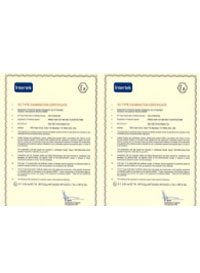
Nemko/Atex
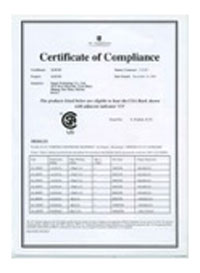
CSA
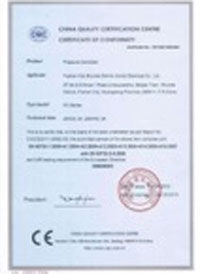
CE
CCC
SABS
TESTSAFE
A detailed look at the mechanical components and precision manufacturing that define our products.
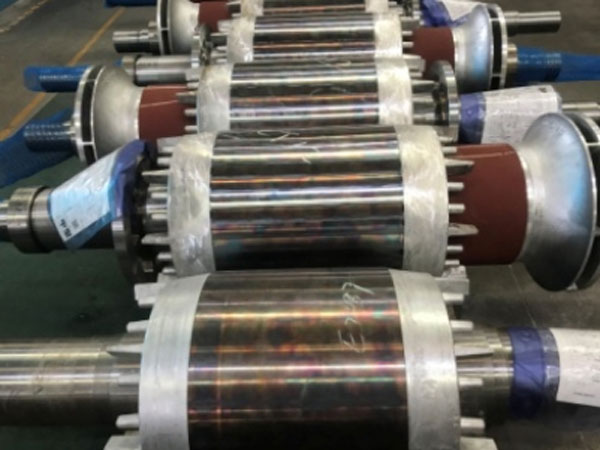
Our rotors feature a robust squirrel-cage design. Cast aluminum rotors are produced using centrifugal casting or high-pressure die-casting, forming a single component that integrates the rotor bars and end rings. This structural integrity ensures mechanical reliability and optimal torque properties.
For larger-capacity motors, copper bar rotors are used, utilizing reliable bar-securing and end-ring welding procedures. High-speed models also incorporate alloy retaining rings to protect the copper bar rotor under extreme centrifugal stresses.
The core stator windings use high-purity copper wire wound around premium silicon steel laminations to minimize hysteresis losses. The coil insulation is constructed from high-grade polyester film reinforced with glass cloth, using low-powder mica tape with high mica content.
Every stator assembly undergoes a Vacuum Pressure Impregnation (VPI) cycle, creating a void-free, solid insulation structure. This process delivers outstanding electrical performance, high mechanical strength, moisture resistance, and thermal stability in harsh environments.
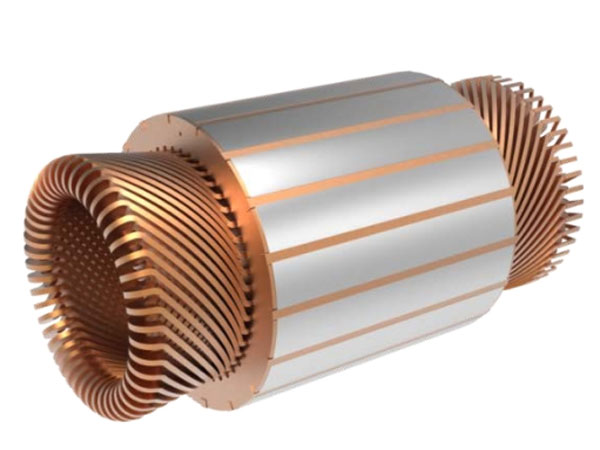
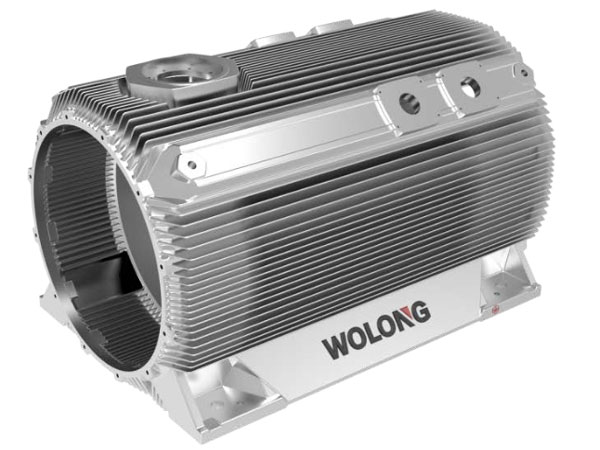
Our motor frames are engineered using a digital platform for structural and fluid multi-physics simulations. Manufactured from high-strength cast iron (or steel as an alternative), they feature high structural margins, excellent heat dissipation, and built-in vibration isolation.
This design is built to withstand mechanical shocks, maintain low vibration levels under load, and optimize airflow to prevent temperature spikes in the motor core.
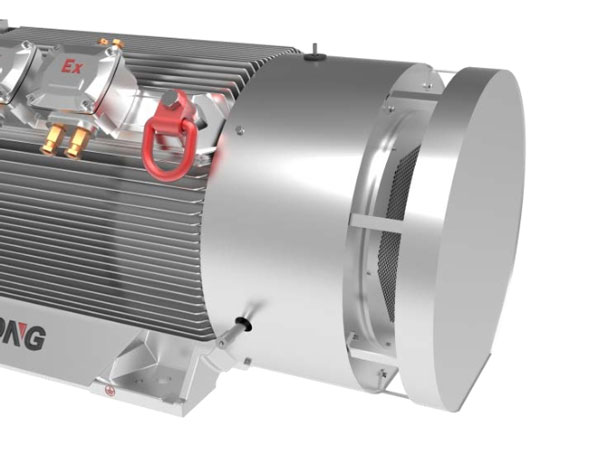
The ventilation system consists of an engineered fan cover, an air guide cylinder, a protective window, and a silencer plate. The side-entry air inlet optimizes airflow pathing, avoiding obstacles behind the motor and reducing noise from turbulence.
By incorporating sound-absorbing materials, the system lowers the overall operating noise profile. Additionally, the fan cover is rated IP22, preventing accidental contact with the rotating fan blades.
Developing next-generation electric motor technologies to power tomorrow's industries.
Our research and development pipeline focuses on driving efficiency forward while integrating smart features. The key pillars of our technical roadmap include:
Integrating vibration sensors, thermal probes, and acoustic monitoring modules directly into the motor frame. These sensors feed data to cloud-based predictive maintenance systems, preventing unplanned downtime through real-time anomaly detection.
Transitioning from induction motors to Permanent Magnet architectures for applications requiring variable speeds and compact frames. PMSMs deliver high torque density and maintain efficiency across a wide speed range.
Refining stator and rotor slot configurations, using high-induction silicon steel laminations, and reducing windage losses to achieve the IE5 efficiency standard. This design significantly lowers energy consumption compared to standard IE3 motors.
Engineered for reliability in critical infrastructure and demanding industrial applications.
Our motors are designed to meet the demands of various industrial sectors, providing tailored solutions for challenging operational requirements:
Refineries and gas processing plants operate in atmospheres containing explosive gases and vapors. Our certified explosion-proof motors (such as the YBX5 and NEXP series) feature flameproof enclosures that contain internal explosions, preventing ignition of the surrounding atmosphere.
Underground coal mining demands dust-tight, highly durable equipment. The YBK3 and YBS series are engineered with robust cast iron frames, high-specification bearings, and moisture-resistant VPI stator insulation to handle shock loads, abrasive dust, and humid environments.
Saltwater environments demand corrosion-resistant materials and robust electrical protection. Our YQ series low-voltage marine motors feature DNV Type Approval, offshore-grade painting systems, and IP56 or IP66 enclosures to withstand washdown conditions.
For large-scale utility and grid stability solutions, we provide Distributed Synchronous Condenser Systems. These systems generate or absorb reactive power, stabilizing voltage profiles on grids with high penetration of renewable energy resources.
Expert answers to common engineering questions regarding high-efficiency and explosion-proof motors.
Explore our specialized electric motors for marine applications, synchronous systems, underground mining, and safety-critical environments.
 NANFANG