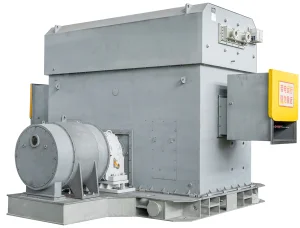
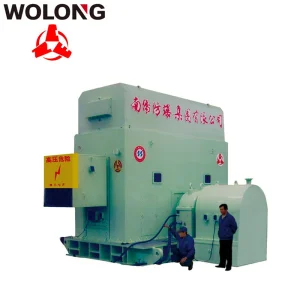
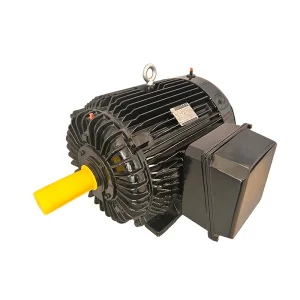
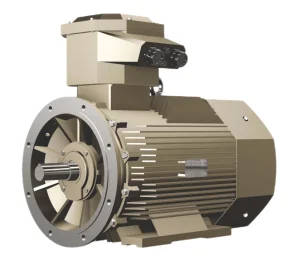
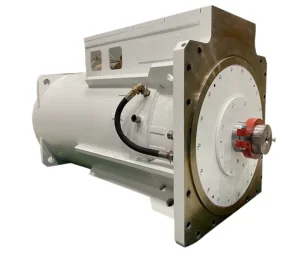
Engineered to operate under rigorous conditions across demanding industrial settings, providing optimized power factor management and peak efficiency.
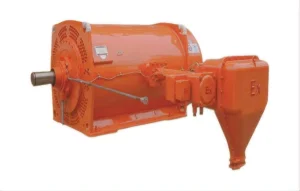
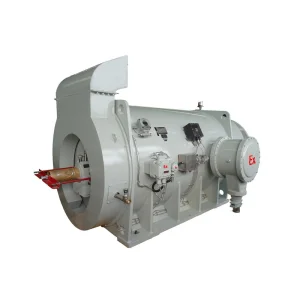
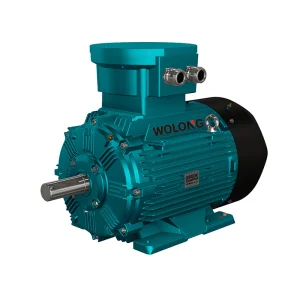
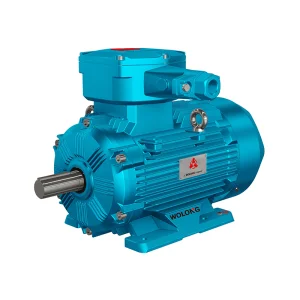
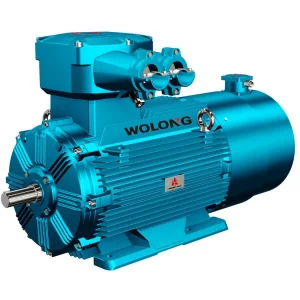
Harnessing the design depth of world-renowned motor brands and global production networks to deliver leading industrial solutions.
As the authorized distributor of Wolong (Wolong Electric Drive Group Co., Ltd), we bring together elite manufacturing lines, research facilities, and logistics pipelines. Wolong was founded in 1984, successfully listing on the Shanghai Stock Exchange in 2002 (code: SH600580). Over nearly four decades of strategic growth, Wolong has expanded its footprint globally, managing 3 core manufacturing hubs, 39 advanced factories, and 3 high-capacity R&D centers.
This integration enables our engineering team to supply customized permanent magnet synchronous motors (PMSM), brushless excitation machines, and distributed synchronous condensers that conform to regional electrical parameters, offering global enterprises a highly efficient procurement pipeline.

Wolong has integrated the historical expertise of several industrial motor brands to build a comprehensive global portfolio.
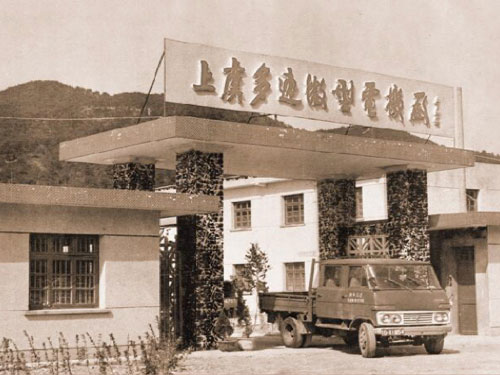
Acquired in 2011, Austria's ATB is a leading European motor manufacturer. This integration brought advanced design capabilities to our high-voltage synchronous and explosion-proof motor series.
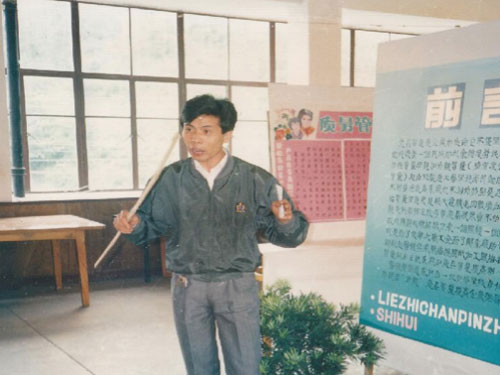
A pioneer in motor engineering with over a century of history, specializing in highly efficient low, medium, and high voltage AC motor designs, including the W and 10 series.
Established in Germany in 1882, Schorch specializes in driving systems for petrochemicals, oil and gas, shipbuilding, and infrastructure test stations.

Known for specialized, low-starting-current motor designs, Laurence Scott serves demanding applications like naval vessels and nuclear power generation plants.

Specializes in heavy-duty underground mining motors, with a long history of supplying explosion-proof electrical equipment.

Nanyang (CNE) joined in 2015 as a major explosion-proof motor base. In 2018, GE Industrial Motors joined, enhancing our capabilities in heavy-duty process industries.
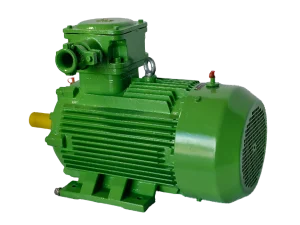
Designed to deliver high efficiency, energy savings, and compliance for hazardous environments.
Our explosion-proof motors hold global certifications including ATEX, IECEx, CSA, UL, EAC, and SABS. They are built to safely handle flammable gases, vapors, and combustible dust hazards.
Utilizing permanent magnet synchronous motor (PMSM) technology, we achieve IE4 and IE5 efficiency levels, helping heavy industries reduce power losses and energy consumption.
We configure frame structures, cooling systems (air-to-air, air-to-water, water-cooled), and shaft designs to integrate with existing equipment and electrical grids.
A detailed look at the component design and material choices that drive our motor reliability.
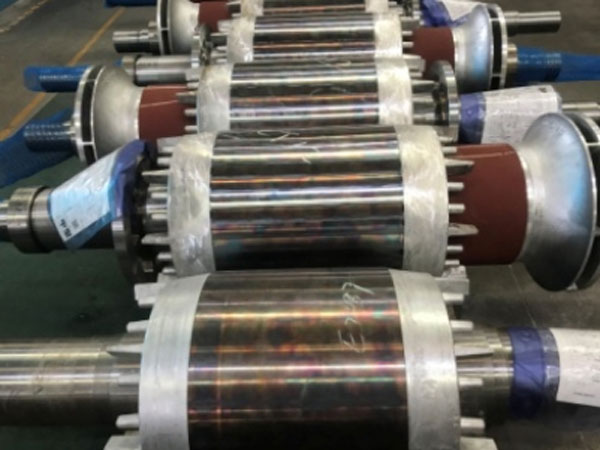
Our rotors are built using centrifugal or high-pressure die-cast pure aluminum for standard configurations, integrating the rotor bars and end rings into a robust, single-piece structure. This design provides reliable starting torque and mechanical durability.
For high-capacity, high-voltage motors, we use copper bar rotors with specialized bar securing and induction brazing processes. High-speed rotors also feature alloy containment rings to manage centrifugal stress at rated speeds.
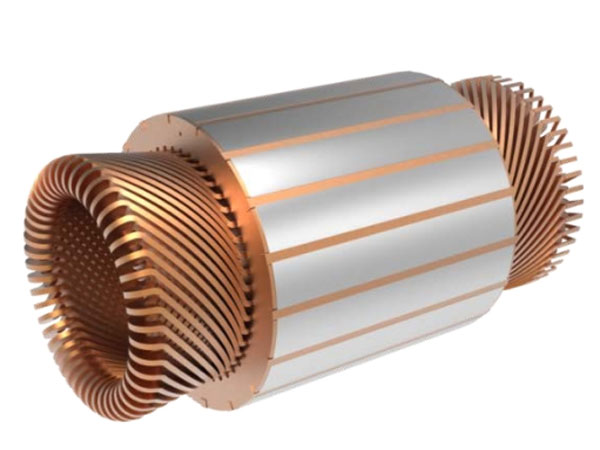
Stator coils are wound using double-glass-covered wire and insulated with high-grade polyester-film or mica tape. The complete stator assembly undergoes a Vacuum Pressure Impregnation (VPI) process with Class H or Class F solventless resins, curing into a solid, moisture-resistant structure.
This process eliminates air voids within the slots, improving thermal conductivity, mechanical rigidity, and resistance to corona discharge in high-voltage applications.
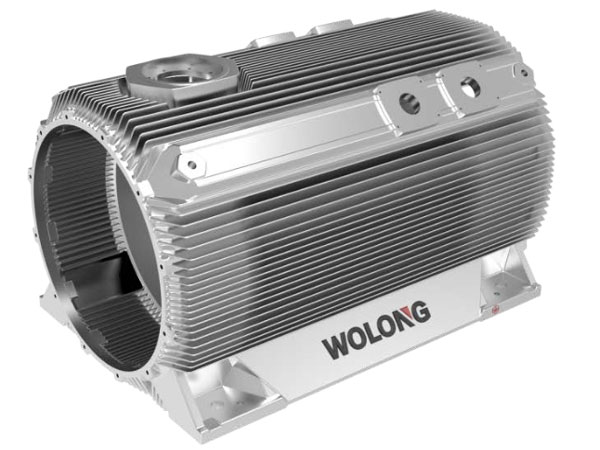
We use high-tensile cast iron or fabricated structural steel frames, optimized through multi-physics finite element analysis (FEA). This design ensures proper thermal dissipation and structural rigidity to handle mechanical shock loads.
The frame is engineered with vibration-dampening qualities and resonant frequency isolation margins to keep operational noise and vibration levels within strict limits.
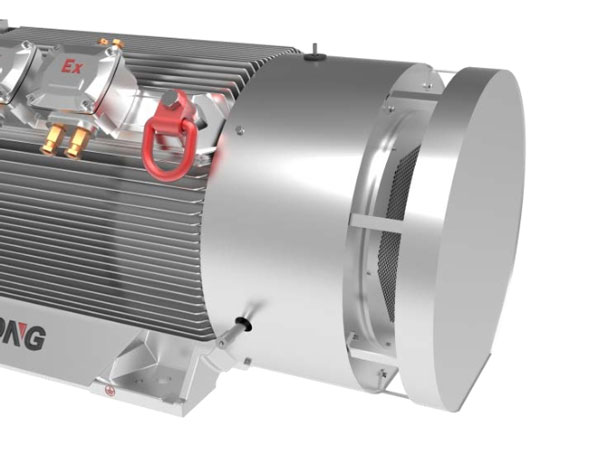
The ventilation system consists of an aerodynamic fan, air guide cylinder, protective window, and acoustic silencer elements. The fan cover features a side-entry inlet design that helps bypass nearby structural obstacles to keep air intake paths clear.
This setup reduces air turbulence and aerodynamic noise. The fan cover meets IP22 protection standards, keeping moving parts safely enclosed while optimizing cooling airflow over the frame fins.
How our industrial network enables cost efficiency, consistent quality, and on-time global delivery.
Our proximity to primary rare earth mining and processing hubs provides a stable supply of high-coercivity NdFeB (Neodymium Iron Boron) permanent magnets. This direct access protects our PMSM production lines from raw material shortages and cost volatility.
We source cold-rolled non-oriented silicon steel directly from major regional mills. Precision stamping and annealing lines minimize core losses (W/kg), ensuring high magnetic permeability and efficiency in the stator and rotor cores.
Our production facilities are surrounded by a complete industrial ecosystem, ranging from casting foundries and copper wire drawers to specialized bearing suppliers and testing centers. This localization shortens lead times for custom orders.
Matching critical electrical and mechanical parameters to meet international project requirements.
Large synchronous motors can cause voltage drops on weak electrical grids during startup. We design custom winding configurations and excitation control units (such as brushless excitation systems) to limit in-rush currents while meeting starting torque demands. This design aligns with utility grid requirements and helps prevent disturbances to adjacent machinery.
Modern applications frequently run synchronous motors on Variable Frequency Drives (VFDs) to optimize process flow. This can introduce high-frequency voltage spikes (dI/dt) that stress stator insulation. Our motors use reinforced insulation systems, insulated non-drive end bearings, and grounding brushes to prevent electrical bearing damage and extend winding life.
To support global trade and integration, our synchronous and asynchronous motors conform to major international mechanical and electrical standards. This compliance simplifies engineering approvals and field installation.
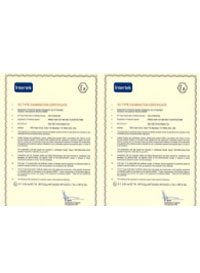
Nemko / ATEX
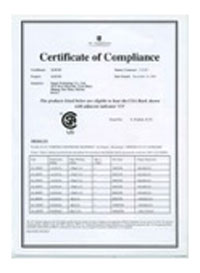
CSA Group
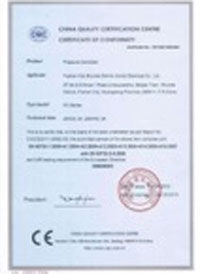
CE Standard
CCC Mark
SABS Standard
TESTSAFE
How our synchronous motor designs meet the performance demands of key process industries.
In refining and gas transport, safety is a primary requirement. Our explosion-proof synchronous motors (such as the TAW and YBBPX series) drive large reciprocating compressors and process pumps, running continuously in volatile environments.
Municipal water works and industrial pumping stations use synchronous motors to run high-capacity pumps. By operating at unity or leading power factors, these motors improve system voltage regulation and reduce overall plant power bills.
Heavy mining equipment, such as sag mills, ball mills, and ventilation fans, requires high torque at low speeds. Our synchronous motors are built to handle these heavy starting loads and survive in high-dust, high-vibration underground environments.
The engineering directions shaping the future of high-power driving systems.
Modern plant operations rely on predictive maintenance. We integrate temperature sensors, vibration probes, and flux coil sensors within the motor frame and winding slots. Connecting to cloud-based monitoring systems helps track insulation health, bearing wear, and operational temperature profiles in real time to prevent unplanned downtime.
As renewable energy sources like wind and solar grow, electrical grids can lose rotating inertia. Distributed synchronous condensers help stabilize grid frequency, manage reactive power (VAR), and maintain short-circuit strength. This role is increasingly important for utility grids transitioning away from fossil-fuel turbines.
Our production facilities use testing benches to verify mechanical tolerances, insulation values, and performance curves.
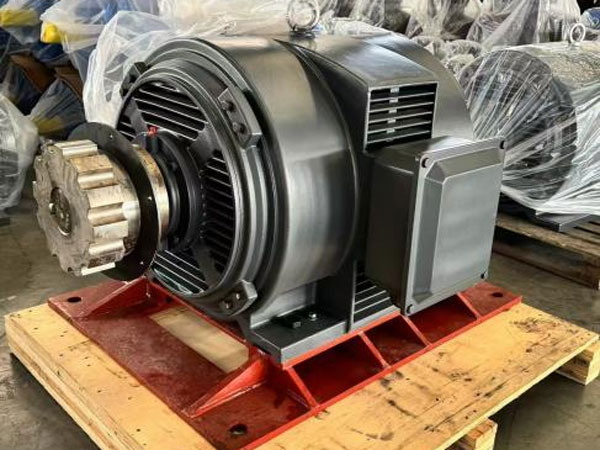
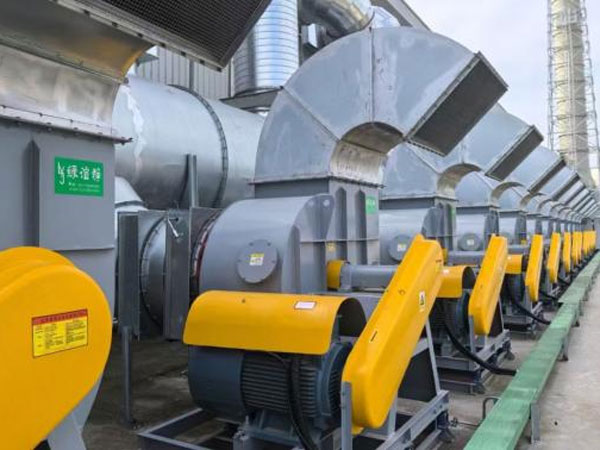
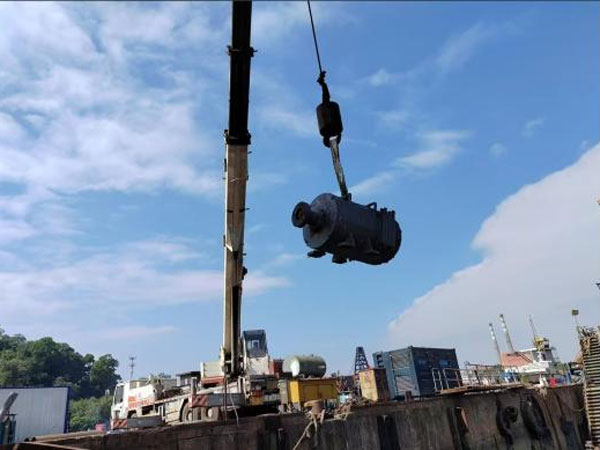
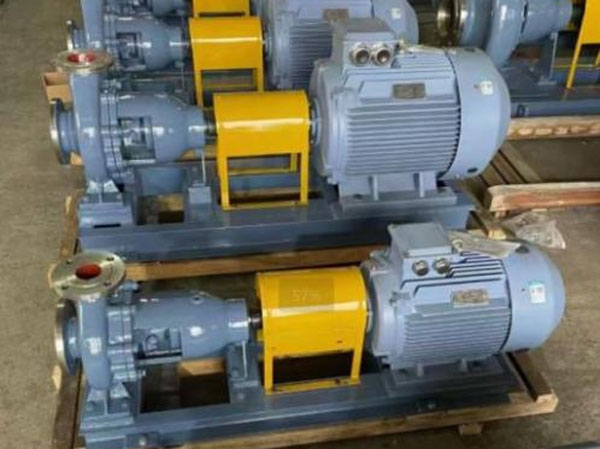
Key information regarding the application, operation, and specification of industrial synchronous motors.
Engineered for hazardous process environments, oil extraction pipelines, chemical facilities, and power plants.
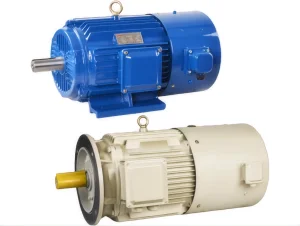
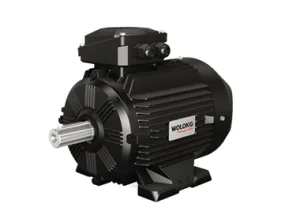
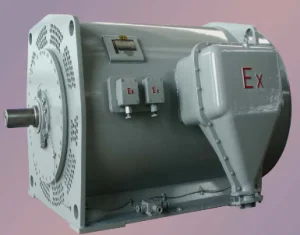
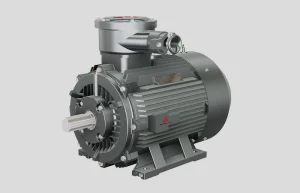
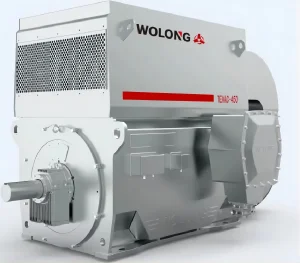
Discuss your operational parameters with our engineering team. We assist in matching specifications for high-voltage, explosion-proof, and custom synchronous driving applications.
Contact Our Engineering Team NANFANG