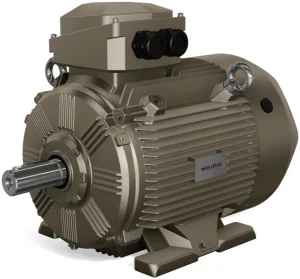
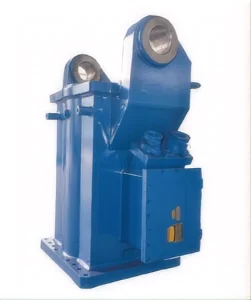
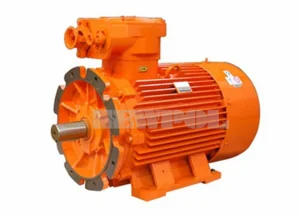
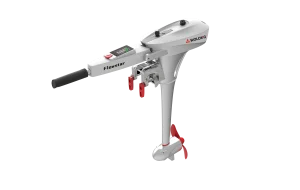
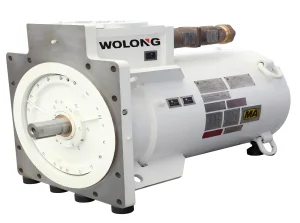
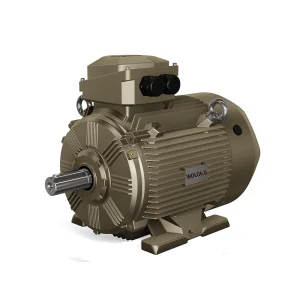
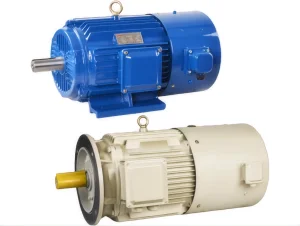
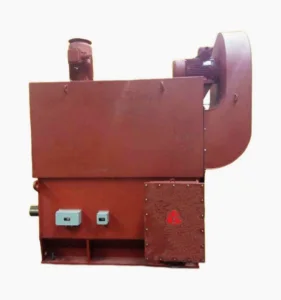
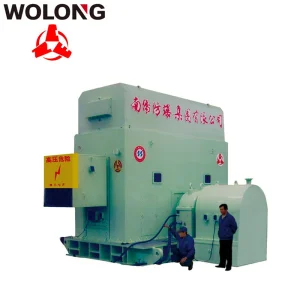
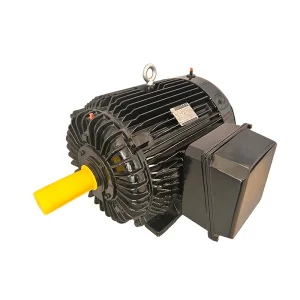
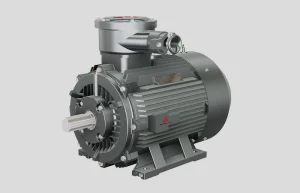
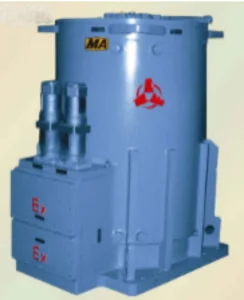
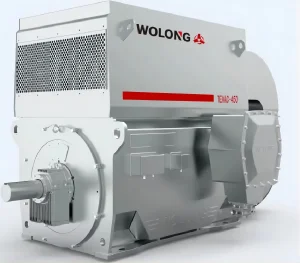
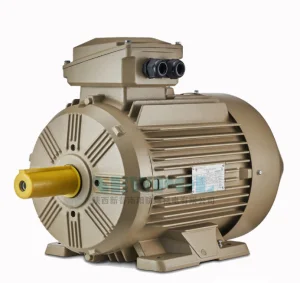
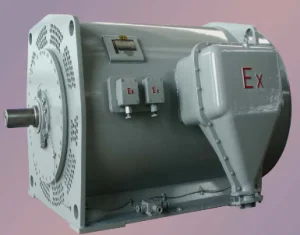
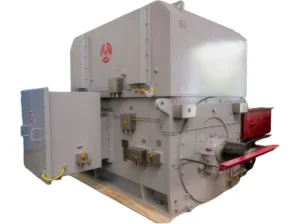
Premium 3-phase asynchronous and synchronous motors configured for maximum torque output at lower operating speeds.
In modern industrial automation, mining, maritime operations, and energy generation, optimizing drivetrain efficiency is no longer an optional upgrade; it is a regulatory and financial mandate. High-torque, low-RPM three-phase induction and synchronous motors represent a significant leap in power transmission engineering. By reducing the rated rotational speed (typically outputting nominal speeds between 375 RPM to 1000 RPM corresponding to 6-pole, 8-pole, 10-pole, or 12-pole designs at 50Hz/60Hz), these motors allow operators to run systems with reduced mechanical gear stages or even via direct-drive configurations.
Eliminating or minimizing the reliance on gearboxes addresses the single most common failure point in industrial drivetrains. It decreases mechanical backlash, curtails lubrication overheads, and dramatically lowers energy loss due to friction. The resulting integration increases overall system availability and ensures compliance with global eco-design requirements, such as Europe’s MEPS (Minimum Energy Performance Standards) and the IEC 60034-30-1 standard.
The fundamental relationship governing synchronous motor speed is defined by the formula: ns = (120 × f) / P, where f is the line frequency and P represents the number of poles. A higher pole count naturally yields a lower shaft speed. For a supplier or manufacturing company, constructing a high-quality 8-pole or 10-pole motor requires specialized winding layouts, precise stator slot geometry, and enhanced magnetic flux paths to combat potential losses in power factor.
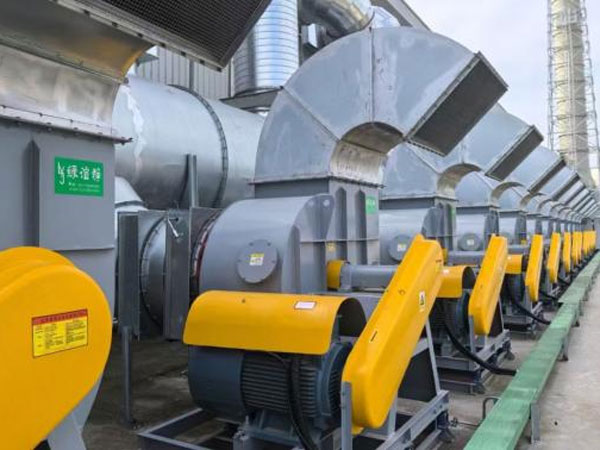
Industrial plants leveraging low-speed motors benefit from a high starting torque and superior overload capabilities. The high torque-to-inertia ratio makes these motors uniquely suited for high-mass startup loads, such as conveyor belts, reciprocating compressors, ball mills, and tunnel boring machines.
China's industrial electric motor sector has transformed from a cost-focused manufacturing base into a global epicentre for high-tech rotary machine research, development, and supply chain consolidation. By engineering and purchasing low RPM 3-phase motors directly from specialized Chinese facilities like Wolong and its authorized networks, international enterprises secure clear advantages:
A global network integrating century-old motor brands to provide state-of-the-art drive systems.
Shaanxi Nanfang Motor Technology Co., Ltd operates as the primary authorized distributor of Wolong. Wolong Electric Drive Group Co., Ltd was founded in 1984 and listed on the Shanghai Stock Exchange in 2002 (code SH600580). Over decades of targeted industry consolidation and engineering innovation, Wolong has grown to encompass 3 primary manufacturing bases, 39 advanced factories, and 3 localized R&D centers across the globe. Wolong focuses heavily on the design and manufacture of high-performance electric motors and digital drive control systems, making it a dominant leader in global power-transmission technologies.
By bringing the world's most trusted motor manufacturers under a single corporate umbrella, we offer unparalleled engineering depth.
Acquired in 2011 (97.94% shareholding), ATB stands as one of Europe's top three motor manufacturers. Headquartered in Austria, ATB incorporates legendary industrial names like Morley and Laurence Scott, providing custom low-starting-current solutions and rugged drivetrains for deep-coal mining and defense sectors.
With over a century of mastery in design and technology, Brook Crompton has been at the forefront of energy-efficient motor development. Their "W" and "10" series low and medium voltage motors are optimized for hazardous, high-vibration, and harsh operating settings globally.
Established in Germany in 1882, Schorch specializes in heavy-duty drive systems for oil & gas, water management, shipbuilding, and steel processing. Their engineering standards guarantee low noise emissions, reliable insulation under high loads, and robust durability.
Partnered since 1999, OLI represents the global standard for industrial vibration motors (MVE) and Ex-rated vibration sensors. They command the largest worldwide market share for construction, conveying, and material sorting vibration technologies.
Joining the group in 2015, China's largest research and production base for explosion-proof motors excels in designing flameproof HV/LV motors for petroleum refineries, chemical process plants, metallurgy, and nuclear installations.
Acquired in 2018, this division brings the legacy of commercial and heavy industrial engineering from GE. They specialize in high-capacity motors for water treatment, pulp & paper, mining, cement, and materials processing.
A deep look into the structural design and advanced components that enable long life cycles in our low RPM motors.
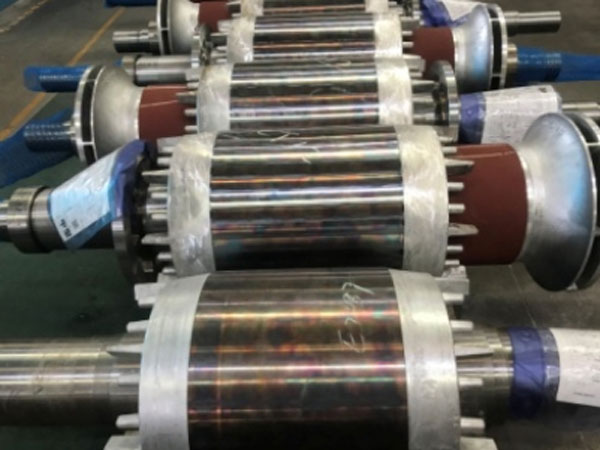
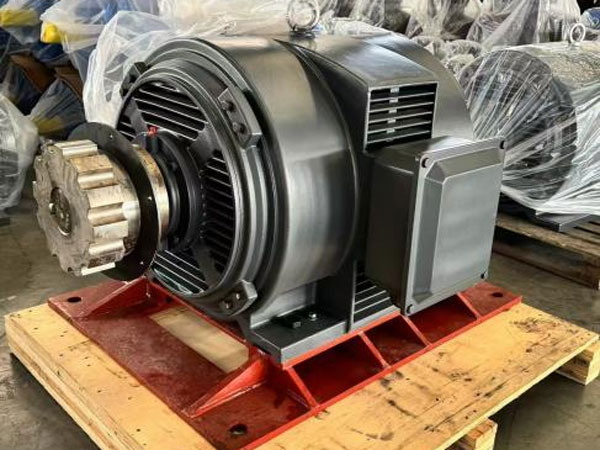
The rotor features a highly reliable squirrel cage design. For standard applications, cast aluminum rotors produced via centrifugal casting or high-pressure die-casting are utilized. This process flows molten pure aluminum directly into the slots of the pre-stacked rotor core, creating a single-piece component integrating rotor bars and end rings. The absolute structural integrity of this cast aluminum core ensures excellent starting torque and reliable slip control. For high-capacity, heavy-duty low speed motors, high-grade copper bar rotors are deployed. These feature robust bar securing and precision end-ring welding procedures, alongside dynamic retention ring designs to resist centripetal force and thermal expansion during heavy starting cycles.
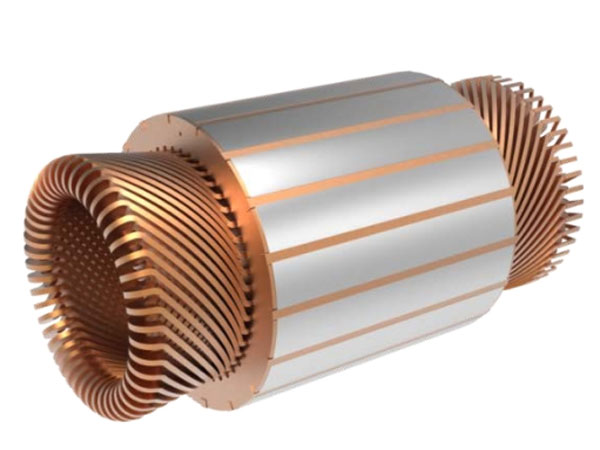
The stator coil winding is crafted from premium copper conductors wrapped in high-grade polyester film reinforced with glass cloth. We integrate low-powder or medium-powder mica tapes containing exceptionally high mica ratios. After winding insertion, the entire stator core undergoes a comprehensive VPI (Vacuum Pressure Impregnation) process. VPI completely evacuates air pockets and fills voids with solventless epoxy resin, converting the windings into a solid, moisture-resistant, and chemically inert monolithic structure. This ensures high dielectric strength, exceptional mechanical rigidity, and superior thermal dissipation under low RPM operation where self-cooling air flow is reduced.
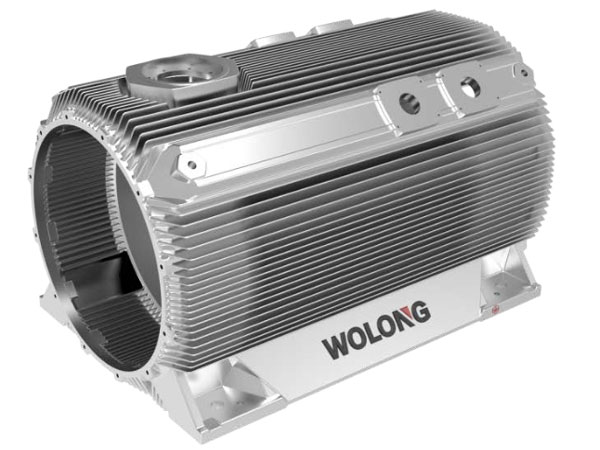
The structural frame of the motor is designed using a digital multi-physics simulation platform combining finite element analysis (FEA) and fluid thermal dynamics. Formed from high-strength cast iron or structural steel, the frame has built-in structural redundancy to absorb mechanical impacts and external pipe stresses. The optimized cooling fin layout maximizes convective heat dissipation, and the design ensures natural frequency isolation, keeping operational vibration values far below international standards.
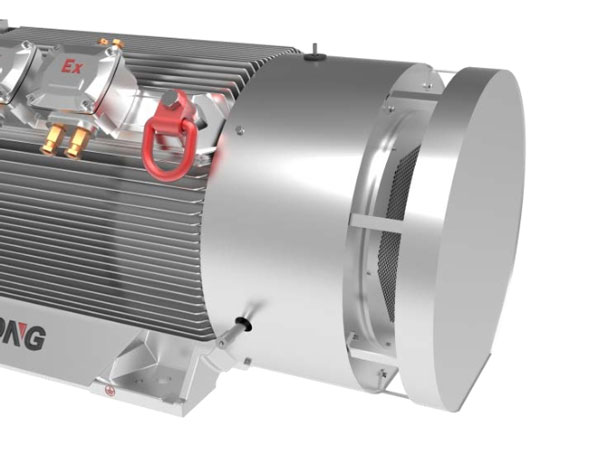
Our low-noise ventilation system integrates an engineered fan cover, directional air guide cylinders, a safety guard window, and internal silencer plates. By placing the air inlet on the side, we prevent aerodynamic bottlenecks behind the motor and lower sound levels caused by air friction. Incorporating advanced sound-absorbing composite materials helps dampen high-frequency fan whine. The assembly meets IP22 finger-safe ingress standards while maintaining optimal thermal airflow across the outer cooling ribs.
Our low RPM three-phase motors undergo rigorous validation to cross global market barriers easily.
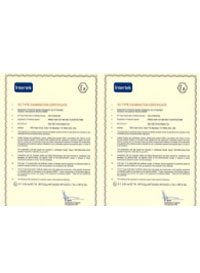
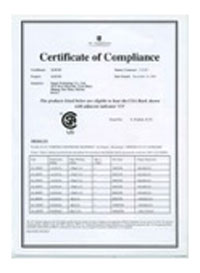
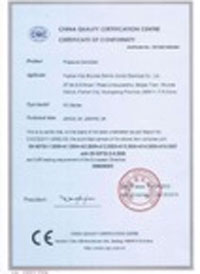
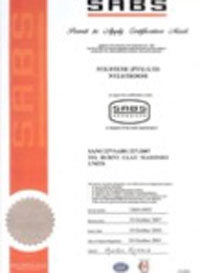
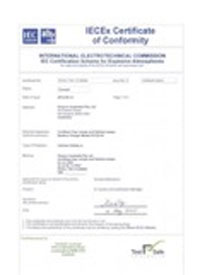
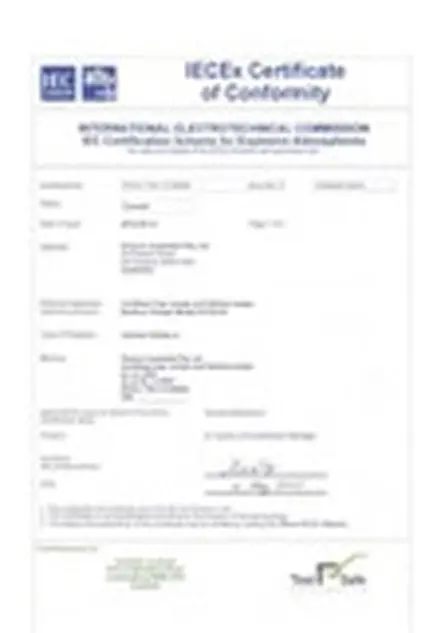
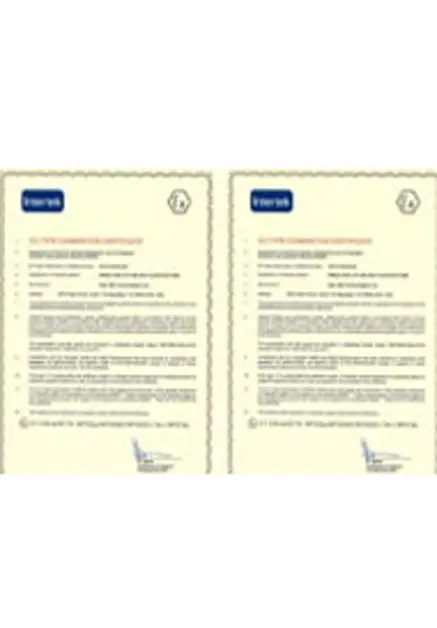
To successfully operate in volatile environments such as petrochemical plants, underground coal mines, and offshore marine vessels, motors must hold valid, internationally recognized documentation. Shaanxi Nanfang Motor and the Wolong Group maintain a comprehensive regulatory portfolio:
How our low RPM 3-phase electric motors drive efficiency across heavy industrial sectors.
Mining operations run 24/7/365 under extreme dust, humidity, and explosive gas conditions. Our flameproof low RPM motors (YBK3 and YBU series) provide high starting torque directly to coal face conveyors and heavy cutter heads on Tunnel Boring Machines, eliminating gearboxes and reducing maintenance downs.
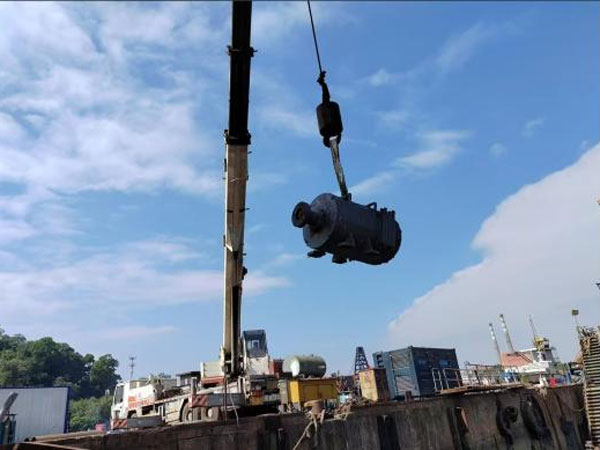
Saltwater and high humidity call for robust corrosion protection. The YQ Series low-voltage marine motors carry DNV Type Approval, offering reliable operation for shipboard winches, direct-drive marine thrusters, and safety bilge pumps.
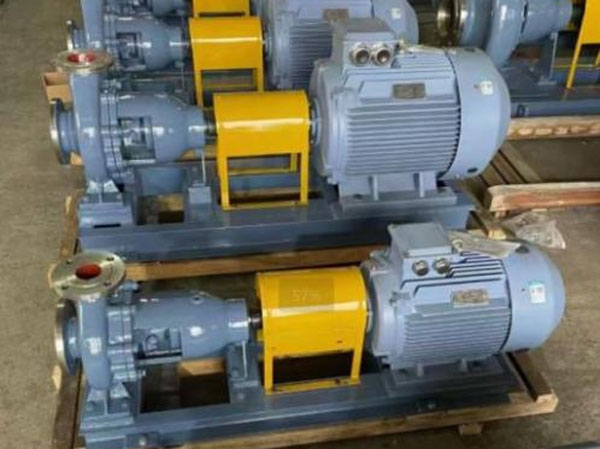
Operating in Zone 1 and Zone 2 areas requires reliable spark prevention. Our ATB TAW series brushless excitation synchronous motors and YWKK non-sparking induction designs provide high-capacity, low-speed drive solutions for massive gas compressors and product pumps.
Expert engineering insights answering technical and procurement queries from global buyers.
Using a low RPM motor allows you to drive the load directly or with fewer gear stages. This design increases overall drivetrain efficiency by eliminating the friction losses of a gearbox (typically 2% to 10% per stage). It also eliminates potential oil leaks, reduces mechanical backlash, lowers audible noise, and significantly extends the mean time between failures (MTBF).
For a given power rating, a motor designed for lower speeds (higher pole counts like 8P, 10P, or 12P) must generate significantly more torque to output the same horsepower or kilowatts, since Power = Torque × Speed. To handle this higher torque, the motor requires a larger frame, a thicker shaft, and more electromagnetic material (silicon steel laminations and copper windings). While the initial cost of the motor itself is higher, it is often offset by the savings of eliminating a high-ratio gearbox.
Low RPM motors often run with less airflow from shaft-mounted fans. The VPI process fills all internal voids within the stator slots with a solid, high-conductivity resin. This improves heat dissipation from the copper coils to the outer stator core and frame. Additionally, it protects the windings against moisture, vibration, and chemical ingress in slow-running, high-torque applications.
Yes, low RPM motors are ideal for VFD operation. Our YVF and BPY-S30 series are engineered with insulated bearings (to prevent damaging shaft currents) and force-ventilation options (independent cooling fans) to ensure thermal safety even when running at near-zero speeds under full rated torque.
DNV Type Approval certifies that the motor meets strict safety and design rules for maritime and offshore applications. The validation covers critical factors like corrosion-resistant coatings, moisture exclusion (typically IP56 or IP66), vibration resistance, and electrical safety under shipboard voltage fluctuations. This makes the motor suitable for essential marine services like steering gear, thrusters, and firefighting systems.
CNE uses heavy flameproof enclosures designed to contain internal gas explosions without igniting the surrounding hazardous atmosphere. Combined with tight flamepaths, rugged terminal box sealing, and strict quality controls verified by ATEX and IECEx, these designs ensure safe operation in petrochemical plants and coal mines.
Our NEMA-compliant motors undergo full type testing, including insulation resistance checks, load tests to verify nominal efficiency (in line with IEEE 112B testing standards), starting torque verification, and vibration level checks. This guarantees they meet both the performance and physical mounting requirements for North American equipment.
Through Shaanxi Nanfang Motor and the Wolong Group's global network, we coordinate shipping from our 39 production plants worldwide. We handle sea, rail, and air freight, and provide full export documentation (such as certificates of origin, inspection documents, and marine class certificates) to streamline logistics for large infrastructure projects.
Explosion-proof, high-voltage, and customized duty-cycle designs for advanced heavy industrial applications.
 NANFANG