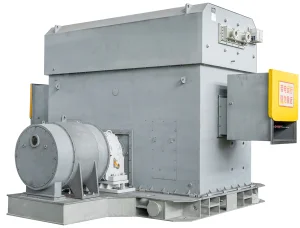
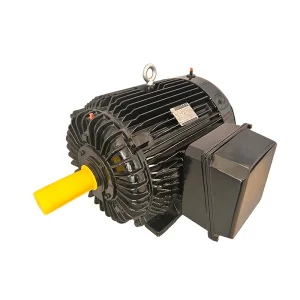
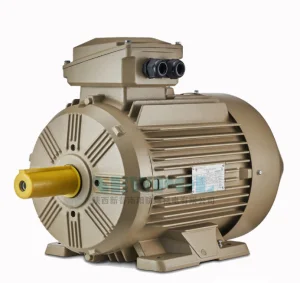
Explore our leading industrial line certified for high efficiency, explosive hazards, and harsh application requirements.
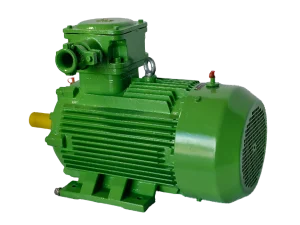
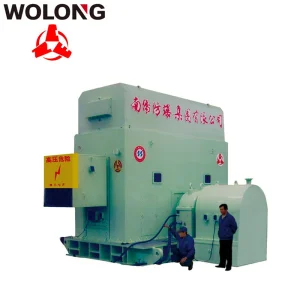
Evaluating industrial efficiency, regulatory roadmaps, and technical variables for modern powertrains.
In the contemporary industrial ecosystem, low voltage (LV) alternating current (AC) induction motors designed to International Electrotechnical Commission (IEC) standards serve as the core engines of global manufacturing. As industries face unprecedented regulatory and environmental pressures to decarbonize, energy efficiency has shifted from an operational cost-saving measure to a strategic imperative. Industrial motor systems account for approximately 70% of all electrical energy consumed by heavy industries, making motor efficiency optimization the single most impactful lever in reducing greenhouse gas emissions.
This whitepaper provides an in-depth analysis of low voltage IEC motors, exploring their design characteristics, thermodynamic structures, and deployment criteria in hazardous environments. It also addresses the complexities of global supply chain resilience, focusing on China's manufacturing ecosystems. This guide serves as an authoritative technical reference for plant engineers, procurement directors, and systems integrators seeking high-efficiency electric drive configurations.
Systemic Efficiency: Transitioning from IE3 to IE5 permanent magnet synchronous designs provides up to a 30% reduction in motor energy losses, improving total cost of ownership (TCO) across complex operating profiles.
Universal Safety: Explosion-proof low voltage motor designs require strict compliance with ATEX, IECEx, and regional certifications to maintain explosion containment integrity in Zone 1 and Zone 2 environments.
Authorized Distributor of Wolong Electric Drive Group Co., Ltd.
Founded in 1984 and listed on the Shanghai Stock Exchange in 2002 (code SH600580), Wolong Electric Drive Group has established itself as an international pioneer in motor and drive control technology. Through strategic global acquisitions and dedicated research, Wolong has built a robust network of 3 manufacturing bases, 39 factories, and 3 R&D centers worldwide.
Shaanxi Nanfang Motor Technology delivers Wolong's advanced industrial solutions directly to global markets. We combine high-end manufacturing with localized technical support, custom mechanical adaptations, and rigorous compliance validation, providing reliable motor solutions for demanding industrial environments.
A century of combined expertise, bringing together some of the world's most trusted names in rotating electrical machines.
To become a global leader in AC motors and drives, Wolong expanded its technical capabilities through strategic acquisitions of established European and global motor manufacturers. This integration unites century-old legacies of engineering excellence with modern digital manufacturing processes.

ATB Motor Group
Acquired in 2011, this leading European manufacturer includes specialized brands like Morley and Laurence Scott.

Brook Crompton
Renowned for its high-efficiency industrial motors and the robust "W" and "10" series designs.

Schorch Electric
Founded in 1882, Schorch specializes in heavy industrial drives for chemical, oil, gas, and power plants.
OLI Vibration
A global leader in vibration technology, partnered with Wolong to dominate processing and material handling markets.
The acquisition of 97.94% of the Austrian ATB Group in 2011 significantly expanded Wolong's international footprint. The group includes Morley, a brand with a 130-year history in underground coal mining. Morley is highly regarded in the global underground mining market and is recognized for its quality, power, and reliable designs. It specializes in high-specification, high-performance mine motors. Laurence Scott, another key ATB brand, pioneered high-reliability motors for British nuclear power plants and specialized low-starting-current equipment for naval propulsion and auxiliary generation systems.
Brook Crompton Motors brought over a century of electric motor design expertise to the group. Known for engineering energy-efficient options, Brook Crompton developed a comprehensive range of low, medium, and high-voltage AC motors, including customized variable-speed packages. In parallel, Schorch (acquired in 2011) has set industry standards since 1882. Schorch provides heavy-duty drive systems for international infrastructure projects, including water management, tunneling, steel processing, and petrochemical refining systems.
In 2015, Wolong integrated CNE (Nanyang Explosion-Proof Group Co., Ltd.), China’s largest research and production base for explosion-proof motors. This integration expanded the group's range of low-voltage and high-voltage flameproof motors for demanding environments. In 2018, Wolong acquired General Electric’s (GE) commercial and industrial motor division. Combining GE's experience in heavy-duty electric motor manufacturing with Wolong's scale created a robust, multi-brand platform capable of serving demanding oil and gas, processing, and marine applications globally.
Decades of manufacturing precision, R&D centers, and international quality control operations.
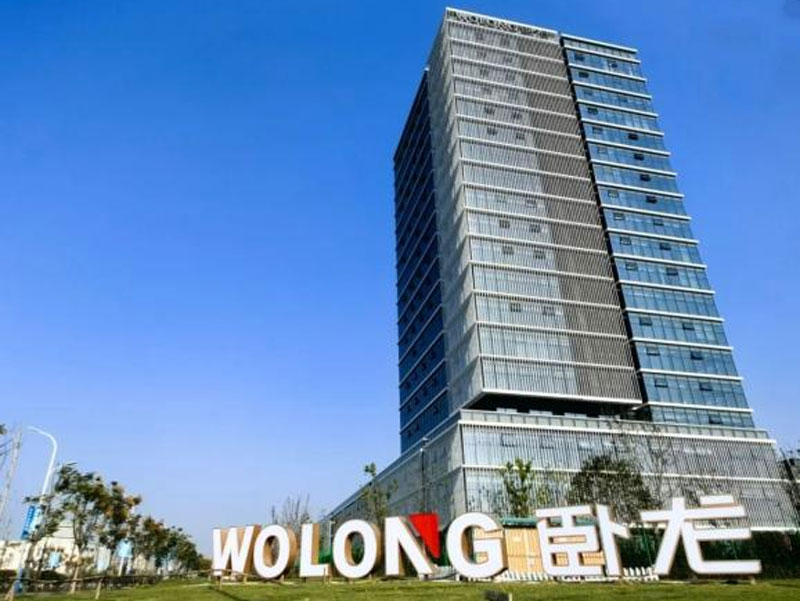

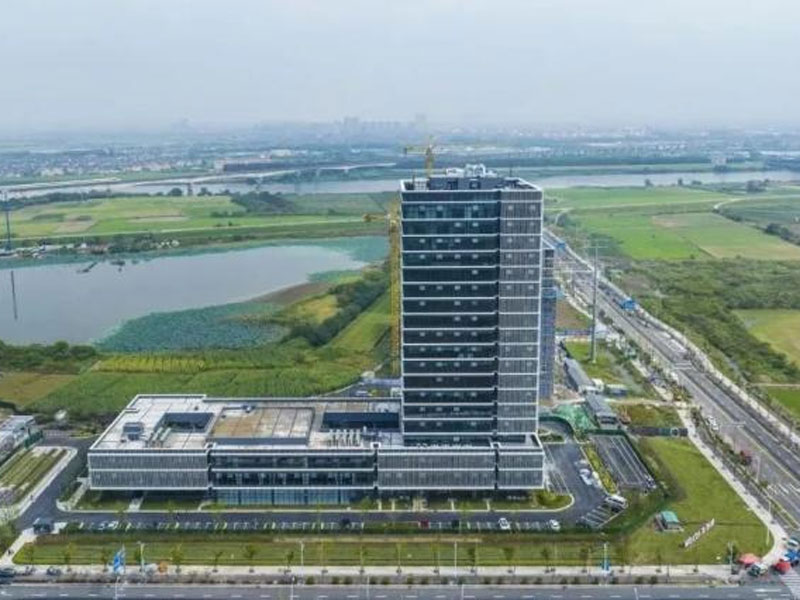
A detailed look at the component level of Wolong's high-efficiency low voltage IEC motor line.
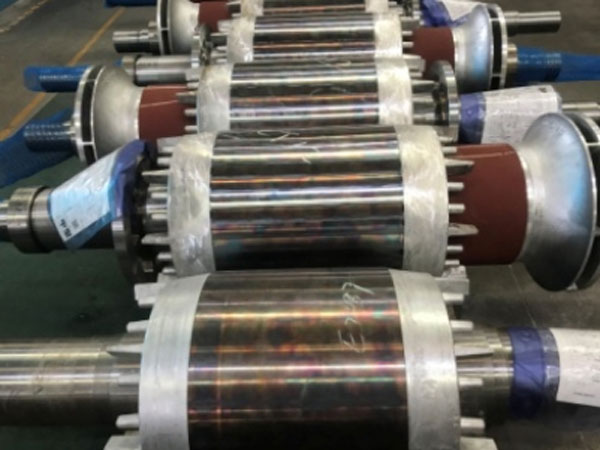
Our rotors use a classic squirrel-cage configuration, optimized for high starting torque and low slip profiles. For standard duties, cast aluminum rotors are manufactured using centrifugal casting or automated high-pressure die-casting. This process forces molten pure aluminum into the rotor core slots, creating a unified structure of rotor bars and end rings. This design minimizes rotor resistance, reduces parasitic rotor losses, and provides robust starting characteristics.
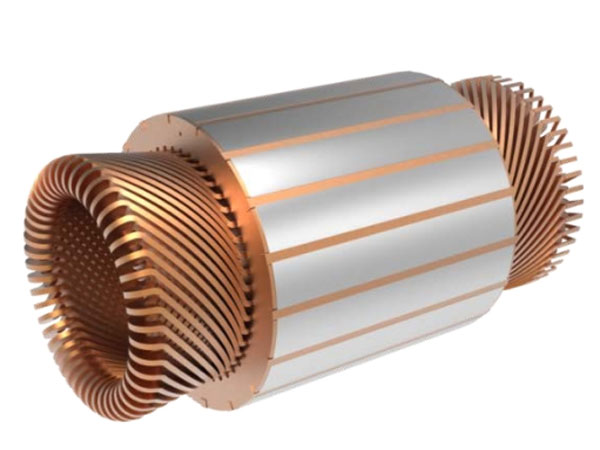
For high-capacity, high-duty-cycle applications, we use hand-fabricated copper bar rotors. Copper's superior conductivity reduces resistive losses within the rotor cage, increasing overall motor efficiency. The copper bars are mechanically secured within the slots and joined to the end rings using automated, inert-gas induction welding, ensuring stable operation under thermal stress and cyclic loads. High-speed configurations also include high-strength alloy retaining rings to protect the rotor cage against centrifugal deformation.
The stator core is built from thin, high-permeability, insulated silicon steel laminations. This construction reduces eddy current losses and hysteretic energy dissipation. Winding coils use high-grade double-insulated copper wire, insulated with polyester film and glass-fiber reinforcement. We use high-content mica tapes to ensure robust dielectric strength, even under thermal stresses up to Class H (180°C) limits.
The wound stator undergoes a Vacuum Pressure Impregnation (VPI) process. After preheating, the core is placed in a sealed chamber, evacuated to pull moisture and air from the winding structures, and then flooded with solventless epoxy resin under high pressure. This ensures complete resin penetration, eliminating internal voids. The resulting solid structure provides high mechanical strength, moisture resistance, thermal dissipation, and resistance to chemical corrosion.
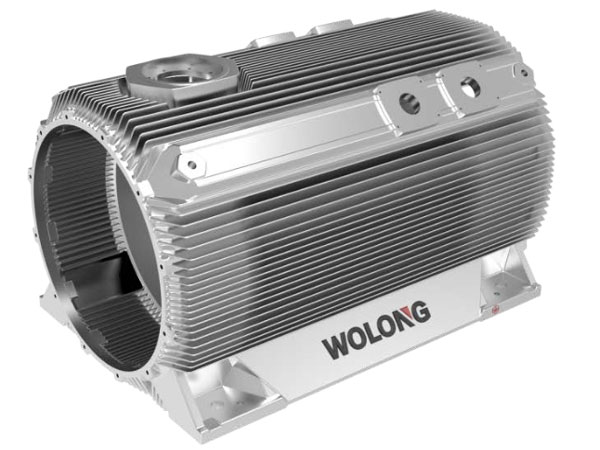
The motor enclosure is designed using structural and fluid-dynamic multi-physics digital simulations. Cast in high-strength grey cast iron (or structural steel for heavy-duty applications), the frames provide high structural rigidity. They are engineered with deep cooling fins that optimize airflow and maximize heat-dissipating surface area.
This design helps isolate internal natural frequencies from rotor frequencies, preventing resonance issues during operation. It also provides high resistance to external shocks, maintains low vibration levels (conforming to Grade A or Grade B limits per IEC 60034-14), and keeps thermal gradients low across the stator winding assemblies.
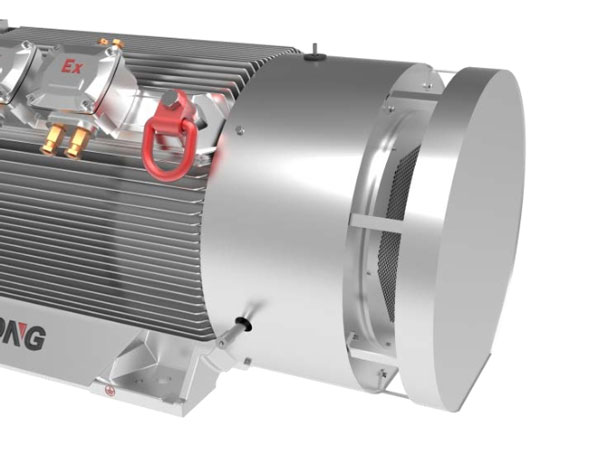
Traditional cooling fans can be a primary source of high-frequency noise. Our low-noise fan cover system integrates a balanced fan, an air guide cylinder, a protective inlet window, and sound-dampening acoustic plates. The fan's airfoil design generates high static pressure while reducing air turbulence and power consumption.
The side-inlet air configuration allows for tight installations against walls or bulkheads without blocking airflow. It incorporates sound-absorbing composite linings to damp high-frequency aerodynamic noise, meeting strict industrial noise standards. The enclosure meets IP22 protection rating requirements to prevent contact with rotating elements.
Inside our production facilities: from precision machining to quality control testing.
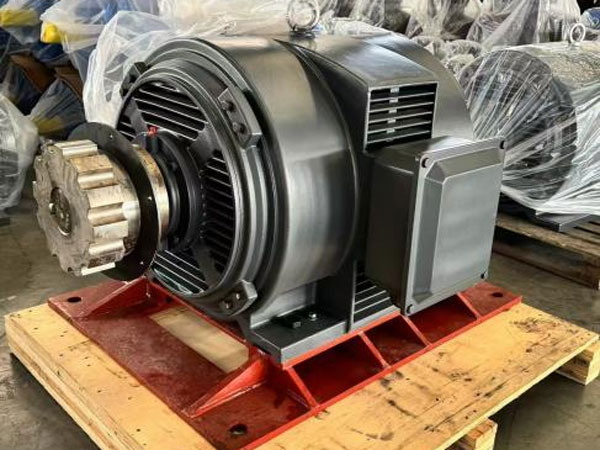
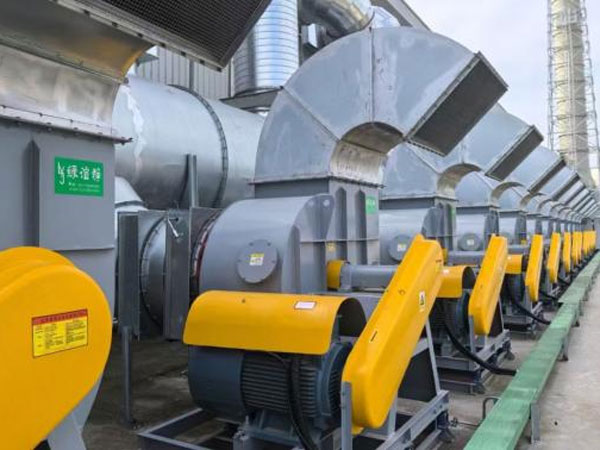
How low voltage IEC motors are configured to meet specific regional and environmental requirements.
Deployments in underground coal extraction require explosion-proof designs to protect against flammable methane gas and coal dust. The Morley and CNE YBK3 coal mine series are designed with robust flameproof enclosures (Ex d) to contain internal explosions. These motors are constructed with high-thickness cast-iron casings, double-row roller bearings for conveyor loads, and IP66 ingress protection to prevent dust and water intrusion.
Petrochemical installations are vulnerable to flammable gas leaks. Our YBX3, YBX5, and YBBP explosion-proof variable frequency motors are designed for Zone 1 and Zone 2 environments (ATEX Gas Group IIB/IIC). They feature anti-corrosion epoxies, insulated non-drive end bearings to block VFD shaft currents, and thermistors in the winding structures for precise temperature control.
Marine environments require protection against high humidity and salt spray. Our Laurence Scott and Brook Crompton motors are built to meet marine classification standards (such as DNV, ABS, and Lloyd’s Register). They feature IP56 protection, space heaters to prevent condensation during standby, and silicon-rich epoxy coatings to protect internal laminations from salt-air corrosion.
Our long-term R&D vision: moving beyond IE4 toward IE5 and integrated smart diagnostics.
As the international industry aligns with the Net-Zero carbon emissions framework, the technical roadmap for low voltage motors focuses on increasing efficiency. While IE3 is the current baseline in many regions, the industry is transitioning toward IE4 and IE5 standards. Our R&D focuses on several key areas:
Combining Wolong's global manufacturing footprint with Chinese supply chain integration.
We maintain a vertically integrated production ecosystem, from raw steel rolling and copper drawing to automated wire slotting, CNC frame machining, and custom final testing. This structure minimizes lead times and reduces supply chain risks.
Wolong’s global manufacturing footprint (spanning Europe, China, Vietnam, and North America) allows us to balance production loads and mitigate geopolitical risks, tariffs, and logistics constraints.
Our production facilities utilize automated testing fields that perform routine electric, insulation, vibration, and thermal tests on every motor. These processes comply with ISO 9001 and ISO 14001 quality management guidelines.
Our low voltage motors are certified to comply with international regulatory frameworks.
ATEX / Nemko
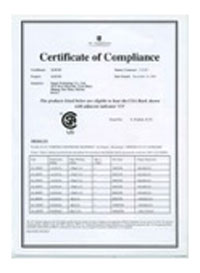
CSA Standard
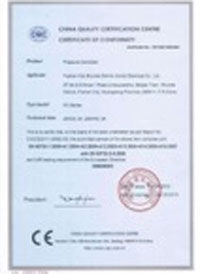
CE Compliance
CCC China
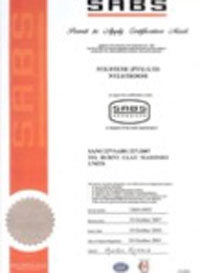
SABS South Africa
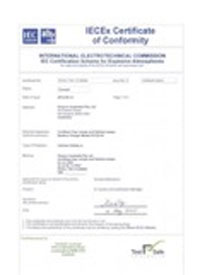
TestSafe Australia
Wolong has secured a wide range of product certifications, enabling it to serve international markets effectively:
Frequently asked technical questions regarding the operation and maintenance of low-voltage IEC motors.
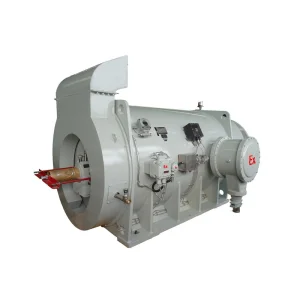
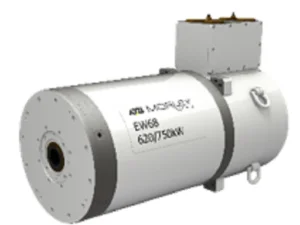
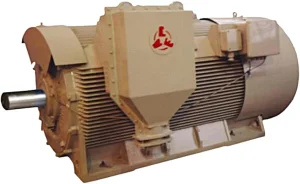
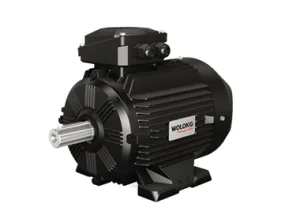
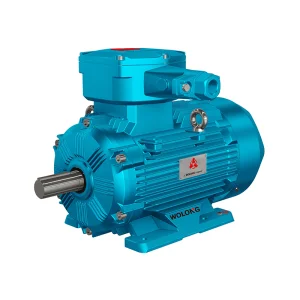
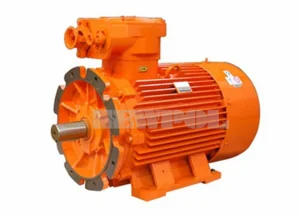
Our specialized range for variable speed, synchronous permanent magnet systems, and extreme-service mining operations.
 NANFANG